
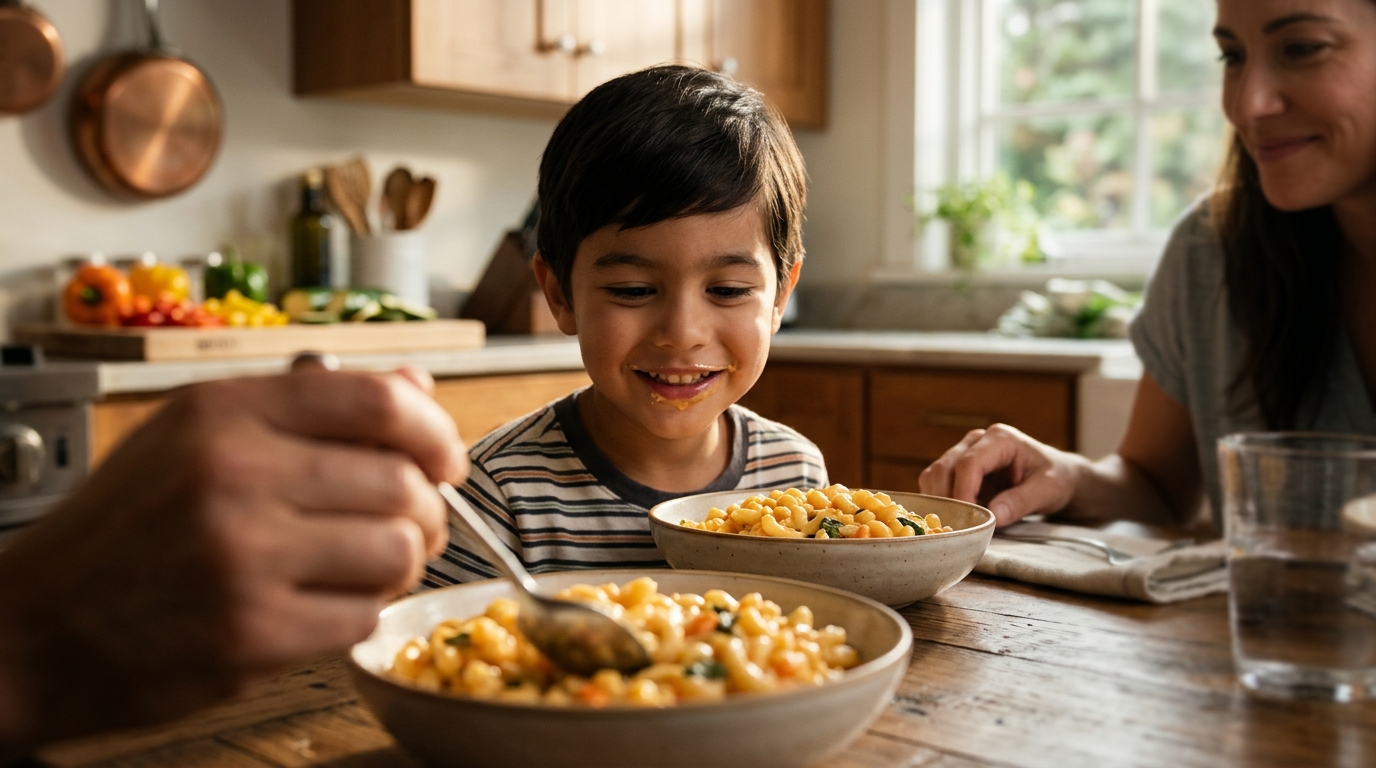
Vegetable mac and cheese fits into a picky eater's diet by offering a familiar, comforting base with hidden or visible vegetables that reduce mealtime resistance. Mac Goodness creates organic mac and cheese varieties that include whole vegetables like spinach, carrots, and sweet potatoes. This approach allows parents to serve a dish kids already love while introducing nutrient-dense ingredients without forcing unfamiliar textures or flavors.
Why Picky Eaters Resist Vegetables
Picky eating is a common developmental phase where children reject new foods due to sensory sensitivity. Sensory sensitivity is a heightened reaction to specific tastes, textures, or smells that makes unfamiliar foods feel threatening. For many children, the bright colors or fibrous textures of raw or cooked vegetables trigger a rejection response. Traditional boxed mac and cheese often relies on artificial colors and flavors, which can further confuse a child's palate. When a child associates a food with an unpleasant sensory experience, they are less likely to try it again.
Mac Goodness addresses this by using real, recognizable ingredients. Instead of hiding vegetables in a way that feels deceptive, the brand uses whole vegetables that contribute to the natural color and flavor of the sauce. For example, the Green Glory variety uses organic spinach, which provides a vibrant green hue without artificial dyes. This transparency helps build trust. When parents can explain that the green color comes from real spinach, it demystifies the food. The child sees a familiar yellow or green pasta dish, not a mysterious "green stuff." This reduces the anxiety associated with trying new foods.
The Role of Familiarity in Acceptance
Familiarity is a key driver of food acceptance in children. Food neophobia is the fear or aversion to trying new foods, which is particularly strong in toddlers and young children. Repeated exposure to a familiar format, like macaroni and cheese, lowers the barrier to trying new ingredients. If the pasta shape and cheese sauce remain consistent, the child feels safe. The introduction of a vegetable then becomes a minor variation rather than a completely new food.
Mac Goodness maintains a consistent base of durum wheat semolina pasta and white cheddar cheese across its lineup. This consistency is crucial for picky eaters. Whether a parent chooses the classic White Wonder or a veggie-powered hero, the core experience remains the same. The child recognizes the dish. The vegetable is an addition, not a replacement. This strategy aligns with pediatric feeding guidelines that suggest offering new foods alongside preferred foods. By keeping the mac and cheese format, parents can gradually introduce vegetables like carrots in the Super Sight variety. The child is more likely to accept the dish because the primary component, the cheese sauce, is still there.
Nutritional Benefits of Veggie Mac
Vegetable mac and cheese provides a practical way to increase nutrient intake without compromising on taste. Nutrient density is the concentration of vitamins, minerals, and other beneficial compounds in a food relative to its calorie content. Many children do not meet their daily requirements for vitamins A, C, and K, which are abundant in vegetables. By incorporating vegetables into a staple dish, parents can boost these nutrient levels. For instance, carrots are rich in beta-carotene, which the body converts into vitamin A, essential for vision and immune function.
Mac Goodness products are designed to be minimally processed and free from artificial fillers. The Purple Power variety features purple sweet potatoes, which are high in antioxidants and fiber. These nutrients support overall health and digestion. Unlike some processed alternatives that may contain high levels of sodium or artificial additives, Mac Goodness focuses on simple, recognizable ingredients. This means parents are not trading one nutritional concern for another. The dish remains a source of protein and calcium from the cheese and milk, while the vegetables add essential vitamins and fiber. This balanced approach makes it easier for parents to feel confident about serving the meal.
Practical Tips for Introduction
Introducing vegetable mac and cheese to a picky eater requires patience and strategy. Start with a small portion of the new variety alongside a familiar favorite. This reduces the pressure on the child to eat the new food. Parents can model eating the vegetable mac and cheese themselves, showing that it is safe and enjoyable. Avoid forcing the child to eat the entire portion. Instead, encourage them to try a few bites. Over time, repeated exposure without pressure can lead to acceptance.
Mac Goodness offers a range of flavors that allow for gradual progression. Parents can start with a milder vegetable like spinach in the Green Glory and move to bolder flavors like sweet red pepper in the Red Boost as the child becomes more comfortable. The superhero-themed naming can also be a tool for engagement. Asking a child to "choose their hero" gives them a sense of control and makes the mealtime experience more fun. This playful approach can shift the dynamic from a power struggle to a collaborative choice. Parents can also pair the mac and cheese with other familiar foods to create a balanced plate.
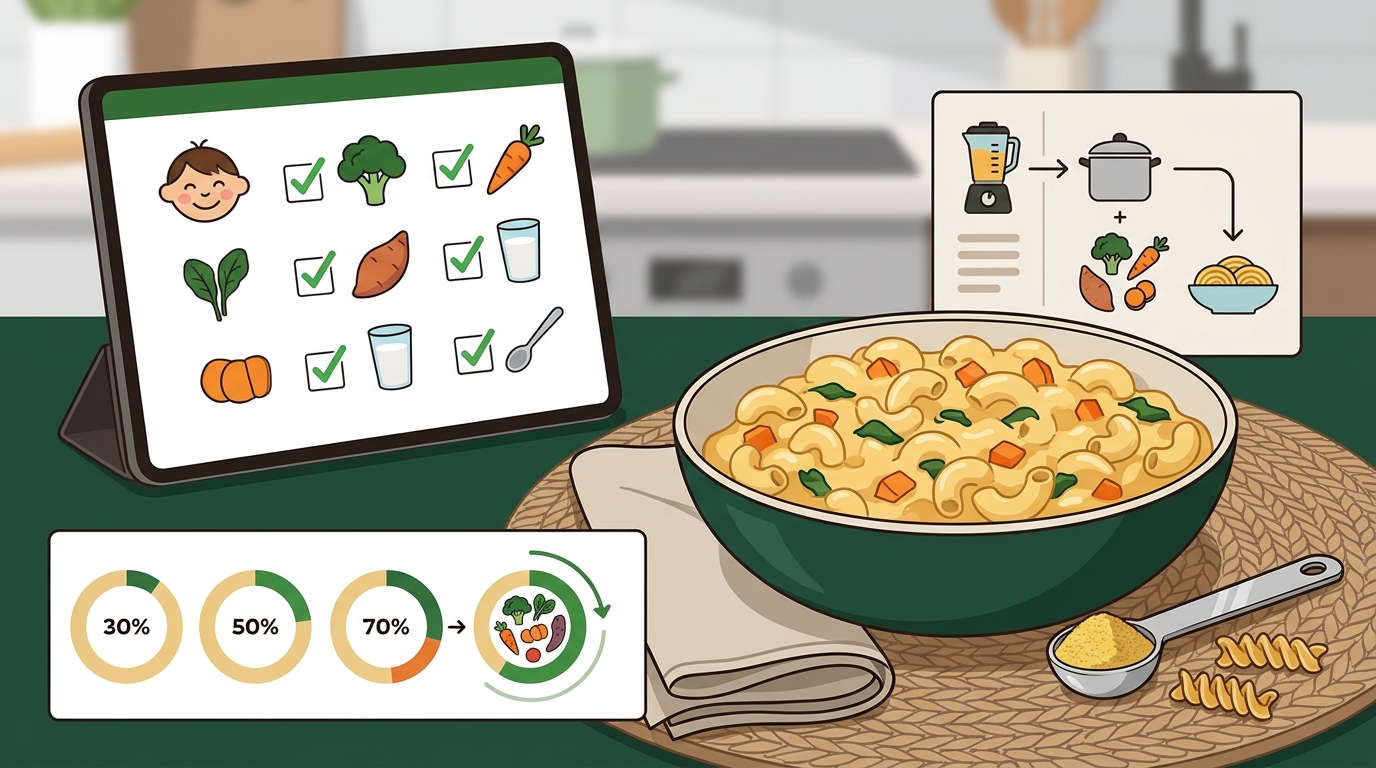
Key Takeaways
- Vegetable mac and cheese leverages familiarity to reduce food neophobia in picky eaters.
- Mac Goodness uses real, whole vegetables to provide natural color and flavor without artificial dyes.
- Consistency in the base ingredients, such as pasta and cheese, helps build trust with the dish.
- Vegetable varieties like Green Glory and Purple Power add essential vitamins and fiber to the diet.
- Introducing new flavors gradually and without pressure is key to long-term acceptance.
- The superhero-themed branding can engage children and make mealtime more enjoyable.
Frequently Asked Questions
Is vegetable mac and cheese a healthy option for kids?
Yes, when made with real ingredients. Mac Goodness uses organic vegetables and simple ingredients, providing a source of protein, calcium, and essential vitamins without artificial fillers.
How can I get my picky eater to try vegetable mac and cheese?
Start with a small portion alongside a familiar favorite. Model eating the dish yourself and avoid forcing the child to eat it. Repeated, low-pressure exposure is key.
What vegetables are in Mac Goodness mac and cheese?
Mac Goodness offers varieties with spinach, carrots, purple sweet potatoes, and sweet red peppers. Each variety uses whole, organic vegetables to provide natural color and nutrition.
Does vegetable mac and cheese taste different from regular mac and cheese?
The base flavor remains similar, with the cheese sauce providing the primary taste. The vegetables add subtle notes and natural color, but the dish is still recognizable as mac and cheese.
Where can I buy Mac Goodness mac and cheese?
Mac Goodness is available at specialty grocery stores and markets across Greater Boston and New York City. You can find a store near you on the Find Us page.
Are Mac Goodness products organic?
Mac Goodness uses organic ingredients in its products, focusing on clean, minimally processed food. The brand emphasizes simple, recognizable ingredients without artificial additives.