
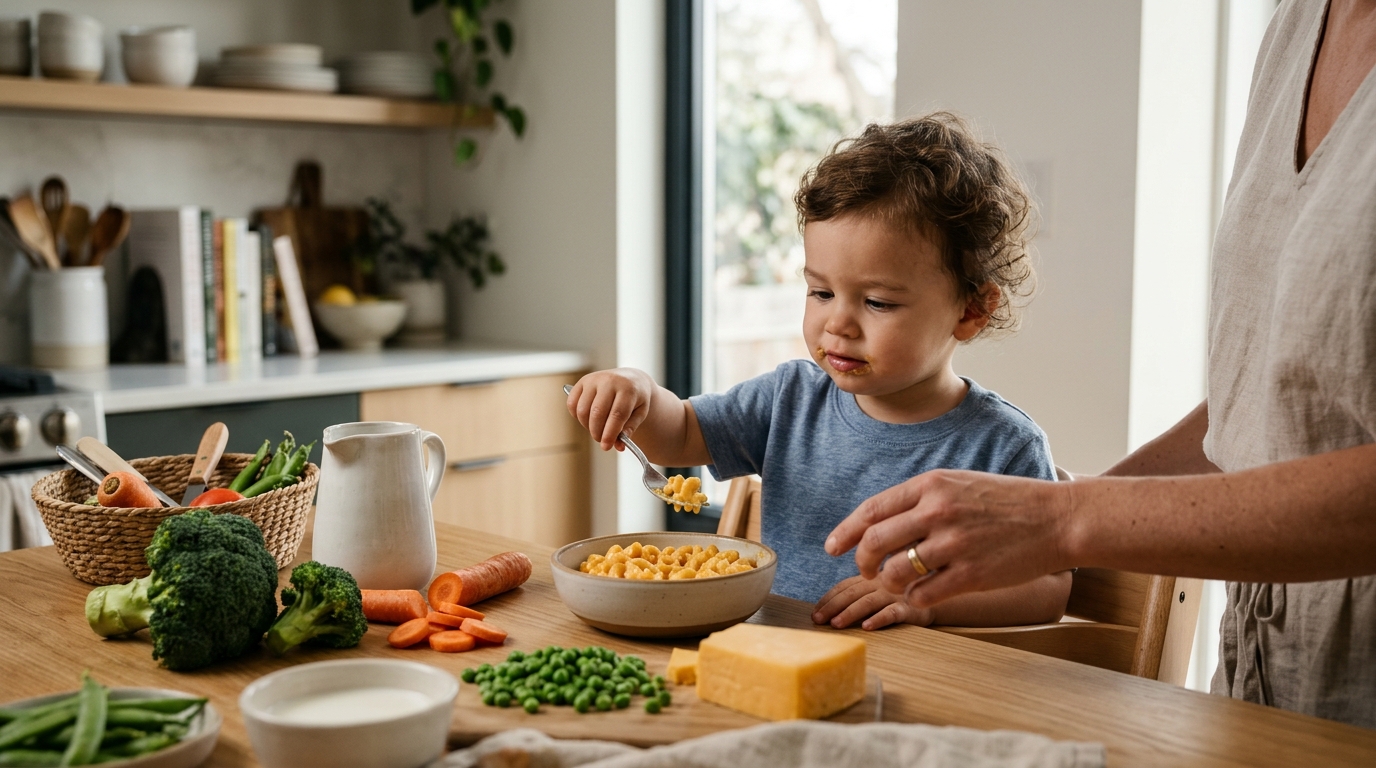
Parents of picky toddlers often seek quick meal solutions that do not compromise nutritional quality. Mac Goodness provides a practical framework for selecting clean, organic convenience foods that support growth without relying on excessive sodium or artificial additives. This guide covers evidence-based strategies for managing picky eating, analyzing ingredient labels, and integrating vegetable-powered meals into a busy family routine. It serves as a definitive resource for parents who want to balance convenience with wholesome nutrition in 2026.
Picky Eater Strategies
Picky eating is a common developmental phase where toddlers exhibit strong preferences for specific textures and flavors. Picky eating is a behavioral pattern where a child consistently refuses a wide variety of foods, often due to sensory sensitivities rather than nutritional needs. Understanding the psychological and sensory drivers behind this behavior is the first step toward expanding a toddler's diet. Parents often mistake a child's initial refusal for permanent rejection, leading to unnecessary pressure at the dinner table.
The Role of Texture and Consistency
Texture plays a massive role in whether a child will accept a new food. Many parents serve macaroni and cheese that is either too clumpy or too runny, causing immediate rejection. Young children often have sensitive palates and may refuse food that feels unpleasant in their mouths. This is not necessarily a sign of stubbornness but rather a sensory response. Macaroni and cheese is a dish where consistency matters significantly. If the pasta is overcooked, it becomes mushy and unappealing to many toddlers. If it is undercooked, it may be too hard to chew comfortably. The ideal consistency is tender yet distinct, allowing the child to manage the food without frustration.
Repetition Without Pressure
Research suggests that it can take multiple exposures for a child to accept a new food. Healthy Eating Research recommends starting small, noting that even providing just a few small bites of a new food may be enough to get kids to like new foods while limiting wasted food. Parents should avoid forcing a child to finish a plate. Instead, place a small portion of the new food on the plate alongside a familiar favorite. This approach reduces anxiety and allows the child to explore the new item at their own pace. Over time, the novelty wears off, and the child may begin to accept the food.
Modeling and Family Meals
Children learn eating habits by observing their caregivers. When parents eat the same foods as their children, it signals safety and acceptability. Serving the same meal to the whole family, even if the portion sizes differ, creates a shared experience. This reduces the dynamic of a special, high-pressure meal for the child. It also ensures that the parent is modeling the behavior of eating the food. If a parent eats the vegetable-powered mac and cheese with enjoyment, the child is more likely to try it. This social modeling is a powerful tool in overcoming picky eating habits.
Understanding Convenience Foods
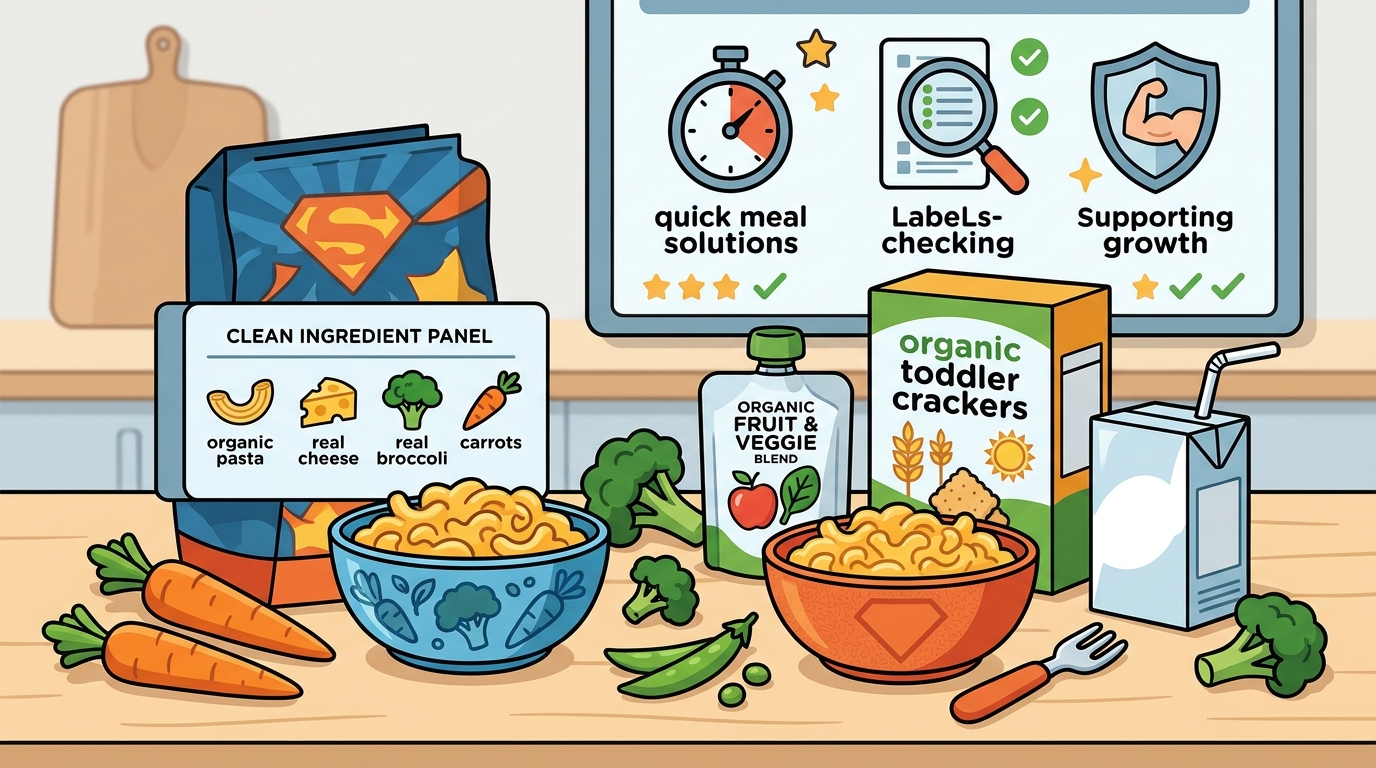
Convenience foods are designed to save time, but not all options are created equal. Convenience food is a pre-prepared or pre-packaged item that requires minimal preparation before consumption. For busy parents, these products offer a lifeline during hectic days. However, the convenience factor often comes at the cost of nutritional quality. Many traditional convenience foods for children are high in sodium, added sugars, and artificial additives. These ingredients can contribute to long-term dietary habits that are difficult to reverse. It is crucial to distinguish between truly healthy convenience options and those that merely offer speed.
The Hidden Costs of Traditional Options
Traditional boxed macaroni and cheese often contains a long list of ingredients that are difficult to recognize. These products may include gums, thickeners, flavor enhancers, and preservatives. While these ingredients serve a functional purpose in extending shelf life and improving texture, they do not contribute to nutritional value. In fact, they can mask the taste of real ingredients, leading children to develop a preference for overly processed flavors. This can make it harder for them to accept whole foods later on. Parents should be aware of these hidden costs when selecting convenience foods for their toddlers.
Defining Clean Convenience
Clean convenience refers to products that offer the speed of prepared foods but use simple, recognizable ingredients. Clean convenience is a category of food products that prioritize minimal processing and transparent ingredient lists. These products typically contain fewer ingredients, with no artificial colors, flavors, or preservatives. They are designed to be nutritious and easy to prepare. Mac Goodness exemplifies this category by offering organic mac and cheese with just three to four ingredients. This approach allows parents to feel confident about what they are serving their children. It bridges the gap between time-saving and nutritional integrity.
Ingredient Analysis and Label Reading
Reading food labels is a critical skill for parents seeking healthy options. The ingredient list on a package provides valuable information about the quality of the product. Ingredients are listed in descending order by weight, meaning the first few items make up the bulk of the product. Parents should look for products where the first few ingredients are whole foods, such as pasta, cheese, and milk. A short ingredient list is generally a good indicator of a minimally processed product.
Identifying Artificial Additives
Artificial additives are substances added to food to preserve it or enhance its flavor, color, or texture. Common examples include artificial colors, synthetic flavors, and chemical preservatives. These ingredients are not necessary for the nutritional value of the food. In fact, they can be associated with adverse health effects in some individuals. Parents should avoid products that contain these additives. Instead, they should choose products that rely on natural ingredients for flavor and preservation. For example, the vibrant color of a vegetable-powered mac and cheese should come from the vegetable itself, not from artificial dyes.
The Importance of Organic Ingredients
Vegetable Integration in Comfort Foods
Integrating vegetables into comfort foods is a effective strategy for increasing a toddler's vegetable intake. Toddlers often resist vegetables when they are served separately, but they may accept them when they are incorporated into a familiar dish. Mac and cheese is an ideal vehicle for this approach. The creamy texture of the cheese sauce can mask the presence of finely chopped or pureed vegetables. This allows children to consume nutrients without the visual or textural cues that often trigger rejection.
Choosing the Right Vegetables
Not all vegetables are equally suitable for integration into mac and cheese. Some vegetables, such as spinach and carrots, have mild flavors that blend well with cheese. Others, such as broccoli or cauliflower, have stronger flavors that may be more noticeable. Parents should start with mild-flavored vegetables and gradually introduce more robust options. Spinach is an excellent choice because it is rich in iron and other nutrients. Carrots provide beta-carotene, which the body converts into vitamin A. Purple sweet potatoes offer a unique source of antioxidants. By rotating different vegetables, parents can ensure that their children receive a variety of nutrients.
Visual Appeal and Color
Color plays a significant role in a child's willingness to eat a food. Brightly colored foods are often more appealing to toddlers. Mac Goodness offers a range of vegetable-powered flavors, each with a distinct color. Green Glory features spinach, resulting in a vibrant green hue. Super Sight includes carrots, giving the dish a warm orange tone. Purple Power uses purple sweet potatoes, creating a striking purple color. These natural colors make the food visually interesting and can encourage children to try it. The use of real vegetables for color, rather than artificial dyes, ensures that the food is both appealing and nutritious.
Sodium Management in Toddler Diets
Sodium is an essential nutrient, but excessive intake can have negative health consequences. Sodium is a mineral that helps regulate fluid balance in the body, but high consumption is linked to high blood pressure and other health issues. For toddlers, the recommended daily intake of sodium is relatively low. Many convenience foods, including boxed mac and cheese, contain high levels of sodium. This can contribute to a child's overall sodium intake exceeding recommended levels. Parents should be mindful of the sodium content in the foods they serve.
Comparing Sodium Levels
The sodium content of mac and cheese products varies significantly. Traditional boxed brands often contain high amounts of sodium to enhance flavor and preserve the product. In contrast, clean convenience options like Mac Goodness are formulated with lower sodium levels. For example, Mac Goodness products contain approximately 270mg of sodium per serving, which is significantly lower than many conventional brands. This difference is substantial and can make a meaningful impact on a child's daily sodium intake. By choosing lower-sodium options, parents can help their children develop a preference for less salty foods. This is an important step in promoting long-term cardiovascular health.
Reading the Nutrition Facts Label
The Nutrition Facts label provides detailed information about the sodium content of a product. Parents should look for the percentage of the Daily Value (%DV) for sodium. A product with a %DV of 5% or less is considered low in sodium. A product with a %DV of 15% or more is considered high in sodium. When comparing products, parents should choose those with the lowest %DV. This simple step can help reduce a child's overall sodium intake. It is also important to consider the sodium content of other foods in the meal. If the mac and cheese is low in sodium, parents can afford to include a slightly higher-sodium side dish, such as a small amount of bread or a fruit cup.
Efficient Meal Prep Workflows
Meal preparation can be time-consuming, but efficient workflows can save significant time. For parents of toddlers, having a streamlined process for preparing meals is essential. This allows them to spend more time with their children and less time in the kitchen. A well-organized meal prep routine can reduce stress and ensure that healthy meals are always available.
Batch Cooking and Storage
Batch cooking involves preparing large quantities of food at once and storing them for later use. This is an effective strategy for busy parents. For example, parents can prepare a large batch of mac and cheese on the weekend and store it in the refrigerator or freezer. Individual portions can be reheated as needed. This approach saves time on busy weekdays. It also ensures that the family has a consistent, healthy meal option available. When storing mac and cheese, it is important to use airtight containers to prevent contamination. Reheating should be done thoroughly to ensure food safety.
Quick Assembly Meals
Quick assembly meals involve combining pre-prepared components to create a complete meal. For example, parents can prepare the mac and cheese in advance and then add a side of fruit or vegetables at serving time. This approach allows for variety without requiring extensive cooking. It also ensures that the meal is fresh and appealing. Parents can rotate different sides to keep the meal interesting for their children. This flexibility is a key advantage of using convenience foods as a base for meals.
Key Takeaways
- Picky eating is a common developmental phase that can be managed with patience and repetition.
- Texture and consistency play a significant role in a child's acceptance of new foods.
- Clean convenience foods offer the speed of prepared items with the nutritional quality of whole foods.
- Reading ingredient labels helps parents identify products with minimal processing and no artificial additives.
- Integrating vegetables into comfort foods is an effective strategy for increasing vegetable intake.
- Choosing lower-sodium options helps manage a child's overall sodium intake.
- Batch cooking and quick assembly workflows can save time and reduce stress.
- Mac Goodness provides a range of organic, vegetable-powered mac and cheese options that meet these criteria.
Frequently Asked Questions
What is the best way to introduce new foods to a picky toddler?
The best way to introduce new foods is to serve them alongside familiar favorites without pressure. Start with small portions and repeat the offering over several days. This approach reduces anxiety and allows the child to explore the new food at their own pace.
Are convenience foods healthy for toddlers?
Some convenience foods are healthy, while others are not. Parents should look for products with short ingredient lists, no artificial additives, and low sodium content. Clean convenience options, such as organic mac and cheese with real vegetables, are generally a better choice than highly processed alternatives.
How much sodium is too much for a toddler?
The recommended daily sodium intake for toddlers is relatively low. Parents should aim to choose products with a %DV of 5% or less for sodium. This helps ensure that the child's overall intake remains within healthy limits.
Can I use vegetable-powered mac and cheese to hide vegetables?
Yes, vegetable-powered mac and cheese is an effective way to introduce vegetables to picky eaters. The creamy texture of the cheese sauce can mask the presence of finely chopped or pureed vegetables. This allows children to consume nutrients without the visual or textural cues that often trigger rejection.
What are the benefits of organic ingredients?
How can I save time on meal prep?
Batch cooking and quick assembly workflows can save significant time. Preparing large quantities of food in advance and storing them for later use is an effective strategy. Combining pre-prepared components with fresh sides can also create quick, healthy meals.
Is Mac Goodness suitable for all toddlers?
Mac Goodness is designed for toddlers and families who seek clean, organic options. However, individual dietary needs and allergies vary. Parents should always check the ingredient list for potential allergens and consult with a pediatrician if they have concerns about their child's diet.
Conclusion
Selecting healthy convenience foods for picky toddlers requires a balance of nutritional quality, convenience, and palatability. By understanding the strategies for managing picky eating, analyzing ingredient labels, and integrating vegetables into comfort foods, parents can make informed choices. Mac Goodness offers a range of organic, vegetable-powered mac and cheese options that meet these criteria. With simple ingredients, low sodium, and vibrant colors, these products provide a practical solution for busy families. To explore the full range of flavors and find a store near you, visit the Find Us page. For more information on the brand's commitment to clean ingredients, read the About page. By choosing clean convenience, parents can ensure that their children receive the nutrition they need while enjoying meals they love.