
Common Mistakes Parents Make When Choosing Healthy Convenience Foods for Picky Toddlers
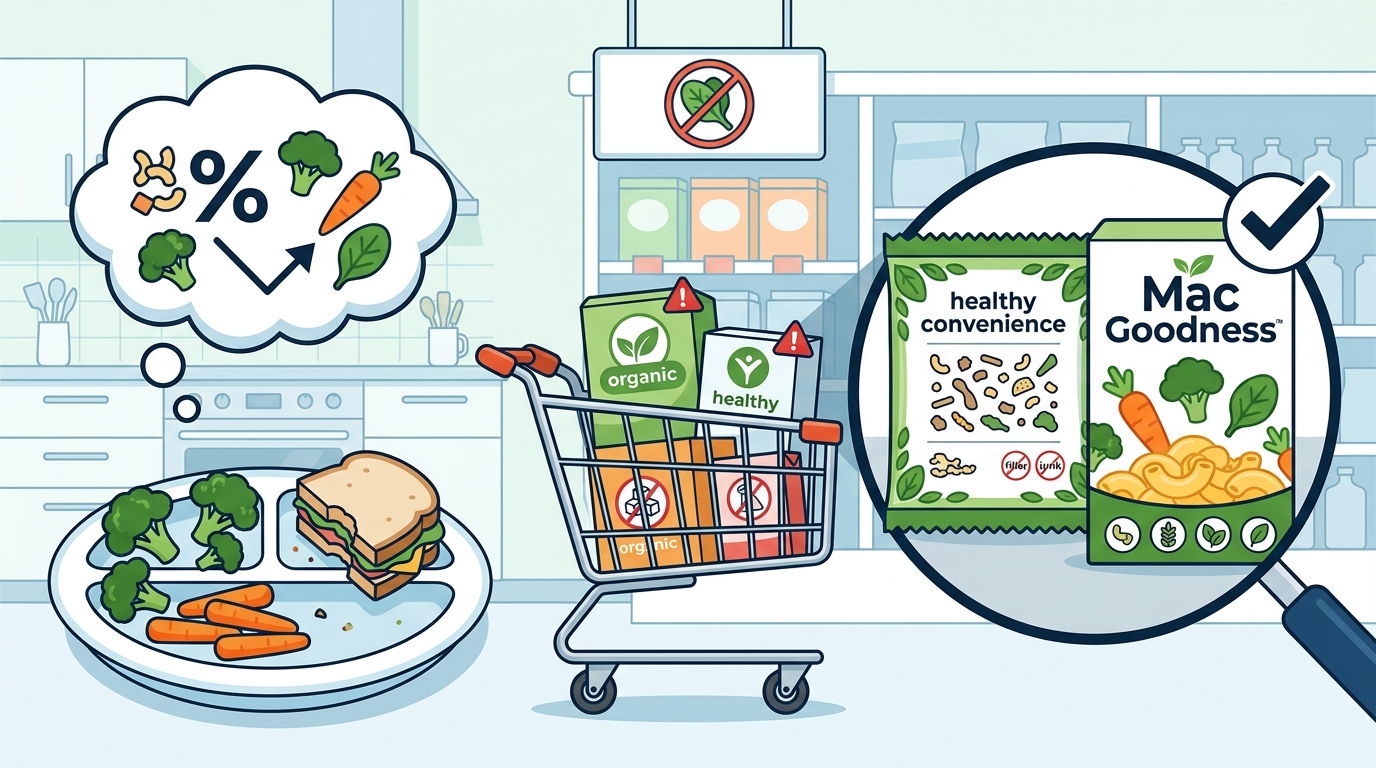
Choosing the right food for a toddler who refuses to eat vegetables is one of the most stressful daily challenges for modern parents. Recent data indicates that nearly 60 percent of children under the age of five do not consume enough fruits and vegetables to meet basic nutritional requirements. This statistic highlights a critical gap in early childhood nutrition that convenience foods are often marketed to fill. However, the aisle labeled "healthy" or "organic" is filled with traps that can undermine your efforts to build healthy eating habits. Understanding these pitfalls is essential for ensuring your child gets the fuel they need without sacrificing long-term dietary health.
Mistake 1: Falling for the "Organic" Halo Effect
One of the most pervasive errors parents make is assuming that the word "organic" on a label automatically equates to nutritional superiority. While organic certification guarantees that ingredients were grown without synthetic pesticides or fertilizers, it does not regulate the nutritional profile of the final product. A mac and cheese box might be entirely organic, yet still contain high levels of refined carbohydrates and minimal protein. This is what experts call the organic halo effect, where the perception of healthiness distracts from the actual macronutrient content.
When evaluating convenience foods, look beyond the front-of-package marketing. The ingredient list is the only true indicator of what your toddler is consuming. If the first ingredient is enriched pasta or white rice flour, the organic status of the cheese powder is secondary. You need to focus on the density of the nutrients rather than the farming method of the ingredients. For a deeper understanding of how to read labels effectively, consider resources from the American Academy of Pediatrics on deciphering nutrition facts.
Mistake 2: Ignoring the Sodium Trap in Comfort Foods
Comfort foods like macaroni and cheese are naturally high in sodium, but many popular brands push these levels to concerning heights to enhance flavor and preservation. Toddlers have smaller body masses and less developed kidneys, making them significantly more sensitive to excess salt intake. A single serving of a conventional boxed mac and cheese can contain upwards of 500 milligrams of sodium, which is a substantial portion of their daily limit. This high sodium content can also condition a child's palate to prefer overly salty foods, making natural, less processed options seem bland by comparison.
Choosing lower-sodium alternatives is a critical step in protecting your child's long-term health. Brands that prioritize clean ingredients often reduce sodium by half or more without sacrificing taste. For instance, Mac Goodness offers a comparison showing how their products contain significantly less sodium than major competitors. By selecting options with transparent sodium levels, you avoid the hidden health risks associated with processed comfort foods.
Mistake 3: Overlooking Hidden Fillers and Gums
Many convenience foods rely on thickeners, gums, and artificial stabilizers to create the creamy texture that toddlers love. Ingredients like xanthan gum, guar gum, and modified food starch are common in both conventional and some "natural" brands. While these additives are generally recognized as safe, they serve no nutritional purpose and can sometimes cause digestive discomfort in sensitive young stomachs. The presence of these fillers often indicates a reliance on processed cheese powders rather than real, melted cheese.
A true definition of clean eating for toddlers is the absence of unnecessary additives. Clean ingredients are those that you can recognize and pronounce, providing actual nourishment rather than just texture. When you choose products that use real vegetables and real cheese, you eliminate the need for these chemical fillers. This approach aligns with the philosophy of Mac Goodness, which emphasizes that real food should do the heavy lifting without the need for artificial enhancements.
Mistake 4: Prioritizing Taste Over Nutrient Density
Parents often select foods based solely on whether their child will eat them, ignoring the nutritional value entirely. While it is understandable to want a peaceful dinner, consistently choosing high-sugar or high-carb options that lack protein and fiber can lead to energy crashes and poor eating habits. Nutrient density refers to the amount of vitamins, minerals, and other beneficial substances contained in a number of calories. A food that is high in calories but low in nutrients is essentially empty fuel for a growing body.
To balance taste and nutrition, look for convenience foods that incorporate hidden vegetables or superfoods. For example, a mac and cheese made with purple sweet potato or spinach provides essential vitamins like Vitamin A and iron while maintaining the creamy texture toddlers enjoy. This strategy ensures that every bite contributes to their overall health rather than just filling their stomach. Research from the National Institutes of Health supports the idea that early exposure to diverse flavors and textures can improve long-term dietary acceptance.
Mistake 5: Relying Solely on Processed Alternatives
Another common mistake is treating convenience foods as a complete substitute for home-cooked meals. While these products are designed to save time, they should not replace the opportunity to teach children about whole foods. Over-reliance on packaged meals can limit a child's exposure to different textures and natural flavors. It is important to view these products as a tool for bridging the gap between home cooking and the demands of a busy schedule, not as a permanent dietary staple.
Strategic use of high-quality convenience foods can support your parenting goals without compromising nutrition. By choosing brands that align with your values, you can maintain control over what enters your child's body. For more information on balancing convenience with nutrition, you can explore MyPlate guidelines for toddlers provided by the USDA.
Comparison of Popular Mac & Cheese Options
Understanding the differences between brands is crucial for making informed decisions. The table below summarizes key nutritional and ingredient differences between leading convenience mac and cheese options.
| Brand | Primary Ingredients | Sodium per Serving | Fillers/Additives | Organic Status |
|---|---|---|---|---|
| Mac Goodness | Real Cheese, Organic Veggies | 270mg | None | 100% Organic |
| Annie's Homegrown | Cheddar Cheese, Rice Flour | 540mg | Some | Partially Organic |
| Goodles | Chickpea Flour, Whey Protein | 590mg | Some | Non-GMO |
Key Takeaways
- Organic is not a nutrient: Always check the ingredient list for protein and fiber content, not just organic certification.
- Sodium matters: Toddlers are sensitive to salt; choose options with less than 300mg per serving when possible.
- Avoid fillers: Look for products free from gums, thickeners, and artificial flavors to ensure digestive comfort.
- Nutrient density: Prioritize foods that offer vitamins and minerals, such as those with hidden vegetable purees.
- Brand transparency: Companies like Mac Goodness provide clear comparisons to help parents make better choices.
- Balance is key: Use convenience foods as a supplement to, not a replacement for, whole food meals.
- Palate training: Introducing healthier versions of comfort foods early can shape lifelong eating habits.
Frequently Asked Questions
What is the best way to introduce vegetables to picky toddlers?
Blending vegetables into familiar comfort foods, such as mixing spinach into mac and cheese, is an effective strategy. This method masks the texture while introducing the flavor gradually, helping children accept the nutrients without resistance.
Are organic mac and cheeses always healthier?
No. Organic certification refers to farming practices, not nutritional value. Some organic brands still contain high sodium or low nutrient density. Always review the nutrition facts panel alongside the organic label.
How much sodium is safe for a toddler?
The American Heart Association suggests that toddlers aged one to three should have less than 1,000 milligrams of sodium per day. Therefore, a single serving of convenience food should ideally contain no more than 300 to 400 milligrams to leave room for other meals.
What are the most common fillers to avoid in toddler food?
Common fillers include xanthan gum, guar gum, modified food starch, and artificial colors. These ingredients are used to enhance texture and appearance but offer no nutritional benefit and may cause digestive issues in sensitive children.
Can convenience foods support a balanced diet?
Yes, when chosen carefully. High-quality convenience foods that use real ingredients and minimal processing can provide essential nutrients and save time, allowing parents to focus on other aspects of their child's development.
Why do some organic brands have high sodium levels?
Sodium is often used as a preservative and flavor enhancer. Even in organic products, manufacturers may add salt to extend shelf life and improve taste, which is why comparing specific sodium counts is vital.
How can I tell if a mac and cheese uses real cheese?
Check the ingredient list for "real white cheddar" or "real cheese" as the primary dairy ingredient. Avoid products that list "cheese powder" or "cheese sauce" as the first item, as these often contain additives and lower-quality dairy components.
Start Making Better Choices Today
Choosing healthy convenience foods for picky toddlers does not have to be a guessing game. By avoiding common mistakes like falling for marketing traps and ignoring sodium levels, you can ensure your child receives the nutrition they need. Explore the full range of clean, organic mac and cheese options designed to support your family's health goals. Visit Mac Goodness to discover how simple, honest ingredients can make mealtime easier and healthier for everyone.