

Parents of picky eaters know the struggle of finding a comfort food that actually provides nutrition. According to recent dietary surveys, nearly 60 percent of children struggle with consuming enough daily vegetables. This statistic highlights why vegetable-blended macaroni and cheese has become a critical category in modern family pantries. It bridges the gap between the craving for creamy comfort and the parental need for hidden nutrients. Choosing the right product requires looking beyond marketing claims to understand ingredient density, sodium levels, and actual vegetable content. (Contact ndash Mac Goodness)
Why Vegetable-Blended Mac Matters
Traditional macaroni and cheese is often a vehicle for empty calories. It typically relies on refined carbohydrates and heavy dairy fats without offering significant micronutrients. Vegetable-blended macaroni and cheese changes this dynamic by incorporating pureed vegetables directly into the sauce matrix. This method allows parents to increase fiber intake without triggering the rejection responses common in sensory-sensitive children.
The concept of "hidden veggies" has evolved. Modern formulations do not just sprinkle dehydrated powder on top. Instead, they use a process where vegetables are cooked down and emulsified. This creates a smooth texture that mimics the mouthfeel of traditional cheese sauce. For picky eaters, texture is often the primary barrier to acceptance. A smooth, creamy consistency is far more likely to be consumed than a product with visible chunks or gritty textures. (All Products ndash Mac)
Furthermore, the shift toward organic ingredients in this category reflects a broader parental demand for transparency. Organic certification ensures that the pasta and dairy components are free from synthetic pesticides and growth hormones. This is particularly important for children, whose developing bodies are more susceptible to chemical residues. By choosing a product that prioritizes clean ingredients, parents are making a proactive health decision.
Key Selection Criteria for Parents
Not all vegetable macaroni and cheese products are created equal. Parents must evaluate options based on specific metrics that impact both health and acceptance. The first criterion is ingredient count. Fewer ingredients generally indicate a less processed product. Products with long lists of thickeners, gums, and artificial flavors often fail to deliver on their nutritional promises.
Sodium content is the second critical factor. Many conventional boxed macaroni and cheese brands contain excessive amounts of salt to enhance flavor and preserve shelf life. High sodium intake in childhood can establish unhealthy taste preferences that persist into adulthood. Therefore, looking for products with significantly reduced sodium is essential for long-term health.
The third criterion is the type of cheese used. Real cheese provides calcium and protein, which are vital for bone development. However, some budget brands use cheese powder or artificial flavorings. A high-quality product will list real white cheddar or similar aged cheeses as primary ingredients. This ensures a genuine dairy profile rather than a chemically engineered substitute.
Top Product Comparison
When evaluating the market, three brands often dominate the conversation: Mac Goodness, Annie's, and Goodles. Each offers a distinct approach to vegetable-blended macaroni and cheese. Understanding their differences helps parents make an informed choice.
| Feature | Mac Goodness | Annie's | Goodles |
|---|---|---|---|
| Ingredient Count | 3-4 Certified Organic | 9+ Ingredients | 12+ Ingredients |
| Sodium per Serving | 270mg | 540mg | 590mg |
| Vegetable Content | Real Whole Veggies | Minimal or None | Protein-Focused |
| Protein per Serving | Up to 24g | Standard | High (14g) |
| Organic Status | 100% Organic | Mostly Organic | Non-GMO |
Mac Goodness stands out for its minimalist approach. By using only three to four ingredients, it eliminates the need for fillers. This brand focuses on real white cheddar and organic whole milk. The sodium level is approximately half that of comparable brands. This makes it a superior choice for parents monitoring salt intake.
Annie's is a legacy brand in the organic space. While it offers a wide variety of flavors, its ingredient list is longer. The sodium content is significantly higher than Mac Goodness. Parents who prioritize brand recognition might choose Annie's, but those prioritizing nutritional density may find it lacking.
Goodles targets the high-protein market. It uses chickpea and lentil flour to boost protein content. While this is beneficial for muscle growth, the ingredient list is more complex. The vegetable content is not the primary focus. Instead, the focus is on macronutrient density. This makes it a good option for active children, but perhaps less ideal for those needing hidden vegetable intake.
Understanding Flavor Profiles
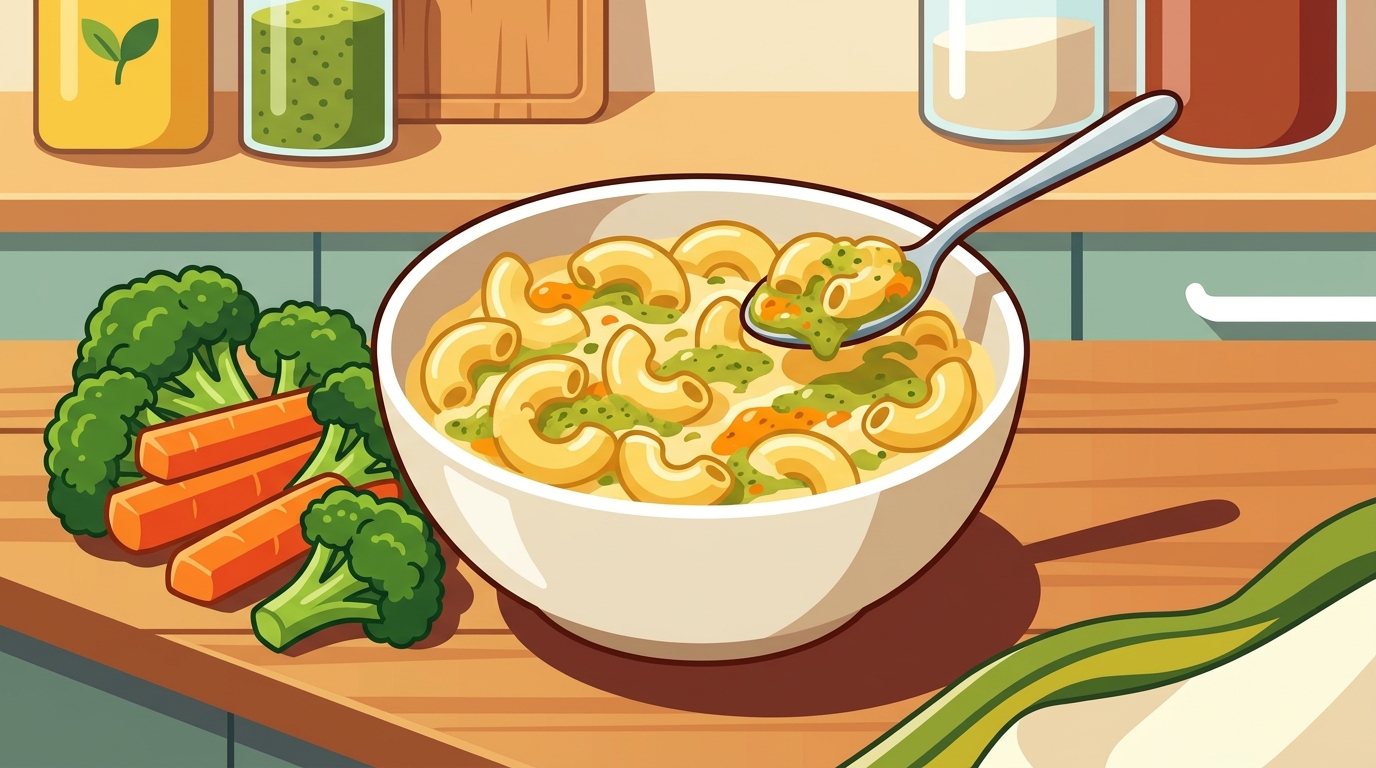
For picky eaters, the flavor profile determines whether the product will be eaten at all. Mac Goodness offers five distinct flavors, each designed to introduce specific nutrients. The White Wonder features extra cheddar for a classic taste. This is often the best starting point for children who are resistant to change.
The Green Glory incorporates spinach. Spinach is mild when pureed and blended with cheese. It provides iron and vitamin K without a strong vegetal taste. The Super Sight flavor uses carrots. Carrots add natural sweetness, which appeals to children's preference for sweet flavors. This sweetness helps mask the savory notes of the cheese.
The Purple Power flavor utilizes purple sweet potato. This ingredient adds a vibrant color that captures attention. It is rich in antioxidants and fiber. The Red Boost flavor uses sweet red peppers. This adds a subtle tang and vitamin C. Each flavor serves a specific nutritional purpose while maintaining a creamy, comforting texture.
Nutritional Impact on Growing Bodies
The nutritional impact of switching to vegetable-blended macaroni and cheese is significant. Regular consumption of traditional boxed mac and cheese can lead to nutrient deficiencies. Children may consume high calories but lack essential vitamins. Vegetable-blended options correct this imbalance.
Protein is a critical component for growth. Mac Goodness provides up to 24 grams of protein per bag. This is a substantial amount for a single meal. Protein supports muscle development and immune function. The combination of real cheese and organic pasta ensures a complete amino acid profile.
Vitamin A is another key nutrient. The carrot and sweet potato flavors provide up to 140 percent of the daily value. Vitamin A is essential for eye health and immune system function. Calcium is also abundant, supporting bone density during critical growth years. These nutrients are delivered in a format that children enjoy, ensuring consistent intake.
Key Takeaways
- Minimal Ingredients: Mac Goodness uses only 3-4 certified organic ingredients, reducing exposure to additives.
- Low Sodium: With 270mg of sodium per serving, it offers half the salt of major competitors like Annie's and Goodles.
- Real Cheese: The use of real white cheddar ensures authentic flavor and dairy benefits without artificial substitutes.
- High Protein: Each bag provides up to 24 grams of protein, supporting muscle growth and satiety.
- Veggie Integration: Whole vegetables are pureed into the sauce, effectively increasing fiber and vitamin intake for picky eaters.
- Flavor Variety: Five distinct flavors allow parents to introduce different nutrients gradually based on child preference.
- Organic Standards: All ingredients are certified organic, ensuring no synthetic pesticides or GMOs are present.
Frequently Asked Questions
Is Mac Goodness suitable for gluten-free diets?
Mac Goodness products contain organic pasta which typically includes wheat. Parents should check the specific packaging for gluten-free certifications if celiac disease or gluten sensitivity is a concern.
How does the sodium content compare to homemade mac and cheese?
Homemade mac and cheese allows for complete control over sodium. However, Mac Goodness offers a convenient alternative with significantly less sodium than most store-bought boxed brands, making it a healthier quick option.
Can picky eaters who hate vegetables eat the Green Glory?
Many parents report success with Green Glory because the spinach is pureed and masked by the cheddar cheese. The texture is smooth, which helps avoid the visual rejection of green chunks.
What is the shelf life of Mac Goodness products?
As a dry good, Mac Goodness has a long shelf life. It is recommended to store the product in a cool, dry place. The organic ingredients ensure stability without the need for excessive preservatives.
Are the vegetables in the sauce real or powdered?
The vegetables are real, whole vegetables that are cooked and pureed. This ensures a natural nutrient profile and a smooth texture that dehydrated powders cannot replicate.
Is Mac Goodness available in physical stores?
Mac Goodness is currently available in select locations in New York City and Boston. Online ordering is available for nationwide shipping.
How much protein is in the White Wonder flavor?
The White Wonder flavor provides up to 24 grams of protein per bag, derived from the real white cheddar and organic pasta.
Shop Now
Take the guesswork out of dinner. Choose a macaroni and cheese that supports your child's health without compromising on taste. Explore the full range of flavors and start feeding your family better today. Learn more about our mission to provide clean, nutritious food for growing bodies.