

Choosing the healthiest boxed mac and cheese for kids requires prioritizing simple, recognizable ingredients, low sodium content, and nutrient-dense additions. Parents often struggle to find options that balance taste with nutritional quality. This guide explores how to evaluate boxed pasta products by examining ingredient lists, nutritional profiles, and the presence of whole vegetables. We will analyze how brands like Mac Goodness approach clean eating to help you make informed decisions for your family.
Organic Simple Ingredients
Ingredient simplicity is the primary marker of a high-quality boxed mac and cheese. A clean label typically contains a short list of items that parents can easily pronounce and understand. Complex ingredient lists often signal heavy processing, the use of gums, preservatives, or artificial flavor enhancers. These additives may not be harmful in small amounts, but they contribute to a highly processed food profile that many families wish to limit.
Organic certification indicates that ingredients are grown without synthetic pesticides or fertilizers. While organic status does not automatically mean a product is healthier, it often correlates with fewer chemical residues and a focus on natural farming practices. For boxed mac and cheese, the core components are usually pasta, cheese, and milk. When these are organic, the base of the meal is cleaner. Mac Goodness, for instance, focuses on a minimal ingredient profile, often using just three or four items per package. This approach ensures that the food is recognizable as real food rather than a manufactured composite.
The Importance of Recognizable Components
Parents should look for products where the main ingredients are whole foods. Durum wheat semolina is the standard for high-quality pasta. It is a hard wheat variety that provides structure and a pleasant texture. When paired with real cheese and whole milk, the result is a dish that relies on natural flavors rather than artificial substitutes. Avoid products that list modified food starch, cellulose gum, or sodium caseinate as primary ingredients. These are common in mass-market brands to improve texture or shelf life but add little nutritional value.
Processing Levels Matter
The degree of processing affects how the body interacts with the food. Minimally processed foods retain more of their natural nutrient structure. Boxed mac and cheese that requires only the addition of water or milk is generally less processed than varieties requiring complex rehydration or heating methods. Mac Goodness products are designed to be minimally processed, allowing the natural flavors of the cheese and vegetables to shine without the need for heavy seasoning blends.
Nutrient Dense Additions
Standard boxed mac and cheese often lacks significant nutritional value beyond carbohydrates and fat. To improve the health profile, look for products that incorporate whole vegetables or nutrient-dense ingredients. These additions can provide vitamins, minerals, and fiber that are often missing from a typical child's diet. The goal is to make the familiar comfort food more nourishing without altering the taste profile that children enjoy.
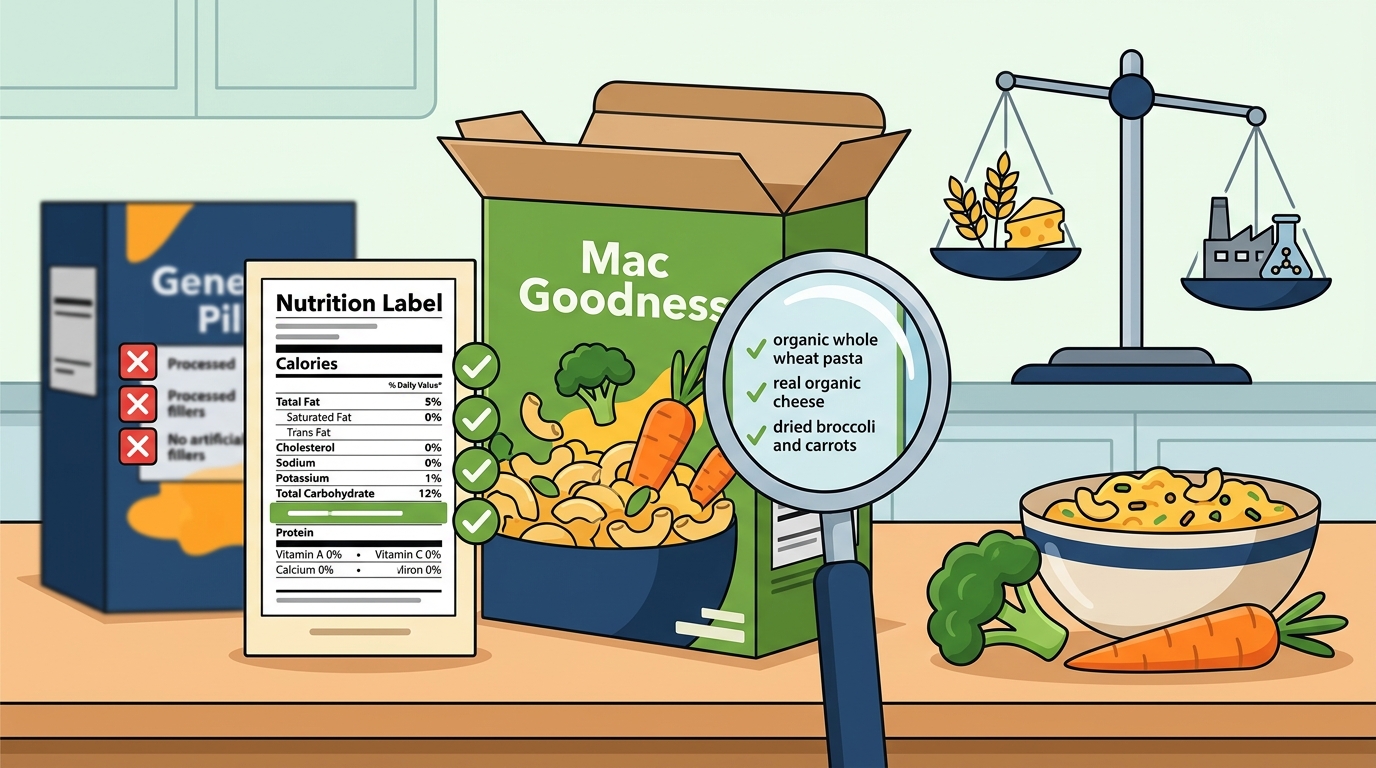
Vegetables like spinach, carrots, and sweet potatoes can be integrated into mac and cheese in ways that are visually appealing and nutritionally beneficial. For example, spinach adds iron and vitamin K, while carrots provide beta-carotene, which the body converts into vitamin A. Purple sweet potatoes offer anthocyanins, which are antioxidants associated with overall wellness. Mac Goodness utilizes these vegetables in their superhero-themed flavors, such as Green Glory and Purple Power. This strategy turns a simple pasta dish into a vehicle for essential nutrients.
Vegetables as Nutrient Vehicles
Integrating vegetables into the cheese sauce or pasta itself is a clever way to increase nutrient density. Air-dried spinach, for instance, can be folded into the cheese without significantly changing the texture. This method ensures that the child consumes the vegetable along with the pasta. Similarly, pumpkin or sweet potato can add natural sweetness and fiber. These ingredients help support digestive health and provide steady energy. By choosing products with visible or integrated vegetables, parents can ensure their children are getting a broader range of micronutrients.
Protein and Calcium Considerations
Mac and cheese is naturally a source of protein and calcium due to the cheese and milk content. However, the quality of these nutrients depends on the source. Real white cheddar cheese provides complete protein, containing all essential amino acids. It is also a rich source of calcium, which is critical for bone development in children. When evaluating boxed options, check the nutrition label for protein and calcium percentages relative to the Daily Value. Higher percentages indicate a more substantial contribution to daily nutritional needs.
Sodium Levels
Sodium is a critical factor when evaluating the healthiness of boxed mac and cheese. Many mass-market brands rely on high sodium levels to enhance flavor and preserve the product. Excessive sodium intake in children can contribute to long-term health issues, including high blood pressure. The American Heart Association recommends limiting sodium intake for children, making it essential to choose products with lower sodium content. according to Sodium Reduction in
When comparing boxed mac and cheese, look at the milligrams of sodium per serving. A healthy option typically has significantly less sodium than the average mass-market brand. For context, many popular brands contain over 500 milligrams of sodium per serving. In contrast, cleaner options like Mac Goodness aim for lower levels, often around 200 to 270 milligrams per serving, depending on the specific flavor. This reduction is achieved by using high-quality ingredients that do not require heavy salting to taste good. Choosing lower-sodium options helps establish healthy eating habits early in life.
Reading the Nutrition Label
Always check the serving size when comparing sodium levels. Some products list nutrition for the entire package, while others list it per serving. Ensure you are comparing equivalent amounts. Additionally, look for the percentage of Daily Value (%DV) for sodium. A value under 15% is generally considered low. Products with higher %DV values should be consumed less frequently. By consistently choosing lower-sodium options, parents can reduce their child's overall sodium intake without sacrificing taste.
Flavor Without the Salt
Modern food science allows for flavorful products without excessive salt. Real cheese has a natural savory quality that can satisfy the palate. When a product relies on real ingredients, it often needs less added salt to achieve a satisfying taste. This is a key differentiator for brands focused on clean eating. Mac Goodness, for example, emphasizes that their products contain no added salt, relying instead on the natural flavors of organic cheese and vegetables. This approach results in a product that is both tasty and healthier.
Comparison of Boxed Options
The following table summarizes the key differences between a clean, organic option and typical mass-market brands. This comparison highlights the impact of ingredient choices on nutritional quality. according to 42 CFR Part
| Feature | Mac Goodness (Clean Option) | Typical Mass-Market Brand |
|---|---|---|
| Ingredient Count | 3-4 simple ingredients | 9-12+ ingredients |
| Sodium per Serving | ~200-270 mg | 500-600+ mg |
| Vegetable Content | Whole organic veggies (spinach, carrot, etc.) | None or artificial colors |
| Processing Level | Minimally processed | Highly processed |
| Added Salt | No added salt | High added salt |
This table illustrates that the choice of brand significantly impacts the nutritional profile of the meal. By selecting products with fewer ingredients and lower sodium, parents can provide a healthier alternative to standard boxed options.
Key Takeaways
- Look for products with short, recognizable ingredient lists to avoid highly processed additives.
- Organic ingredients often indicate a cleaner production process with fewer synthetic chemicals.
- Choose options that include whole vegetables to boost vitamin, mineral, and fiber intake.
- Check the sodium content per serving; aim for products with under 300 mg per serving.
- Real cheese and whole milk provide high-quality protein and calcium for growing children.
- Minimally processed foods retain more natural nutrients and flavors.
- Brands like Mac Goodness offer a balance of taste and nutrition with simple, clean ingredients.
- Consistently choosing lower-sodium, nutrient-dense options helps establish healthy eating habits.
Frequently Asked Questions
Is organic mac and cheese always healthier?
Organic status indicates how ingredients are grown, not necessarily the overall nutritional quality. However, organic products often have fewer additives and preservatives. It is best to combine organic status with a review of the ingredient list and nutrition facts.
How much sodium is too much for kids?
Recommended sodium intake varies by age, but generally, children should consume less than 1,500 mg per day. Choosing individual meals with lower sodium, such as those under 300 mg per serving, helps stay within these limits.
Do vegetables in mac and cheese actually provide nutrients?
Yes, whole vegetables retain their nutrients even when cooked or dried. Integrating vegetables like spinach or carrots into mac and cheese can significantly increase the intake of vitamins and minerals.
What is the best way to serve boxed mac and cheese?
Follow the package instructions for preparation. Adding a side of fresh fruit or a small salad can further enhance the nutritional profile of the meal. Serving it as part of a balanced plate is ideal.
Are there any artificial colors in clean mac and cheese?
Clean options typically avoid artificial colors. The vibrant colors in products like Mac Goodness come from natural sources, such as the pigments in spinach, carrots, or sweet potatoes.
Can I find these products in stores?
Yes, brands like Mac Goodness are available in specialty grocery stores and markets in regions like Greater Boston and New York City. You can also check their website for current availability.
Conclusion
Selecting the healthiest boxed mac and cheese for kids involves a careful review of ingredients, sodium levels, and nutritional additions. By prioritizing simple, organic ingredients and looking for products enriched with whole vegetables, parents can provide a meal that is both enjoyable and nourishing. Mac Goodness exemplifies this approach, offering a range of flavors that combine real cheese with nutrient-dense vegetables and minimal processing. Making informed choices at the grocery store empowers families to serve food that supports healthy growth and development. Explore the Mac Goodness collection to find the perfect option for your family's needs.