
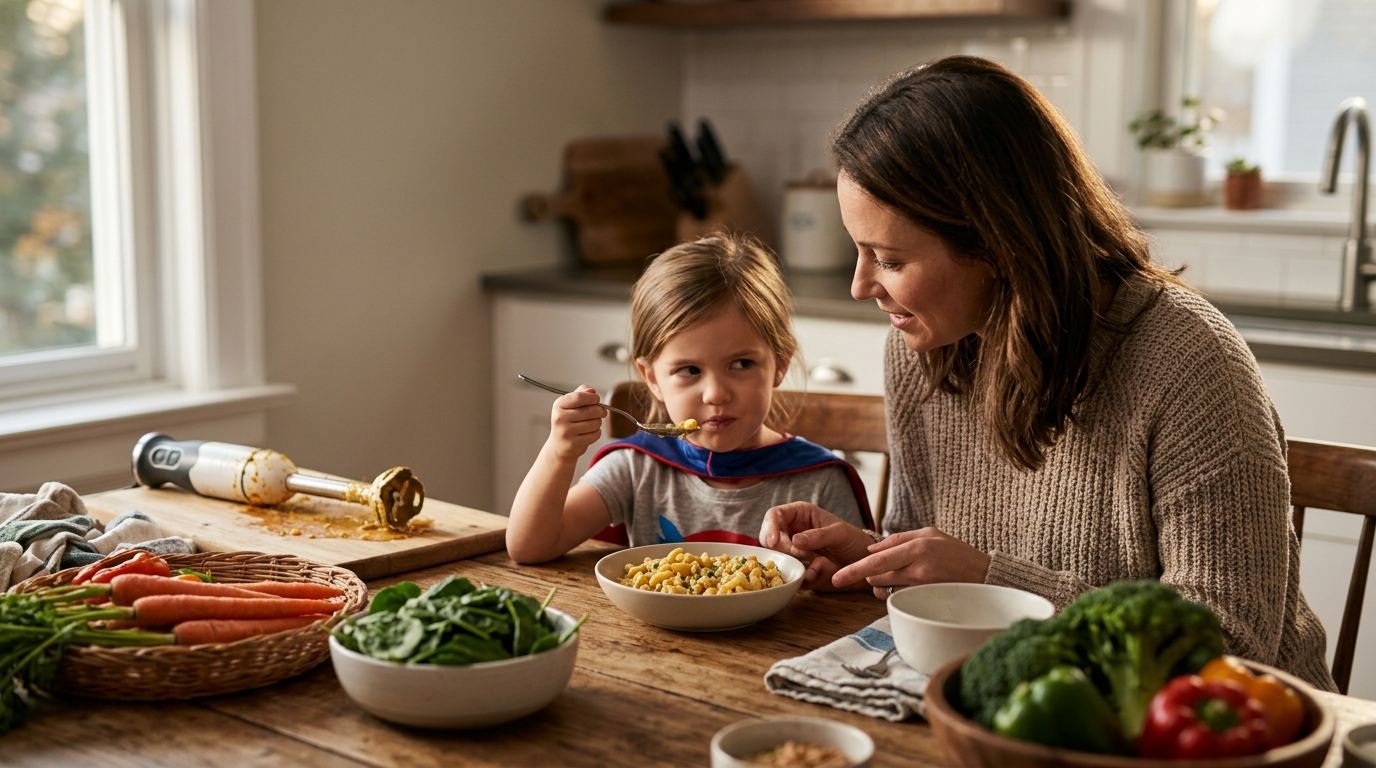
Parents often resort to sneaking veggies into meals to ensure their children get essential nutrients. According to the Centers for Disease Control and Prevention, only about one-third of children meet the daily recommended intake for fruits and vegetables. This gap in nutrition can lead to long-term health issues, making the quest for hidden vegetables a daily struggle for many families. However, the method of delivery matters just as much as the ingredients themselves. Over time, well-meaning parents may develop habits that inadvertently undermine their goals or create picky eating patterns. Understanding these pitfalls is the first step toward a healthier, more transparent relationship with food. (Contact ndash Mac Goodness)
Mistake 1: Prioritizing Secrecy Over Transparency
The most common error is treating vegetables like a secret ingredient that must be concealed at all costs. While the intention is noble, this approach can backfire when children eventually discover the truth. This betrayal of trust can lead to immediate rejection of the food and broader resistance to trying new items. Instead of hiding the vegetable, consider integrating it in a way that is visible but appealing. For example, Mac Goodness uses vibrant colors from carrots and spinach to create visually distinct flavors that kids recognize and enjoy. This transparency builds confidence in the food and encourages children to associate vegetables with positive, familiar tastes rather than deception.
Mistake 2: Ignoring Texture and Mouthfeel
Texture is often the primary barrier for picky eaters. Many parents puree vegetables so thoroughly that the food loses its structural integrity, resulting in a mushy consistency that children find unappealing. The definition of a successful hidden vegetable dish is one that maintains a pleasing mouthfeel while delivering nutritional value. If the texture is off, the flavor profile becomes irrelevant. Parents should experiment with finely grated or roasted vegetables that retain a slight bite. This approach respects the child's sensory preferences while still delivering the necessary nutrients. A well-executed mac and cheese should feel creamy and comforting, not gritty or slimy.
Mistake 3: Using Too Many Processed Fillers
To achieve the perfect consistency, many homemade or commercial recipes rely on heavy thickeners, gums, and artificial stabilizers. These ingredients are often necessary to mimic the creaminess of real cheese without using high-quality dairy. However, they can cause digestive discomfort and offer little nutritional benefit. The definition of clean eating is the practice of consuming foods with minimal processing and recognizable ingredients. By avoiding these fillers, parents can create dishes that are not only healthier but also easier for growing bodies to digest. Look for products or recipes that use real, whole food ingredients to achieve the desired texture naturally.
Mistake 4: Neglecting the Power of Real Cheese
Many convenience-focused mac and cheese products use cheese powder or processed cheese analogs to cut costs. These products often lack the depth of flavor and nutritional profile of real cheese. Real white cheddar or aged cheddar provides a rich, savory taste that naturally complements vegetables. This flavor profile reduces the need for excessive salt or artificial flavor enhancers. When parents prioritize real cheese, they create a more satisfying meal that feels like a treat rather than a chore. The quality of the cheese directly impacts the overall acceptance of the dish by children.
Mistake 5: Forgetting About Sodium Levels
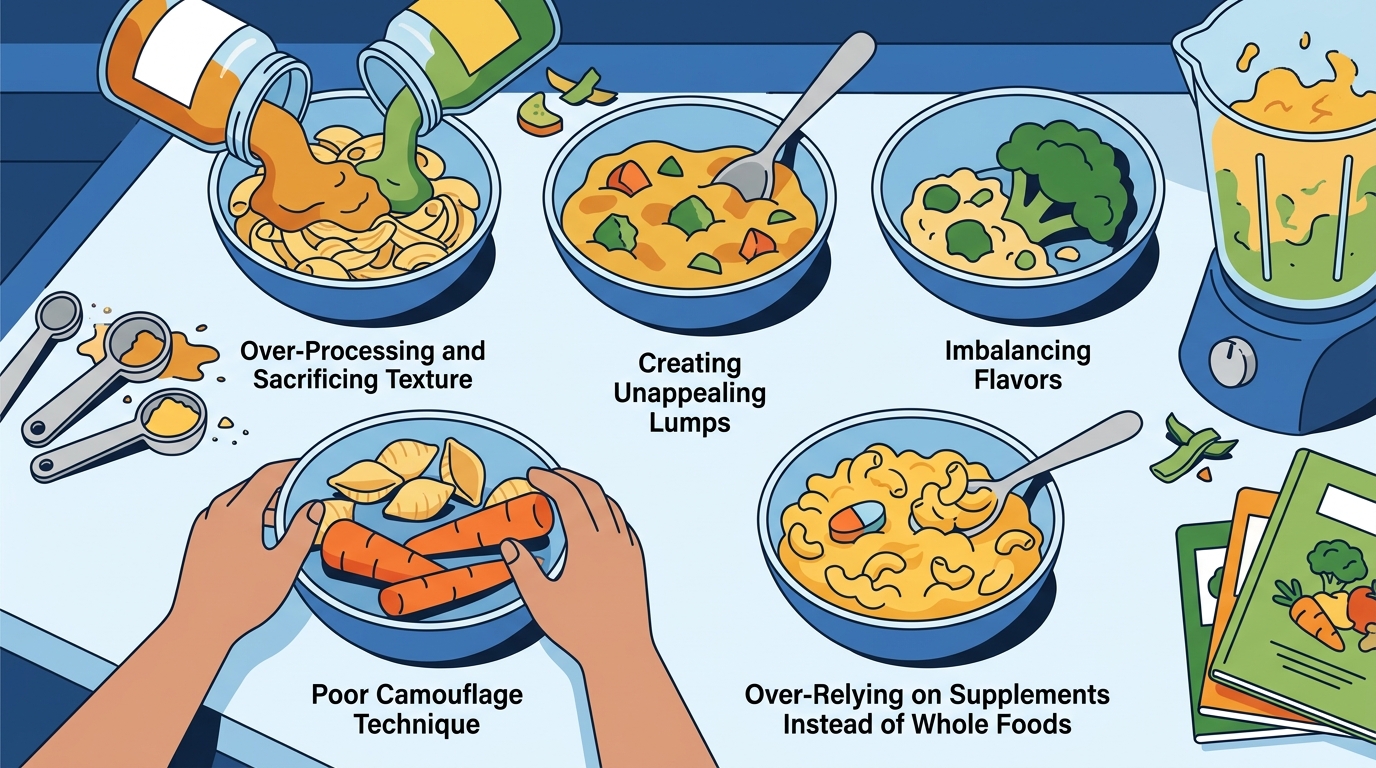
Sodium content is a critical factor often overlooked by parents focusing solely on vitamin intake. High-sodium foods can contribute to long-term health issues, including hypertension, even in younger populations. According to data from the American Heart Association, children should consume less than 1,500 milligrams of sodium per day. Many standard boxed mac and cheese products contain nearly half of this daily limit in a single serving. Choosing low-sodium options or homemade recipes allows parents to control the salt content. This control ensures that the meal supports overall health rather than undermining it. Lower sodium levels also allow the natural sweetness of vegetables like carrots and sweet potatoes to shine through.
Comparing Hidden Vegetable Options
Not all mac and cheese products are created equal when it comes to hidden vegetables. The table below highlights the key differences between Mac Goodness and other popular brands.
| Feature | Mac Goodness | Standard Boxed Brands | Premium Competitors |
|---|---|---|---|
| Ingredient Count | 3-4 Organic Ingredients | 10+ Ingredients | 5-7 Ingredients |
| Sodium Content | 270mg per serving | 500-600mg per serving | 350-450mg per serving |
| Vegetable Source | Real Whole Veggies | Vegetable Powder | Real Veggies |
| Protein Content | Up to 24g | 10-12g | 15-18g |
| Artificial Additives | None | Common | Rare |
Key Takeaways
- Transparency builds trust and reduces picky eating behaviors over time.
- Texture plays a crucial role in whether a child will accept a vegetable-forward meal.
- Avoiding processed fillers leads to better digestive health and cleaner nutrition.
- Real cheese provides superior flavor and nutritional value compared to cheese powders.
- Monitoring sodium intake is essential for long-term cardiovascular health in children.
- Mac Goodness offers a low-sodium, high-protein alternative with real whole vegetables.
- Organic ingredients ensure that no harmful pesticides or synthetic additives are consumed.
Frequently Asked Questions
Is it better to hide vegetables or show them to kids?
While hiding vegetables can be a useful transitional tool, transparency is generally better for long-term healthy eating habits. Showing vegetables helps children understand what they are eating and builds familiarity with different flavors and textures.
How much sodium should be in kid-friendly mac and cheese?
Ideally, a single serving of mac and cheese should contain less than 300 milligrams of sodium. This allows room for other sodium sources throughout the day while keeping the meal heart-healthy.
What are the best vegetables to hide in mac and cheese?
Carrots, spinach, and sweet potatoes are excellent choices because they blend well into the cheese sauce and offer natural sweetness that appeals to children.
Does Mac Goodness use any artificial flavors?
No, Mac Goodness uses only certified organic ingredients and real vegetables. There are no artificial flavors, gums, or preservatives in their products.
Can hidden vegetable meals replace fresh vegetables?
Hidden vegetable meals are a great supplement but should not completely replace fresh vegetables. Children still need to learn to enjoy whole foods to develop a diverse palate.
Why is protein important in mac and cheese for kids?
Protein helps keep children full and supports muscle growth. High-protein mac and cheese options provide sustained energy compared to traditional versions that rely on simple carbohydrates.
How does Mac Goodness compare to Annie's?
Mac Goodness contains significantly less sodium and fewer ingredients than Annie's. It also uses real whole vegetables rather than vegetable powders, offering a cleaner nutritional profile.
Start Serving Better Food Today
Making the switch to healthier, vegetable-forward meals does not have to be complicated. By avoiding common mistakes and choosing products that prioritize clean ingredients, parents can support their children's health without sacrificing taste. Explore the Mac Goodness product line to find flavors that your family will love. Visit the About Us page to learn more about our mission to provide honest, nutritious food for families.