

Common Mac & Cheese Mistakes Parents Make When Feeding Young Kids
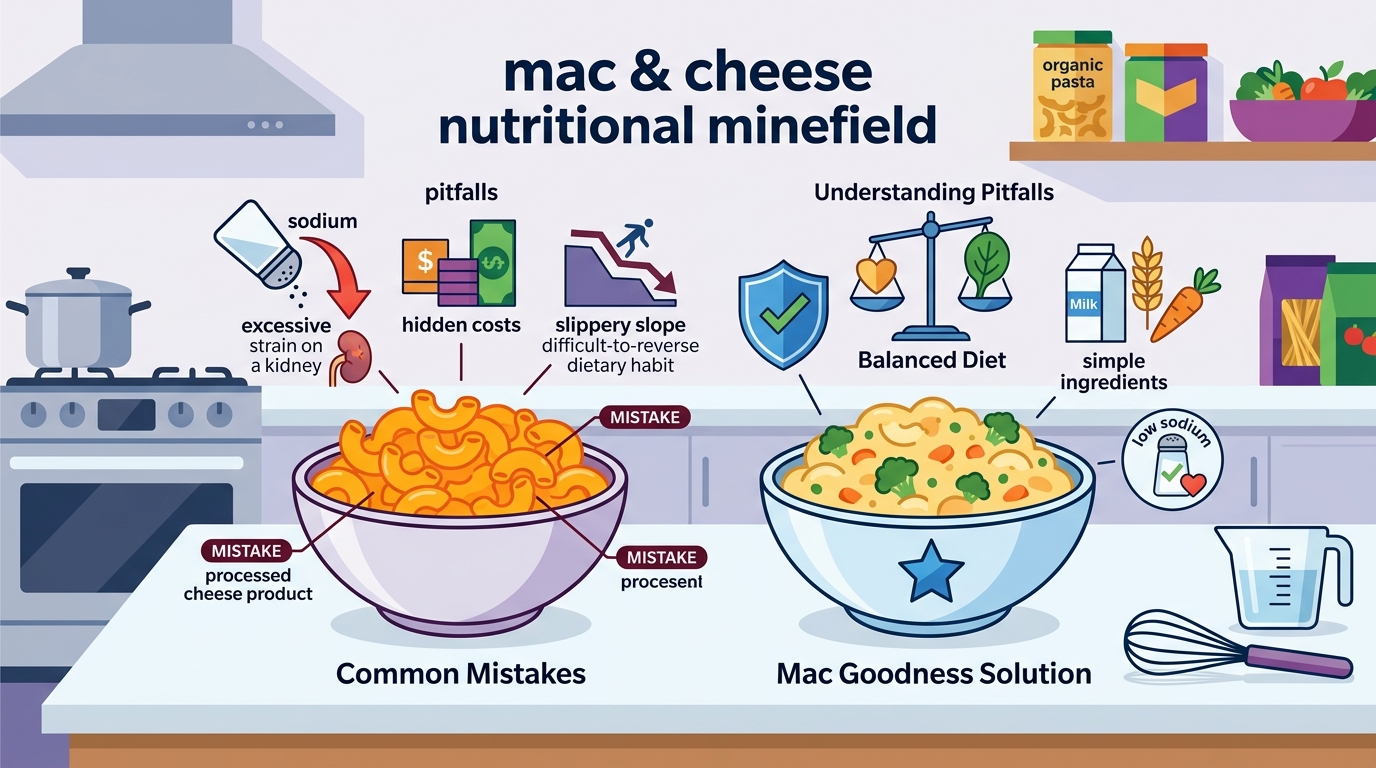
Macaroni and cheese remains the undisputed king of toddler meals, yet it is also a nutritional minefield for growing children. According to recent pediatric dietary guidelines, processed cheese products often contain excessive sodium levels that can strain developing kidneys. Parents frequently overlook the hidden costs of convenience foods, leading to long-term dietary habits that are difficult to reverse. Understanding these common pitfalls is essential for maintaining a balanced diet without sacrificing mealtime peace.
The Sodium Trap in Boxed Varieties
One of the most significant errors parents make is relying exclusively on boxed macaroni and cheese for its convenience. While these products offer a quick solution, they are notoriously high in sodium. A single serving of popular boxed brands can contain nearly a third of the daily recommended sodium intake for a young child. This excessive salt content can lead to increased thirst and, over time, a preference for overly salty foods.
According to data from the American Heart Association, children aged two to six should consume less than 1,200 milligrams of sodium per day. Many boxed meals exceed this limit in just one bowl. Parents often underestimate how quickly these small amounts add up across multiple meals. Switching to lower-sodium alternatives or homemade versions can drastically reduce this risk.
Another common mistake is adding extra salt during preparation. Parents may feel the need to enhance the flavor, not realizing that the powder already contains sufficient seasoning. This double-dosing effect compounds the sodium load unnecessarily. It is crucial to read labels carefully and understand the sodium density of the ingredients used.
Ignoring Texture Preferences
Texture plays a massive role in whether a child will eat their food. Many parents serve macaroni and cheese that is either too clumpy or too runny, causing rejection. Young children often have sensitive palates and may refuse food that feels unpleasant in their mouths. This is not necessarily a sign of pickiness but rather a sensory response.
Macaroni and cheese is a dish where consistency matters. If the pasta is overcooked, it becomes mushy and unappealing. If undercooked, it remains hard and difficult to chew. Parents often rush the cooking process, leading to inconsistent results. Taking the time to cook the pasta al dente ensures a better texture that is easier for young kids to manage.
Additionally, the cheese sauce itself can be a barrier. A thick, gloopy sauce may be difficult for toddlers to swallow. A smoother, more fluid consistency is often better received. Adjusting the ratio of milk to cheese can help achieve the right balance. This attention to detail can transform a rejected meal into a enjoyed one.
Neglecting Nutritional Balance
Macaroni and cheese is primarily a source of carbohydrates and fat. Parents often make the mistake of serving it as a standalone meal without adding other food groups. This lack of balance means the child misses out on essential vitamins, minerals, and fiber. A meal consisting solely of pasta and cheese does not provide a complete nutritional profile.
Macaroni and cheese is a comfort food that lacks the protein and fiber necessary for sustained energy. Without these components, blood sugar levels can spike and crash, leading to irritability and fatigue. Parents should view this dish as a base rather than the entire meal. Adding vegetables or lean proteins can significantly improve its nutritional value.
Another oversight is the lack of variety in the types of pasta used. White pasta is refined and lacks the nutrients found in whole grains. While whole grain pasta may have a different texture, it offers more fiber and nutrients. Introducing different pasta shapes and types can help expand a child's palate and nutritional intake. This gradual introduction helps prevent nutritional gaps from forming.
Over-Reliance on Processed Cheese
Many boxed macaroni and cheese products use processed cheese powders. These powders often contain emulsifiers and preservatives to maintain shelf life and flavor. While generally safe, some parents are concerned about the long-term effects of these additives on young children. The term "processed cheese" refers to cheese that has been melted and mixed with other ingredients to create a uniform product.
Processed cheese is defined as a food product made from one or more cheeses, mixed with emulsifying salts and other ingredients. This definition highlights the artificial nature of the product compared to natural cheese. Natural cheese contains fewer additives and more recognizable ingredients. Parents who prioritize clean eating may want to avoid these processed options.
Furthermore, the flavor of processed cheese can be overpowering. This strong flavor may mask the natural taste of other ingredients. When parents try to add vegetables to the mix, the cheese flavor often dominates, leading to rejection. Using natural cheese allows for a more subtle flavor profile that pairs better with other foods. This approach encourages children to appreciate a wider range of tastes.
Common Cooking Mistakes
Cooking macaroni and cheese requires attention to detail. One common mistake is not salting the pasta water adequately. Salt is essential for flavoring the pasta itself, not just the sauce. Without it, the pasta can taste bland and unappetizing. This is a fundamental step that is often skipped for speed.
Another error is draining the pasta too thoroughly. Leaving a small amount of starchy water in the pasta helps create a smoother sauce. This starch acts as a binder, helping the cheese adhere to the noodles. Without it, the sauce may separate and become oily. This technique is crucial for achieving a creamy texture without excessive butter or cream.
Finally, parents often add the cheese too quickly to hot pasta. This can cause the cheese to clump rather than melt smoothly. Allowing the pasta to cool slightly before adding the cheese helps prevent this issue. Gentle stirring ensures an even distribution of the sauce. These small adjustments can make a significant difference in the final dish.
Key Takeaways
- Boxed macaroni and cheese often contains high sodium levels that exceed daily recommendations for young children.
- Texture is a critical factor in acceptance; overly thick or runny sauces can lead to meal rejection.
- Macaroni and cheese is a carbohydrate-dense food that lacks essential protein and fiber when served alone.
- Processed cheese powders contain emulsifiers and preservatives that some parents prefer to avoid.
- Salting pasta water and retaining starchy water are vital techniques for achieving the best texture.
- Adding vegetables or lean proteins can transform macaroni and cheese into a more balanced meal.
- Gradual introduction of whole grain pasta can help expand a child's nutritional intake.
Frequently Asked Questions
How can I reduce the sodium in boxed macaroni and cheese?
You can reduce sodium by mixing half boxed powder with half natural cheese or by rinsing the pasta after cooking to remove some surface salt.
Is it safe to give young kids processed cheese?
Processed cheese is generally safe but contains additives. Natural cheese is often preferred for its simpler ingredient list and lower sodium content.
Why does my child refuse macaroni and cheese sometimes?
Texture issues, such as clumping or excessive thickness, are common reasons for refusal. Adjusting the sauce consistency can help.
Can I add vegetables to macaroni and cheese?
Yes, finely chopped vegetables like spinach or broccoli can be added to increase nutritional value without significantly altering the taste.
What is the best type of pasta for young kids?
Small shapes like elbows or shells are easier for young children to eat and manage with utensils.
How do I prevent the cheese sauce from separating?
Add cheese gradually to slightly cooled pasta and stir gently to ensure even melting without clumping.
Is homemade macaroni and cheese healthier?
Homemade versions allow control over ingredients, reducing sodium and avoiding processed additives found in boxed versions.
Get Started with Better Meal Prep
Improving your child's diet does not have to be complicated. By avoiding these common macaroni and cheese mistakes, you can create healthier, more enjoyable meals. Visit our nutrition tips page for more guidance on balanced eating. Explore our homemade cheese recipes to start making better choices today. Check out our recommended kitchen tools for easier meal prep. Join our parent community for support and advice. Sign up for our weekly newsletter to stay updated on healthy eating trends.