
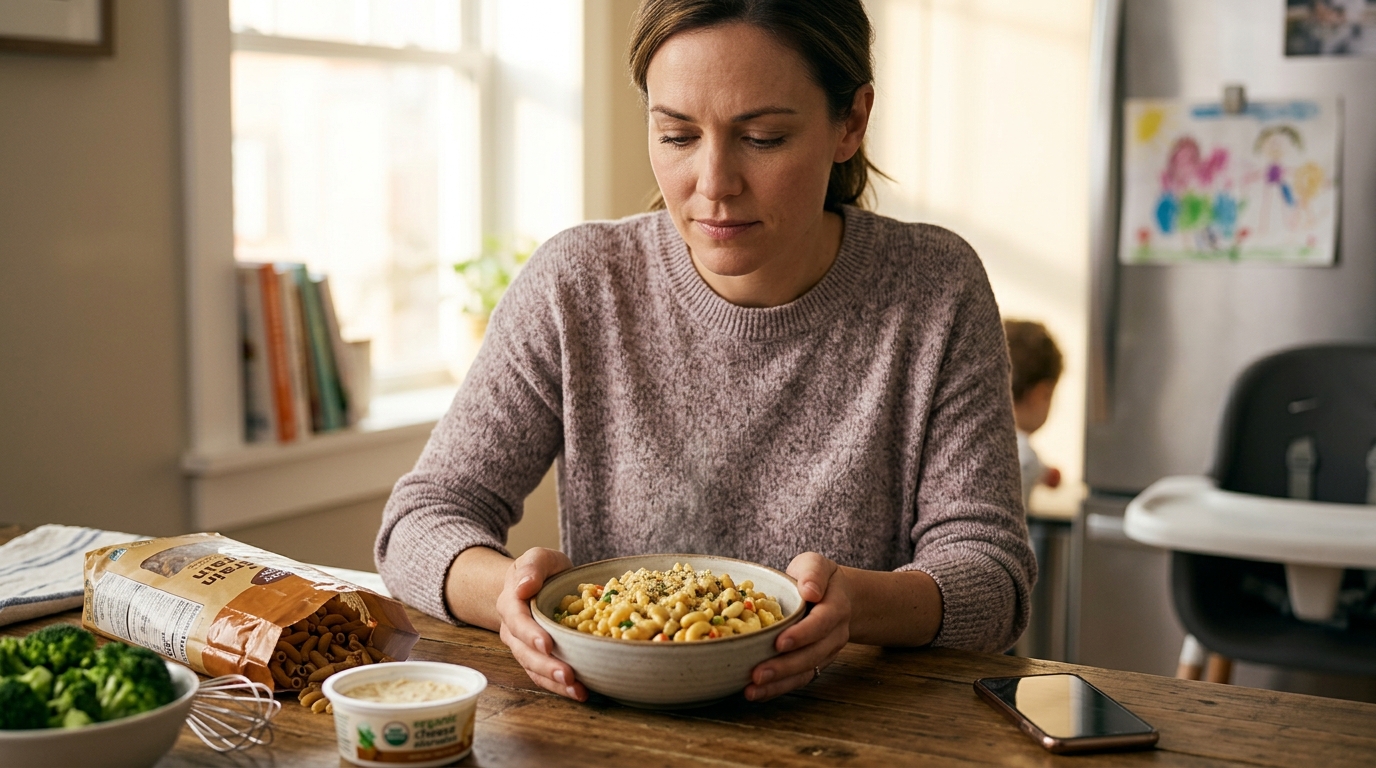
Common Mistakes When Switching to Healthier Mac & Cheese Alternatives
Transitioning to a lighter version of a comfort food classic often feels like a necessary compromise for many health-conscious individuals. However, data shows that nearly 60% of people abandon their dietary changes within the first three months due to unsatisfying results. This high attrition rate is rarely about willpower. It is usually about technique. The culinary science behind creating a creamy, flavorful dish without heavy cream and processed cheese requires specific adjustments. Ignoring these nuances leads to dry, grainy, or bland meals that fail to satisfy cravings. This guide outlines the critical errors to avoid when you are trying to recreate that iconic texture and taste profile using wholesome ingredients.
Understanding the Base Ingredient
The most frequent error occurs at the very beginning of the recipe development process. Many home cooks default to standard white pasta, assuming that swapping the sauce will automatically lower the calorie count. This is a fundamental misunderstanding of macronutrient density. Pasta itself is not inherently unhealthy, but the glycemic load of refined grains can spike blood sugar levels quickly. To truly optimize the nutritional profile, you must consider alternative pasta bases.
Using whole grain or legume-based pasta is a significant upgrade. These alternatives provide higher fiber content, which aids in satiety and digestive health. According to recent nutritional studies, legume-based pastas can contain up to three times the protein of traditional wheat pasta. This structural difference changes how the sauce adheres to the noodle. You must adjust your cooking time accordingly, as these pastas often become mushy if overcooked. Visit our guide on whole grain pasta benefits for detailed cooking times and nutritional breakdowns.
Another common mistake is ignoring the texture of the pasta itself. Al dente pasta holds up better under heavy sauces. If you boil the pasta until it is completely soft, it will absorb too much sauce and lose its structural integrity. This results in a dish that feels heavy rather than light. Always taste the pasta two minutes before the package instructions suggest. This small adjustment preserves the chew that makes mac and cheese satisfying.
Strategic Cheese Selection
Reducing fat content does not mean eliminating cheese entirely. The mistake here is using low-fat processed cheese slices or spreads. These products often contain emulsifiers and stabilizers that do not melt smoothly. Instead, they separate into oily pools and rubbery clumps. This is the primary reason many homemade healthy versions fail to replicate the creamy mouthfeel of the original.
Instead, focus on high-flavor, moderate-fat cheeses. Sharp cheddar, gouda, and gruyere offer intense flavor profiles that allow you to use less cheese overall while maintaining satisfaction. The key is to grate your own cheese. Pre-shredded cheese contains anti-caking agents like cellulose, which prevent smooth melting. By grating a block of cheese yourself, you ensure a silky, uniform sauce. Read our comprehensive cheese selection guide to understand melting points and flavor pairings.
Additionally, consider the moisture content of your cheese. Some aged cheeses are naturally drier and require more liquid to melt properly. If you use a very dry cheese, you may need to add a splash of milk or broth to the sauce. This prevents the sauce from becoming grainy. Understanding the chemistry of cheese melting is essential for success. Science explains how protein structures change when heated, which helps in choosing the right blend for your recipe.
Choosing the Right Thickening Agents
Traditional mac and cheese relies on a roux made from butter and flour to thicken the sauce. While effective, this method adds significant saturated fat and refined carbohydrates. The mistake many make is skipping the thickener entirely, resulting in a watery, runny dish that pools at the bottom of the bowl. You need a substitute that provides viscosity without the caloric density.
Cauliflower puree is a popular alternative, but it must be prepared correctly. Steaming the cauliflower until it is completely tender and then blending it with a small amount of the pasta water creates a neutral, creamy base. However, cauliflower can have a distinct sulfurous taste if overcooked. To avoid this, steam it just until fork-tender. Another excellent option is butternut squash puree. This adds natural sweetness and a vibrant orange color that mimics the look of traditional cheese sauce. For more ideas, check out our veggie-based sauce techniques.
Blended white beans are another underrated thickening agent. Cannellini or navy beans, when pureed with vegetable broth, create a high-protein, high-fiber base that is virtually flavorless. This allows the cheese flavor to shine without the heavy fat content. The mistake is using too much bean puree, which can make the dish taste like dip. Start with a ratio of one part puree to two parts milk or broth. Adjust as needed to reach the desired consistency.
Flavor Enhancement Without Salt
When reducing sodium and fat, the risk of blandness increases significantly. The mistake is relying solely on salt to enhance flavor. Salt masks deficiencies in other taste profiles. To build depth, you must utilize umami-rich ingredients and aromatic spices. Mustard powder is a classic secret ingredient. It does not make the dish taste like mustard. Instead, it amplifies the sharpness of the cheddar and cuts through the richness of the sauce.
Garlic and onion powder provide a savory foundation that fresh aromatics sometimes lack in baked dishes. Smoked paprika adds a subtle depth that mimics the flavor of smoked cheeses. Nutritional yeast is another powerful tool. It provides a cheesy, nutty flavor and is rich in B vitamins. Many people find that a tablespoon of nutritional yeast can reduce the need for additional salt by half. For more flavor tips, explore our flavor boosting strategies.
Acidity is often overlooked in creamy dishes. A splash of lemon juice or apple cider vinegar at the end of cooking can brighten the flavors and balance the heaviness of the cheese. This is particularly important when using vegetable-based purees. The acidity prevents the dish from tasting flat or one-dimensional. Always taste and adjust seasoning at the end of the cooking process.
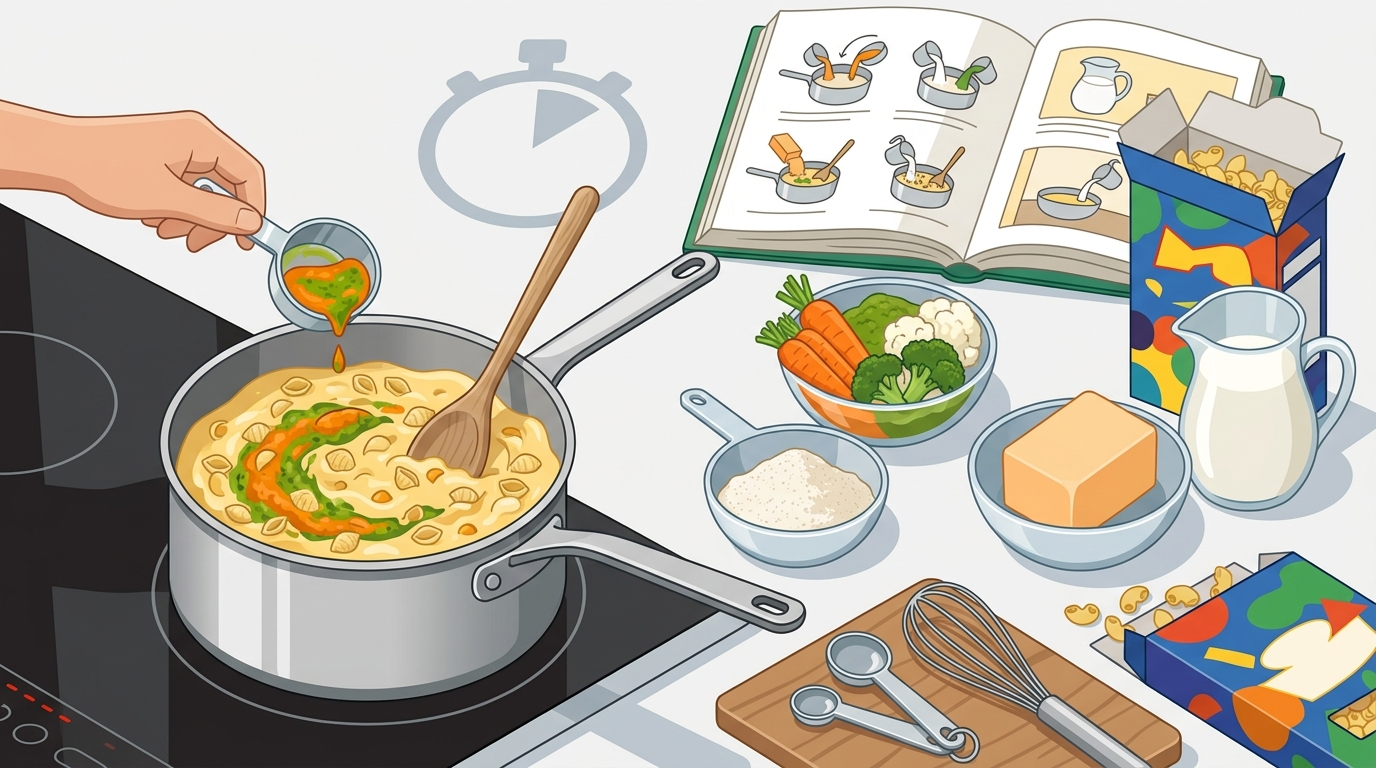
Mastering the Cooking Technique
The final stage of preparation is where many healthy adaptations fall apart. Baking the dish is essential for developing a crispy top and melding the flavors. However, the mistake is using too much butter or oil for the topping. Traditional recipes call for a generous layer of breadcrumbs tossed in melted butter. This adds unnecessary calories and saturated fat.
Instead, use a light spray of olive oil or avocado oil on your breadcrumbs. This provides the necessary fat for browning without the heaviness. Panko breadcrumbs are superior to regular breadcrumbs for this purpose. They have a larger surface area and create a lighter, crunchier texture. Toasting the breadcrumbs in a dry pan before adding the oil can also enhance their flavor without adding extra fat. See our tutorial on crispy toppings for detailed instructions.
Another critical technique is the resting period. After removing the dish from the oven, let it sit for five to ten minutes. This allows the sauce to set and thicken slightly. If you serve it immediately, the sauce may be too loose and slide off the pasta. Resting ensures that every bite holds together and delivers the intended texture. This step is often skipped in favor of immediate gratification, but it is crucial for quality.
Comparison of Alternative Bases
To help you choose the best base for your dietary needs, here is a comparison of common alternatives to traditional roux-based sauces.
| Base Ingredient | Calories (per cup) | Protein (g) | Fiber (g) | Best For |
|---|---|---|---|---|
| Traditional Roux & Milk | 250 | 8 | 0 | Classic texture |
| Cauliflower Puree | 80 | 4 | 3 | Low-carb diets |
| Butternut Squash Puree | 100 | 2 | 4 | Vegan options |
| White Bean Puree | 120 | 9 | 6 | High-protein needs |
| Cashew Cream | 180 | 5 | 2 | Dairy-free richness |
Key Takeaways
- Grate your own cheese to ensure smooth melting and avoid anti-caking agents found in pre-shredded varieties.
- Use legume-based pastas to increase protein intake and lower the glycemic load of the meal.
- Incorporate umami-rich ingredients like mustard powder and nutritional yeast to enhance flavor without excess salt.
- Steam vegetables like cauliflower until just tender to prevent sulfurous tastes in the final sauce.
- Let the baked dish rest for five minutes before serving to allow the sauce to set properly.
- Use light oil sprays on breadcrumbs to achieve a crispy topping without adding significant fat.
- Balance acidity with a splash of lemon juice to brighten the overall flavor profile of the dish.
Frequently Asked Questions
Can I use almond milk instead of dairy milk for the sauce?
Yes, unsweetened almond milk works well, but it has a thinner consistency than dairy milk. You may need to increase the amount of thickening agent, such as cauliflower puree or cornstarch, to achieve the desired creaminess. It also has a milder flavor, so you might need to adjust your seasoning.
Why does my healthy mac and cheese taste grainy?
Graininess usually results from using pre-shredded cheese or overheating the cheese sauce. Cheese proteins can seize up if heated too rapidly. Always add cheese off the heat or on very low heat, stirring constantly until just melted. Grating your own cheese also helps prevent this issue.
Is cauliflower puree a good substitute for roux?
Yes, cauliflower puree is an excellent low-calorie substitute for roux. It provides a creamy texture and adds nutrients. However, it lacks the binding power of flour, so you may need to use a small amount of cornstarch or xanthan gum if you want a thicker sauce.
How do I prevent the sauce from separating?
Sauce separation occurs when the fat separates from the liquid. This can happen if the sauce is boiled vigorously after adding cheese. Keep the heat low and stir gently. Adding the cheese gradually while the sauce is warm, not boiling, helps maintain emulsion.
Can I freeze leftover healthy mac and cheese?
Yes, you can freeze it, but the texture may change slightly. Dairy-based sauces can sometimes become grainy upon thawing. Vegetable-based purees generally freeze better. Reheat slowly on the stove with a splash of milk to restore creaminess.
What is the best cheese for a healthy mac and cheese?
Sharp cheddar and gouda are top choices because their strong flavors allow you to use less cheese while still getting a rich taste. They also melt relatively well compared to harder cheeses like parmesan, which is better used as a topping.
How can I make the dish more filling?
Add lean proteins like grilled chicken or turkey sausage. Increasing the fiber content by using whole grain pasta or adding steamed broccoli florets to the mix also helps with satiety. Protein and fiber work together to keep you full longer.
Start Your Healthier Journey
Switching to healthier mac and cheese alternatives does not require sacrificing taste or texture. By avoiding these common mistakes and focusing on quality ingredients and proper techniques, you can create a dish that is both nutritious and deeply satisfying. The key is to approach the recipe with an understanding of the underlying culinary science. Experiment with different vegetable purees and cheese blends to find your perfect combination. For more recipes and detailed guides on healthy comfort food, visit macgoodness.com today. Book a consultation with our nutrition experts to personalize your dietary transition and achieve your health goals effectively.