
Healthy Foods for Kids That Sneak in Vegetables: The Ultimate Guide
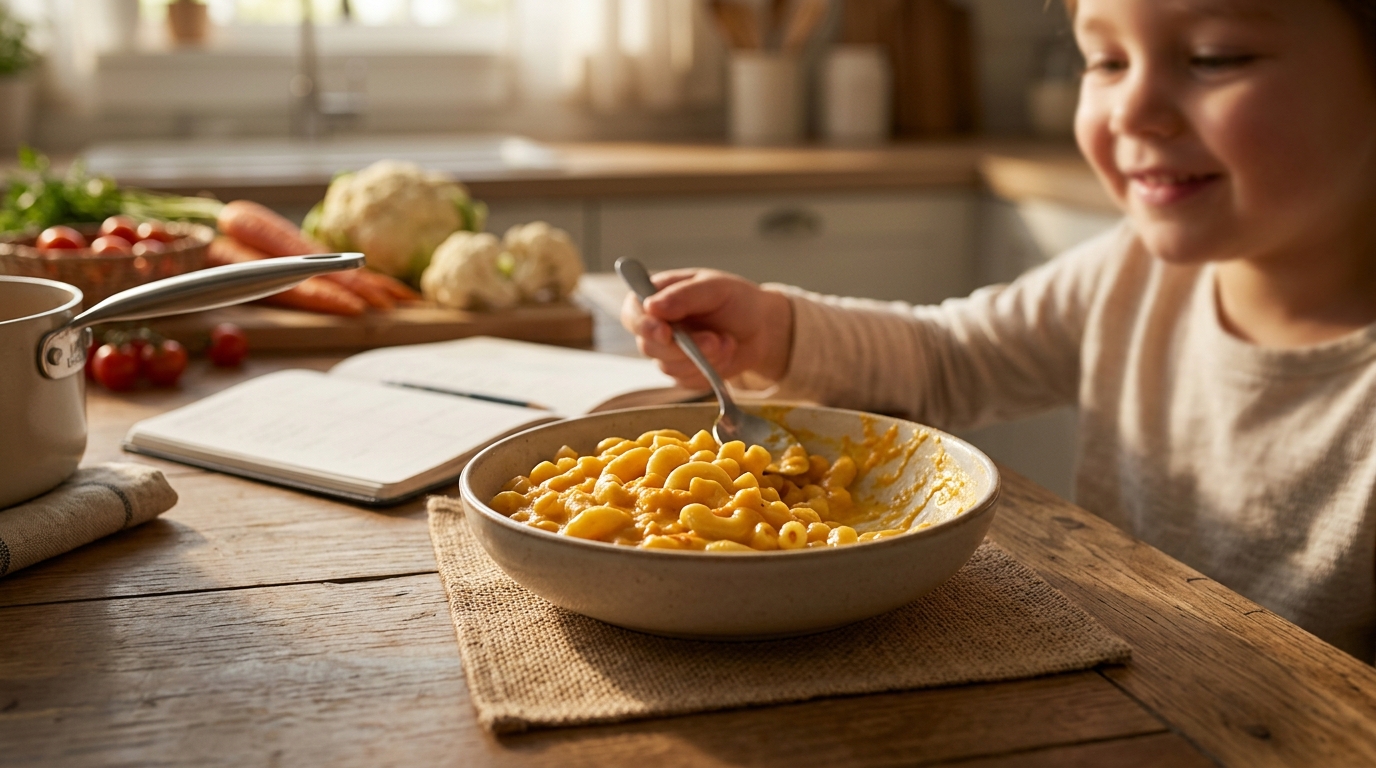
Parents often struggle to get children to eat enough vegetables. The most effective strategy is to incorporate produce into familiar, comforting meals. Mac Goodness offers a practical solution by blending organic vegetables into mac and cheese. This guide explores how to use vegetable-blended sauces and other strategies to increase vegetable intake. It covers the science of flavor masking, specific product options, and practical tips for families.
Vegetable Blended Sauces
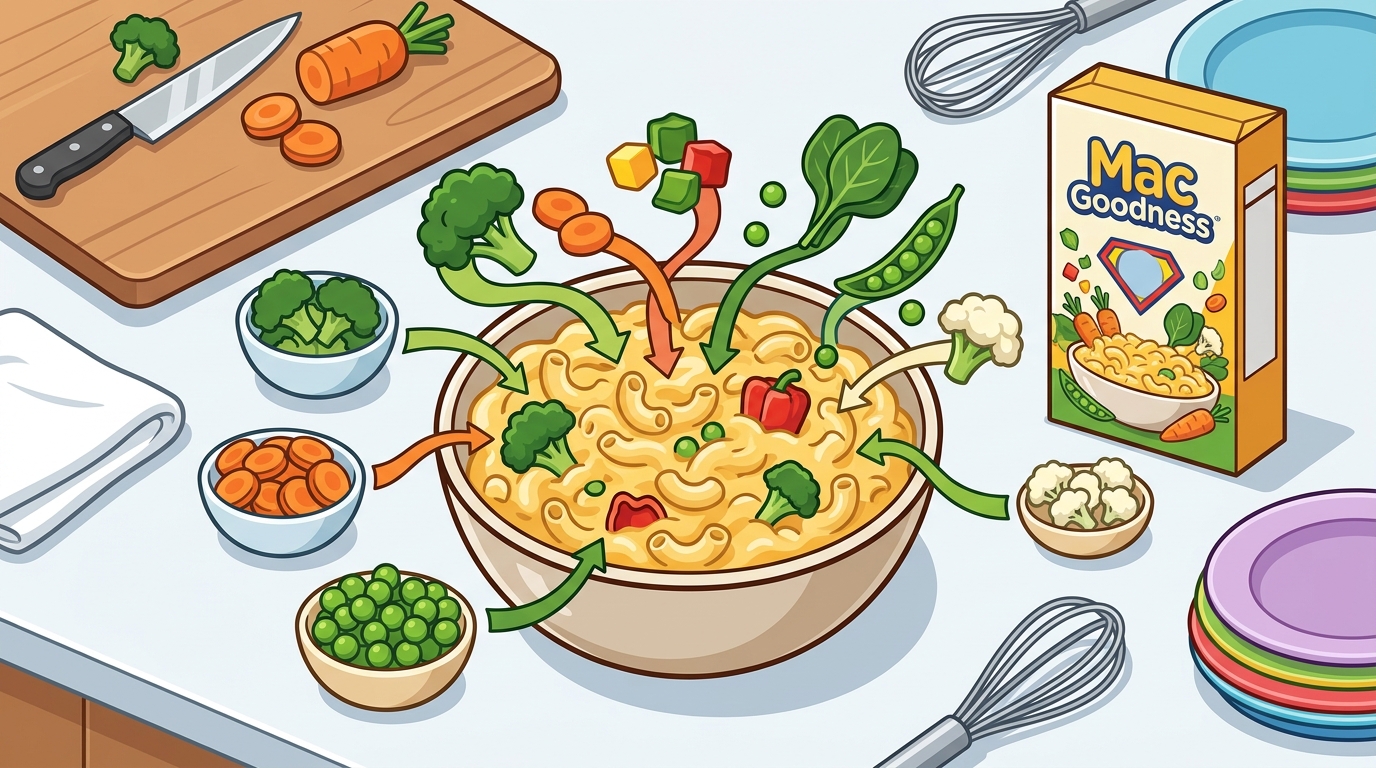
Vegetable blended sauces are a primary method for increasing vegetable consumption in children. This technique involves pureeing vegetables and mixing them into a sauce base. The goal is to alter the color and nutrient profile without changing the taste significantly. Parents can use this method with pasta sauces, gravies, or cheese sauces.
The Role of Color and Texture
Children often reject vegetables based on visual cues. Blending vegetables into a sauce changes the color to a more familiar hue. For example, blending carrots into a cheese sauce creates an orange tint that mimics cheddar. This visual shift can reduce resistance. Texture is also important. A smooth blend prevents chunks that might trigger a negative reaction.
Nutrient Retention
Blending vegetables retains most of their nutritional value. Vitamins and minerals remain intact during the pureeing process. However, heat sensitivity is a factor. Some nutrients degrade at high temperatures. Using low-heat cooking methods helps preserve these benefits. This approach ensures that the meal remains nutritious while appealing to picky eaters.
Why Flavor Masking Works
Flavor masking is the process of hiding the taste of a less preferred food within a more preferred one. This psychological tactic leverages the brain's association with familiar flavors. When a child tastes a familiar food, they are more likely to accept it. The unfamiliar vegetable taste is obscured by the dominant flavor profile.
Umami and Fat Content
Umami is a savory taste that enhances the perception of other flavors. Cheeses and meats are high in umami. Adding these to a vegetable blend can mask bitter notes. Fat also plays a role. It coats the tongue and reduces the intensity of certain tastes. A creamy sauce can make a vegetable blend more palatable.
Repetition and Exposure
Repeated exposure is key to changing food preferences. Children may need to see and taste a new food multiple times before accepting it. Sneaking vegetables into familiar meals provides this exposure. Over time, the child may become accustomed to the new flavor. This gradual acceptance can lead to a broader diet.
The Mac Goodness Approach
Mac Goodness specializes in clean, organic mac and cheese for families. The brand uses a superhero-themed approach to make vegetables exciting. Each flavor is designed to appeal to children while providing real nutrition. The products are made with simple, high-quality ingredients. This focus on transparency helps parents feel confident in their choices.
Hero Flavors and Ingredients
Mac Goodness offers a range of flavors, each with a specific vegetable. Green Glory features spinach, which is rich in iron and vitamins. Super Sight includes carrots, known for their beta-carotene content. Purple Power uses purple sweet potatoes, which are high in antioxidants. These flavors are not just about hiding vegetables. They are about celebrating them.
Simple Ingredient Lists
Comparing Options
Choosing the right product for your family depends on several factors. Ingredient quality, sodium content, and flavor profile are all important. The following table compares Mac Goodness with other popular options. This comparison helps parents make informed decisions.
| Brand | Typical Ingredients | Sodium Level | Processing Level | Vegetable Integration |
|---|---|---|---|---|
| Mac Goodness | 3-4 (Organic Pasta, Cheese, Milk, Veggie) | Low (270mg) | Low | Whole Veggies Blended |
| Annie's | 9 | Medium (540mg) | High | Some Varieties |
| Goodles | 12 | Medium-High (590mg) | High | Some Varieties |
Mac Goodness stands out for its low sodium and minimal processing. The use of whole vegetables ensures that the nutritional benefits are preserved. Other brands may offer more variety, but often with more additives. Parents should look for products with recognizable ingredients.
Practical Tips for Parents
Implementing vegetable-rich meals at home requires some strategy. Here are practical tips to help you succeed. These tips can be applied to any meal, not just mac and cheese.
Start Small
Introduce one new vegetable at a time. This prevents overwhelming the child. If they accept the first vegetable, try another. Consistency is more important than quantity. Small steps lead to long-term change.
Involve Children in Cooking
Children are more likely to eat food they helped prepare. Let them wash vegetables or stir the sauce. This involvement creates a sense of ownership. It also teaches them about food preparation. Make it a fun activity, not a chore.
Be Patient
Key Takeaways
- Vegetable blended sauces are an effective way to increase vegetable intake in children.
- Flavor masking uses familiar tastes to hide less preferred foods.
- Mac Goodness offers organic mac and cheese with whole vegetables.
- Simple ingredient lists help parents make informed choices.
- Low sodium and minimal processing are important factors to consider.
- Repeated exposure is necessary for children to accept new foods.
- Involving children in cooking can improve their willingness to eat vegetables.
- Patience and consistency are essential for long-term dietary changes.
Frequently Asked Questions
What is the best way to sneak vegetables into mac and cheese?
Are vegetable-blended mac and cheeses healthy?
Yes, they can be healthy if made with quality ingredients. Look for products with low sodium and minimal processing. Mac Goodness uses organic ingredients and no artificial additives.
How many times should I offer a new vegetable to my child?
It is recommended to offer a new vegetable 10 to 15 times before deciding if they like it. Repeated exposure helps children become accustomed to new flavors.
What vegetables are easiest to blend into sauces?
Carrots, spinach, and sweet potatoes are easy to blend. They have mild flavors that do not overpower the sauce. These vegetables also add vibrant colors that can make the food more appealing.
Does Mac Goodness use real cheese?
Yes, Mac Goodness uses real white cheddar cheese. This ensures a rich, satisfying flavor without artificial enhancers. The cheese provides calcium and protein.
Where can I buy Mac Goodness?
Mac Goodness is available at specialty grocery stores and markets across Greater Boston and New York City. You can find a store near you on the Find Us page.
Conclusion
Getting children to eat vegetables is a common challenge for parents. Using vegetable-blended sauces and flavor masking can make this process easier. Mac Goodness provides a clean, organic option that supports this goal. By choosing products with simple ingredients and real vegetables, parents can help their children develop healthy eating habits. Explore the full range of Mac Goodness flavors to find the perfect fit for your family.