

Clean mac and cheese fits into picky eaters' diets by removing sensory triggers like artificial dyes and excessive sodium that often cause rejection. Mac Goodness addresses this by using simple, recognizable ingredients that align with a child's natural preference for familiar textures and mild flavors. This approach reduces the friction of mealtime while providing a consistent nutritional baseline without the hidden additives found in standard boxed varieties.
Sensory Safety and Ingredient Transparency
Picky eating is frequently a sensory response rather than a behavioral choice. Research indicates that children often reject foods based on unexpected textures or intense, artificial flavors. Qualitative analysis of picky eating shows that parents often struggle to define the exact triggers, but sensory consistency is a primary factor. Clean mac and cheese products, such as the White Wonder variety, rely on a short ingredient list. This transparency allows parents to know exactly what is in the bowl, eliminating the unknown variables that can make a child wary of a new food.
Sodium Levels and Palate Development
Regular boxed mac and cheese often contains high levels of sodium to enhance flavor, which can skew a child's palate toward overly salty foods. Pediatric dietary guidelines suggest that children aged two to six should consume less than 1,200 milligrams of sodium per day. Many standard brands exceed this limit in a single serving. By contrast, clean options like Green Glory contain approximately 270 milligrams of sodium per serving. This lower sodium profile helps maintain a neutral palate, making it easier for children to accept other less salty foods in their diet.
Texture Consistency and Rejection
Texture is a major determinant of whether a picky eater will accept a meal. Overcooked or undercooked pasta can lead to immediate rejection. Clean mac and cheese brands often use durum wheat semolina pasta, which provides a steady, minimally processed structure. This type of pasta holds its shape better than highly processed alternatives, offering a consistent bite that many children find more acceptable. The Super Sight variety, for example, uses this pasta to ensure a reliable texture that supports the child's sensory preferences.
Vegetable Integration Without Detection
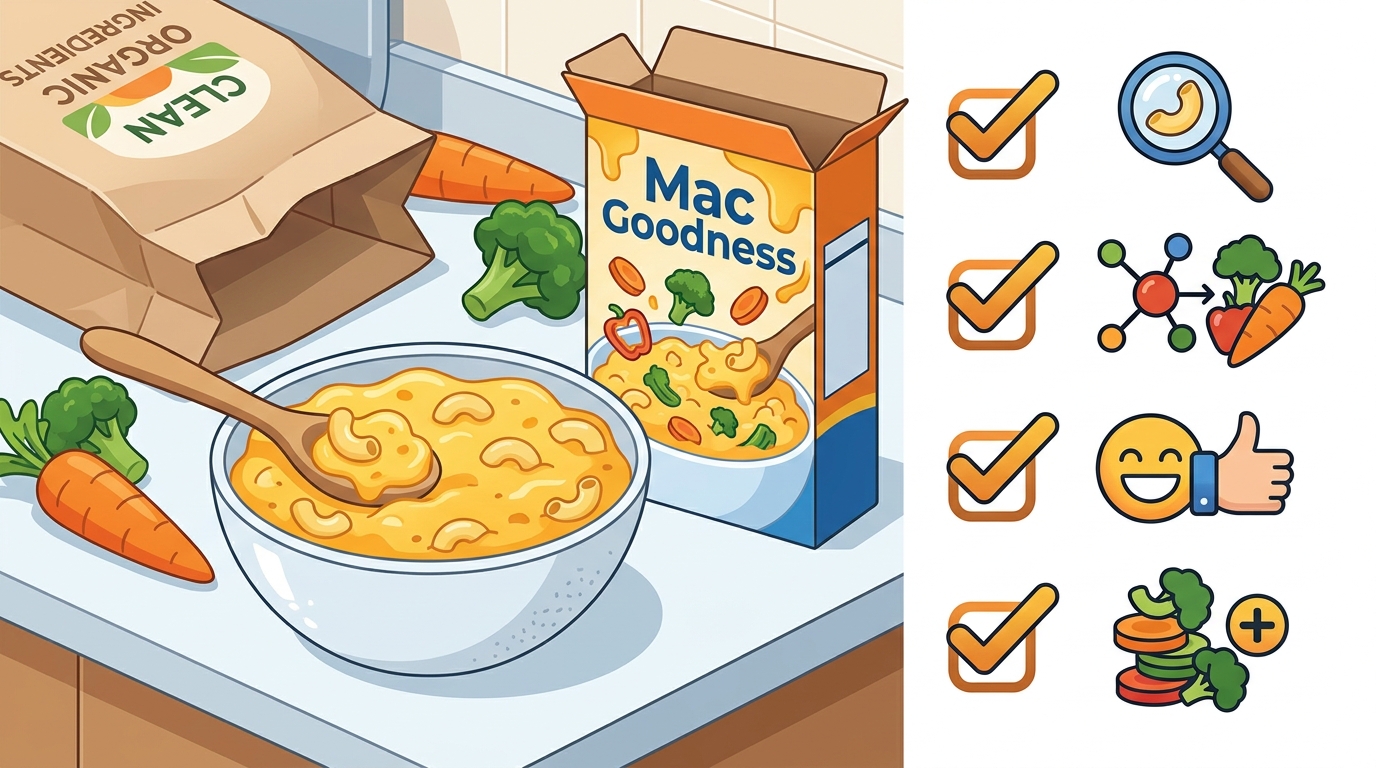
Introducing vegetables to picky eaters is a common challenge for parents. Clean mac and cheese allows for the integration of whole vegetables in a way that is visually and texturally subtle. For instance, the Purple Power flavor uses purple sweet potato to provide a vibrant color and natural sweetness. This approach allows children to consume vegetables without the resistance often associated with visible chunks or strong vegetable flavors. The use of real vegetables, rather than artificial colorings, ensures that the nutritional benefits are delivered in a form that is appealing to the child.
Long-Term Dietary Habits and Autonomy
Establishing healthy eating habits early is crucial for long-term dietary success. Harvard Health research suggests that picky eating tendencies can persist if not addressed early. By providing a clean, consistent option, parents can create a positive association with mealtime. This reduces the power struggle often seen with picky eaters and fosters a sense of autonomy. When children feel that their food choices are respected and that the food is safe and familiar, they are more likely to explore new foods over time.
Key Takeaways
- Clean mac and cheese reduces sensory triggers by eliminating artificial dyes and excessive sodium.
- Lower sodium levels help maintain a neutral palate, making it easier for children to accept other foods.
- Consistent texture from minimally processed pasta supports sensory acceptance in picky eaters.
- Whole vegetables can be integrated subtly, providing nutritional benefits without causing rejection.
- Transparent ingredient lists build trust between parents and children regarding food safety.
- Early intervention with clean options can help prevent long-term picky eating habits.
Frequently Asked Questions
Is clean mac and cheese better for picky eaters?
Clean mac and cheese is often better for picky eaters because it removes artificial additives that can trigger sensory rejection. The consistent texture and mild flavor profile make it more likely to be accepted by children who are sensitive to food changes.
How does sodium affect a picky eater's diet?
High sodium levels can skew a child's palate toward salty foods, making it harder for them to accept less salty options. Clean mac and cheese with lower sodium helps maintain a balanced taste preference.
Can picky eaters eat vegetables in mac and cheese?
Yes, clean mac and cheese often integrates whole vegetables in a subtle way. This allows children to consume vegetables without the resistance often associated with visible chunks or strong flavors.
What is the best texture for picky eaters?
A consistent, firm texture is generally preferred by picky eaters. Minimally processed pasta holds its shape better than highly processed alternatives, providing a reliable bite.
Does clean mac and cheese have fewer ingredients?
Yes, clean mac and cheese typically has a shorter ingredient list. This transparency allows parents to know exactly what is in the bowl, reducing the unknown variables that can make a child wary.
How can parents introduce clean mac and cheese to a picky eater?
Parents can introduce clean mac and cheese gradually, starting with a familiar flavor like classic cheddar. Offering it alongside other foods can help the child feel more comfortable trying the new option.
Conclusion
Clean mac and cheese offers a practical solution for parents navigating the challenges of picky eating. By focusing on sensory safety, lower sodium, and consistent texture, brands like Mac Goodness create a foundation for healthier eating habits. This approach not only addresses immediate mealtime struggles but also supports long-term dietary development. For parents seeking a reliable option, exploring the full range of flavors can help find the right fit for their child's unique preferences.