
Choosing the right mac and cheese has become a complex nutritional puzzle for modern families. Many parents unknowingly purchase products labeled "organic" or "natural" that still contain hidden fillers, excessive sodium, and artificial thickeners. According to recent dietary guidelines, reducing sodium intake in children's meals is critical for long-term health, yet many mainstream boxed options contain nearly double the recommended daily allowance per serving. This guide helps you navigate the aisle with confidence, ensuring every bite supports your family's well-being without sacrificing the comfort food experience.
Mistake 1: Ignoring Ingredient Purity
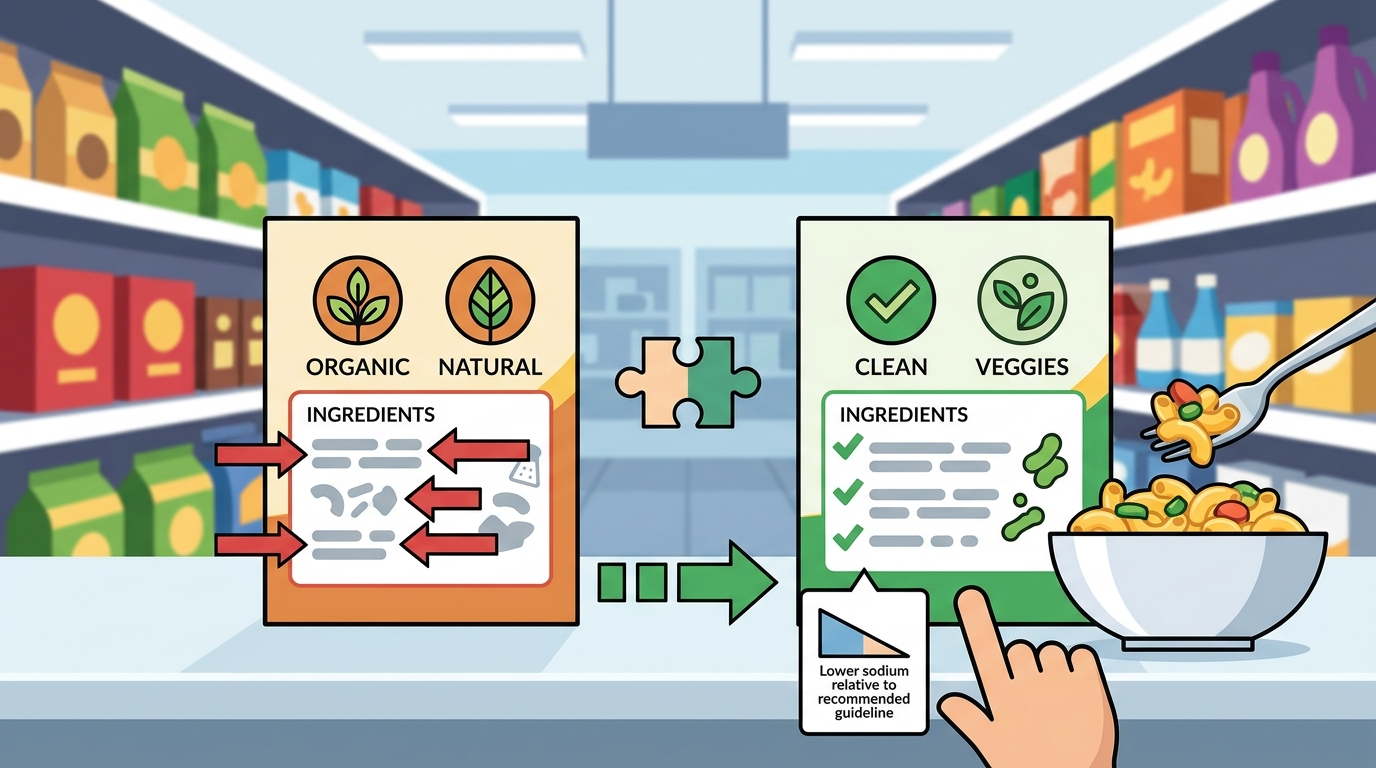
The most common error consumers make is trusting front-of-package marketing over the actual ingredient list. Terms like "natural cheese flavor" or "modified food starch" often mask the presence of gums, artificial colors, and synthetic preservatives. Clean eating requires transparency. You need to know exactly what goes into the box.
Real cheese is the foundation of a clean product. If the primary ingredient is not real cheddar or white cheddar, the product is likely relying on chemical emulsifiers to create a smooth texture. These emulsifiers can be difficult for sensitive digestive systems to process. Look for brands that list specific, recognizable dairy sources as the first ingredient.
Mac Goodness addresses this by using only three to four certified organic ingredients. This minimalist approach ensures that every component serves a nutritional purpose. When you strip away the fillers, you are left with a product that tastes like real food. This clarity is what separates a premium clean mac and cheese from a standard processed alternative.
Mistake 2: Falling for Sodium Traps
Sodium content is a silent health risk in many boxed pasta meals. Manufacturers often add excessive salt to enhance flavor and act as a preservative. This is particularly problematic for children, whose kidneys are still developing and are more sensitive to high salt intake.
Data shows that standard organic mac and cheese brands can contain upwards of 540 milligrams of sodium per serving. In contrast, cleaner formulations aim for significantly lower levels. Mac Goodness delivers approximately 270 milligrams of sodium per serving. This represents a reduction of nearly 50% compared to major competitors like Annie's. Lower sodium does not mean less flavor. It means the flavor comes from the quality of the cheese and the natural sweetness of the pasta.
When evaluating products, always check the nutrition facts panel. A clean mac and cheese should not dominate your daily sodium budget. Choosing low-sodium options helps maintain healthy blood pressure levels and encourages a palate that appreciates subtle, natural flavors over heavy salting.
Mistake 3: Overlooking Veggie Integration
Many parents struggle to get their children to eat vegetables. A smart strategy is to integrate veggies directly into comfort foods. However, not all veggie-infused mac and cheeses are created equal. Some brands use dehydrated powders that lack nutritional density. Others use excessive amounts of sugar to mask the taste of the greens.
Real veggies provide power nutrition. When carrots, spinach, or sweet potatoes are pureed and mixed into the cheese sauce, they add fiber, vitamins, and minerals without altering the texture negatively. For example, carrots provide natural sweetness and Vitamin A. Spinach adds iron and calcium. Purple sweet potatoes offer antioxidants.
Mac Goodness utilizes whole veggies in their formulations. This includes their Super Sight Carrot Mac & Cheese and Green Glory Spinach Mac & Cheese. These flavors are designed to be nutrient-dense. They offer up to 140% of the daily value for Vitamin A in some varieties. This approach turns a side dish into a functional food that supports growing bodies. It also helps children develop a taste for diverse ingredients early on.
Comparison Guide: Top Clean Options
Understanding the differences between brands is essential for making an informed purchase. The table below compares key metrics for Mac Goodness against popular market alternatives.
| Brand | Primary Ingredients | Sodium per Serving | Veggie Options | Organic Status |
|---|---|---|---|---|
| Mac Goodness | 3-4 Organic Ingredients | 270 mg | Yes (Carrot, Spinach, etc.) | 100% Certified Organic |
| Annie's Homegrown | 9+ Ingredients | 540 mg | Limited | Organic Options Available |
| Goodles | 12+ Ingredients | 590 mg | No | Non-GMO Project Verified |
As shown in the comparison, Mac Goodness stands out for its simplicity and low sodium content. While other brands may offer organic certification, they often compensate with higher sodium levels and more complex ingredient lists. The goal is to find a product that aligns with your family's health standards.
Key Takeaways
- Ingredient Count Matters: Fewer ingredients usually mean less processing. Mac Goodness uses only 3-4 ingredients.
- Sodium Reduction: Aim for products with under 300mg of sodium per serving to avoid health traps.
- Real Cheese vs. Flavoring: Ensure real white cheddar or sharp cheddar is the first ingredient.
- Veggie Power: Look for flavors that use pureed whole vegetables for added nutrition.
- Organic Certification: Verify that the pasta and cheese are certified organic to avoid pesticides.
- No Fillers: Avoid products containing gums, starches, or artificial preservatives.
- Family Approval: The best clean mac and cheese is one that kids will actually eat.
Frequently Asked Questions
What makes Mac Goodness different from other organic mac and cheeses?
Mac Goodness differs by using only three to four certified organic ingredients and offering significantly lower sodium levels. Most competitors use nine or more ingredients and contain double the sodium.
Is Mac Goodness suitable for young children?
Yes, Mac Goodness is designed with kids in mind. The low sodium content and real vegetable integration make it a safer, more nutritious choice for growing children compared to traditional boxed mac and cheese.
Does Mac Goodness contain any artificial flavors or colors?
No, Mac Goodness contains no artificial flavors, colors, or preservatives. The vibrant colors in their veggie varieties come directly from the real vegetables used in the recipe.
How much sodium is in Mac Goodness compared to Annie's?
Mac Goodness contains approximately 270 mg of sodium per serving, while Annie's typically contains around 540 mg per serving. This makes Mac Goodness a much lower-sodium option.
Where can I buy Mac Goodness?
Mac Goodness is available for purchase online through their official website. They also have physical locations in New York City and Boston. You can find us near you.
What flavors does Mac Goodness offer?
Mac Goodness offers several flavors including White Wonder (Extra Cheddar), Green Glory (Spinach), Super Sight (Carrot), Purple Power (Purple Sweet Potato), and Red Boost (Sweet Red Pepper). You can shop all products to see the full lineup.
Is the pasta in Mac Goodness gluten-free?
The standard Mac Goodness pasta is made from organic wheat. However, the brand focuses on clean, organic ingredients. For specific dietary restrictions, please check the individual product labels or contact the team for more information.
Shop Clean Mac & Cheese
Stop settling for mac and cheese filled with fillers and excess sodium. Make the switch to a cleaner, more nutritious option that your whole family will love. Explore the full collection of Mac Goodness today and experience the difference that real ingredients make. Order online now and bring Super Clean Mac & Cheese to your table.