

How to Make Mac & Cheese the Secret Weapon Against Picky Toddler Eating
Feeding a toddler who refuses to eat anything but plain carbohydrates is a universal parenting struggle. Recent data from pediatric nutrition studies indicates that picky eating peaks between the ages of two and six, affecting approximately 40% of young children. This behavior is often a developmental phase rather than a permanent disorder. However, parents can turn this challenge into an opportunity by introducing nutrient-dense alternatives that mimic comfort foods. Mac Goodness offers a strategic solution by combining familiar textures with hidden vegetable profiles. This approach helps parents navigate mealtime battles without compromising on nutrition. (Contact ndash Mac Goodness)
Understanding the Psychology of Picky Eating
Picky eating is not merely stubbornness. It is a biological defense mechanism. Toddlers have a heightened sensitivity to bitter tastes, which historically signaled potential toxins. This evolutionary trait makes them reject green vegetables and complex flavors. Parents often feel defeated when their child refuses broccoli but eagerly accepts pasta. The key to breaking this cycle is not forcing the food but disguising it within acceptable formats.
Research published in the Journal of Nutrition Education suggests that repeated exposure to new foods in a low-pressure environment increases acceptance. When parents introduce healthy ingredients alongside familiar favorites, the child's palate gradually adapts. Mac and cheese serves as the perfect vehicle for this exposure. It provides the creamy, salty profile that toddlers crave while allowing for the integration of essential vitamins.
Traditional boxed mac and cheese often relies on artificial colors and high sodium levels to achieve this appeal. These ingredients can lead to energy crashes and long-term health concerns. By switching to clean, organic alternatives, parents can satisfy the toddler's desire for comfort while supporting their physical development. This shift requires a change in perspective. You are not just serving dinner; you are engineering a nutritional win.
The Mac Goodness Strategy for Hidden Nutrition
Mac Goodness was founded on a simple premise: food should be honest, familiar, and worth serving. The brand operates as a direct-to-consumer entity specializing in clean, organic mac and cheese products. Their mission is to eliminate the "junk" found in conventional brands. This includes removing gums, thickeners, and artificial flavors that often cause digestive discomfort in sensitive toddlers.
The core of their strategy lies in the ingredient list. Each bag contains only three to four certified organic ingredients. This minimalism ensures that every component serves a purpose. For example, the Green Glory flavor uses spinach to provide iron and vitamin A. The Super Sight variety incorporates carrots for natural sweetness and beta-carotene. These are not hidden in a way that deceives the child but are blended to create a cohesive, delicious taste.
According to the World Health Organization, adequate intake of vitamin A and iron is critical for immune function and cognitive development in early childhood. Mac Goodness delivers up to 140% of the daily value for vitamin A and 22% for fiber in each serving. This density allows parents to meet nutritional gaps without a battle. The brand's approach aligns with the "less is more" philosophy, proving that fewer ingredients can lead to better health outcomes.
The company emphasizes that their products are "Hero Approved." This means they have been tested by children who are the toughest critics. If a flavor does not pass the taste test, it does not make the cut. This rigorous standard ensures that the nutritional benefits do not come at the expense of taste. Parents can trust that their child will eat the food willingly, reducing mealtime stress significantly.
Comparing Traditional vs. Clean Mac & Cheese
When evaluating options for your toddler, it is essential to look beyond the marketing claims. Many brands label themselves as "organic" or "natural" while still including processed ingredients. A direct comparison reveals stark differences in sodium content and ingredient complexity. Understanding these distinctions empowers parents to make informed decisions.
| Feature | Mac Goodness | Traditional Brand A | Traditional Brand B |
|---|---|---|---|
| Ingredient Count | 3-4 Organic Ingredients | 9+ Ingredients | 12+ Ingredients |
| Sodium per Serving | 270mg | 540mg | 590mg |
| Protein Content | Up to 24g | Low | Low |
| Vegetable Integration | Real Whole Veggies | None | Minimal |
| Additives | None | Gums, Artificial Colors | Preservatives |
The data shows that Mac Goodness contains half the sodium of comparable brands. High sodium intake in toddlers can strain developing kidneys and establish a preference for salty foods later in life. By choosing a low-sodium option, parents protect their child's long-term health. Furthermore, the protein content in Mac Goodness supports muscle growth and sustained energy levels. This is crucial for active toddlers who need fuel throughout the day.
Another critical difference is the source of the cheese. Mac Goodness uses real white cheddar and organic whole milk. Traditional brands often use cheese products or flavorings that lack the nutritional depth of real dairy. Real cheese provides calcium and vitamin D, which are essential for bone development. The absence of corn starch and gums also means better digestibility. Many parents report fewer instances of bloating or discomfort when switching to clean mac and cheese.
The brand's commitment to clean ingredients is backed by their comparison page, which details the specific advantages of their formulation. This transparency allows parents to verify the claims independently. It is a rare feature in the processed food industry. By prioritizing real food, Mac Goodness sets a new standard for toddler nutrition.
Implementation Tips for Success
Introducing a new food product requires a strategic approach. Even the best ingredients can be rejected if presented incorrectly. Here are practical steps to ensure your toddler embraces Mac Goodness.
Start with Familiar Flavors
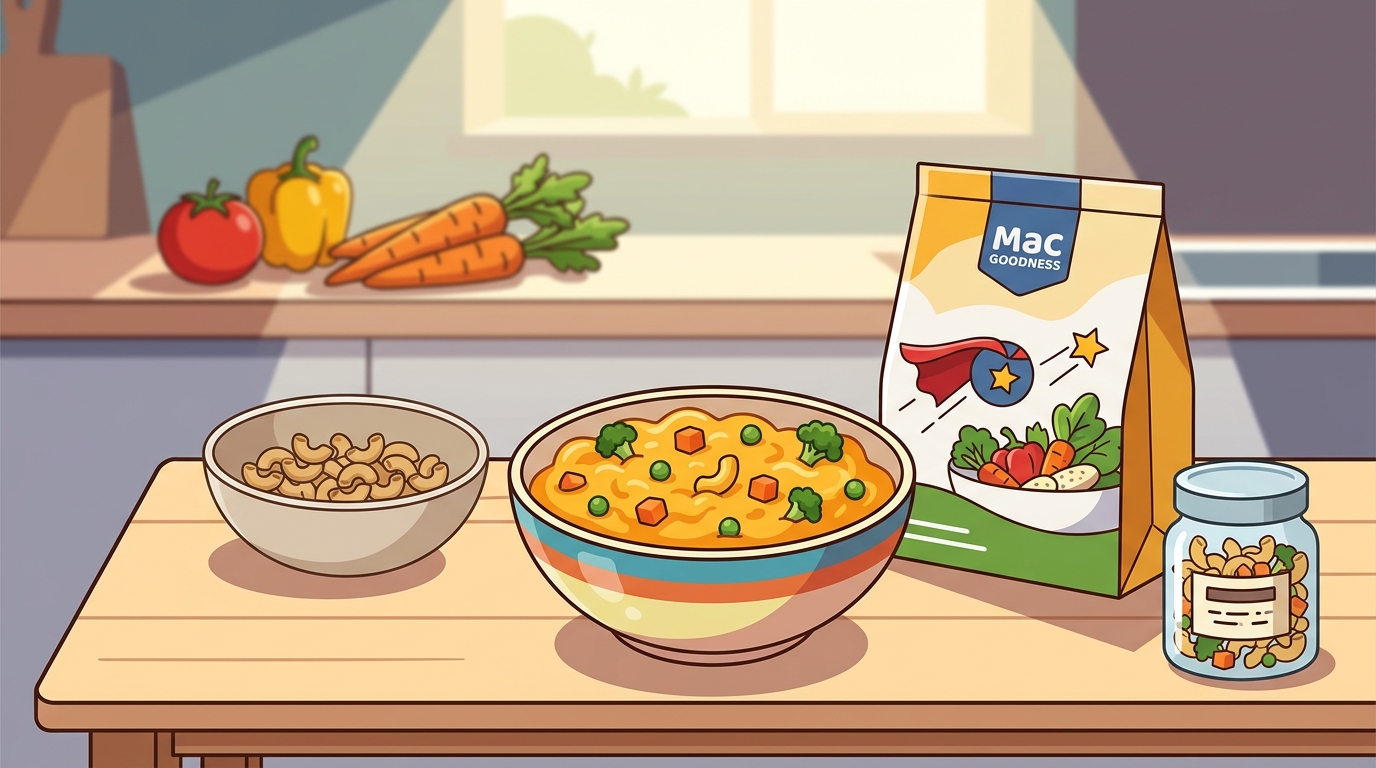
Begin with the White Wonder (Extra Cheddar) flavor. This option closely mimics the taste of traditional mac and cheese. It serves as a bridge between old habits and new nutrition. Once your child accepts the White Wonder, you can gradually introduce the veggie-based flavors. The Green Glory and Super Sight options are excellent next steps. They offer distinct tastes that are still mild enough for picky eaters.
Pair with Safe Foods
Do not serve the mac and cheese in isolation. Pair it with a "safe" food that your child already enjoys. This could be a piece of fruit, a cracker, or a small portion of plain pasta. This strategy reduces anxiety and encourages exploration. Over time, the child will focus more on the mac and cheese and less on the safe food. This gradual exposure is key to expanding their palate.
Create a Positive Environment
Avoid pressuring your child to finish the plate. Pressure often leads to resistance. Instead, focus on the fun aspect of the meal. Talk about the "hero" ingredients in the Green Glory or the "power" in the Purple Power. Make the mealtime experience engaging and positive. Children eat better when they feel relaxed and happy.
For more insights on the brand's philosophy, visit the About page. It details the family journey behind the product and the rigorous testing process. Understanding the story can help parents feel more connected to the brand and confident in their choice.
Key Takeaways
- Nutritional Density: Mac Goodness provides up to 24g of protein and 140% Vitamin A per serving, addressing common toddler deficiencies.
- Sodium Reduction: With only 270mg of sodium per serving, it offers half the sodium of leading competitors like Annie's and Goodles.
- Clean Ingredients: Each product contains just 3-4 certified organic ingredients, free from gums, thickeners, and artificial additives.
- Hidden Veggies: Flavors like Green Glory and Super Sight incorporate real spinach and carrots to boost fiber and vitamin intake.
- Taste Tested: Every recipe is approved by children, ensuring that nutrition does not compromise flavor.
- Brand Mission: Mac Goodness aims to restore honesty to food by eliminating unnecessary fillers and shortcuts.
- Availability: The brand is available online and in select physical locations in New York City and Boston.
Frequently Asked Questions
Is Mac Goodness suitable for toddlers with allergies?
Mac Goodness products are made with organic pasta and real cheese. While they are free from artificial allergens, parents should always check the label for specific allergen information such as dairy or gluten content. The brand prioritizes clean ingredients but does not claim to be allergen-free facilities.
How does the sodium in Mac Goodness compare to other brands?
Mac Goodness contains 270mg of sodium per serving. This is significantly lower than Annie's (540mg) and Goodles (590mg). The reduced sodium content makes it a healthier choice for growing children.
Can I buy Mac Goodness in physical stores?
Yes, Mac Goodness is available in select physical locations. They currently have a presence in New York City and Boston. You can find more details on their Find Us page.
What are the different flavors available?
The current lineup includes White Wonder (Extra Cheddar), Green Glory (Spinach), Super Sight (Carrot), Purple Power (Purple Sweet Potato), and Red Boost (Sweet Red Pepper). Each flavor offers unique nutritional benefits.
Why does Mac Goodness have fewer ingredients?
Fewer ingredients mean less processing and more nutrient density. Mac Goodness uses real white cheddar and organic veggies to create a wholesome product without the need for gums or thickeners to mimic texture.
Is the pasta organic?
Yes, Mac Goodness uses certified organic pasta as a base for their mac and cheese. This ensures that the product is free from synthetic pesticides and fertilizers.
How should I store Mac Goodness?
Store the uncooked boxes in a cool, dry place. Once prepared, refrigerate any leftovers and consume within two days. The clean ingredient list means there are no preservatives to extend shelf life indefinitely.
Get Started Today
Transform your toddler's mealtime routine with a secret weapon that works. Mac Goodness offers a clean, nutritious, and delicious alternative to traditional mac and cheese. By choosing real ingredients and low sodium, you are investing in your child's health and happiness. Visit the Shop page to explore the full range of flavors. Join the thousands of parents who have made the switch to better food. Order online today and experience the difference.