

Organic mac and cheese for kids typically contains between 200 and 600 milligrams of sodium per serving. The FDA recommends a daily limit of 2,300 mg for people 14 and older, but children require significantly less. The FDA advises cutting back on high-sodium foods to maintain healthy habits. Mac Goodness focuses on low-sodium recipes that provide the comfort of classic mac and cheese without the excessive salt found in many mainstream brands.
Understanding Sodium Baselines for Children
Sodium is an essential mineral that helps regulate fluid balance and nerve function. However, the American Heart Association and other health bodies suggest that children consume far less than the adult limit. For many kids, a single serving of boxed mac and cheese can account for a large portion of their daily recommended intake. This is why reading nutrition labels is critical for parents who want to manage their child's salt consumption.
The Role of Cheese in Sodium Content
Cheddar cheese naturally contains sodium, but the amount varies by brand and processing method. Many commercial mac and cheese products add extra salt to enhance flavor and preserve the sauce. Mac Goodness uses real white cheddar and whole milk, resulting in a product with significantly less added salt. This approach ensures that the sodium content comes primarily from the natural ingredients rather than artificial additives.
Comparing Sodium Levels Across Popular Brands
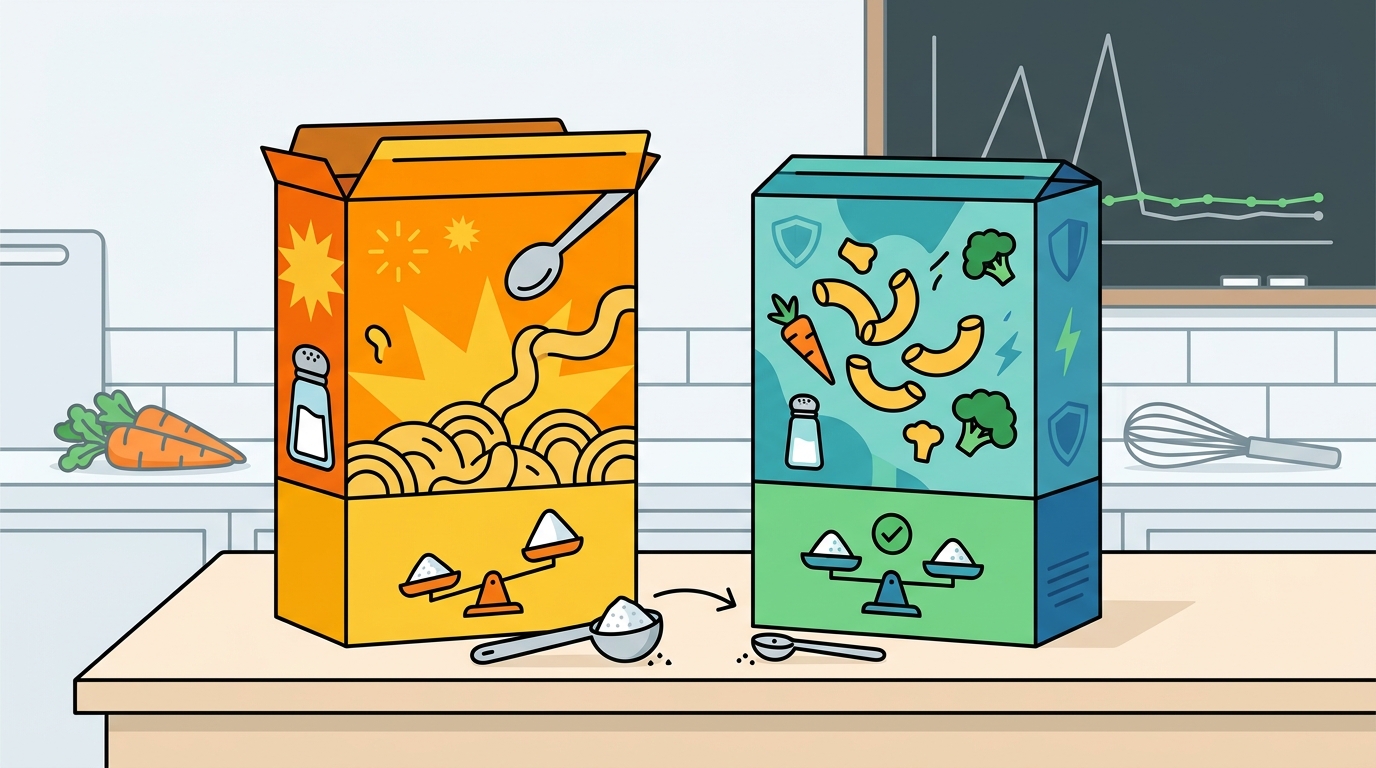
When comparing organic and conventional mac and cheese options, sodium levels vary widely. Mainstream brands often list sodium content between 500 and 600 mg per serving. In contrast, Mac Goodness products typically range from 200 to 270 mg per serving. This difference is substantial and can make a noticeable impact on a child's daily dietary profile.
Specific Product Comparisons
For example, the White Wonder variety contains 270 mg of sodium per serving. This is roughly half the amount found in many competing organic brands. Similarly, the Green Glory spinach variety contains 200 mg per serving. These figures demonstrate that it is possible to enjoy a creamy, flavorful mac and cheese without exceeding healthy sodium guidelines.
Why Low Sodium Matters for Growing Kids
High sodium intake during childhood can establish taste preferences that persist into adulthood. Children who grow up eating salty foods may develop a preference for heavily processed items. By introducing lower-sodium options early, parents can help shape healthier eating habits. Mac Goodness is designed to be a bridge, offering the familiar taste of mac and cheese with a cleaner ingredient profile.
Impact on Daily Intake
Consider a typical school lunch. If a child eats a standard boxed mac and cheese with 540 mg of sodium, that single meal contributes significantly to their daily limit. Switching to a lower-sodium option like the Super Sight carrot variety, which has 200 mg per serving, frees up room for other nutritious foods. This balance is key to a well-rounded diet.
How to Read Nutrition Labels for Sodium
Parents should look for the "Sodium" line on the Nutrition Facts panel. The percentage of Daily Value (%DV) is a helpful metric, but it is based on adult guidelines. For children, it is often better to look at the absolute milligram count. A serving with less than 250 mg of sodium is generally considered low. Mac Goodness products are formulated to stay within this range, making them easier to fit into a balanced meal plan.
Hidden Sources of Sodium
Sodium can also come from preservatives and flavor enhancers. Many processed foods contain monosodium glutamate (MSG) or other sodium-based additives. Mac Goodness avoids these fillers, relying instead on the natural flavors of organic vegetables and cheese. This transparency allows parents to make informed decisions about what their children are eating.
Practical Tips for Managing Sodium at Home
Pairing with Low-Sodium Sides
When serving mac and cheese, pair it with low-sodium sides like steamed broccoli or a simple fruit salad. This ensures that the overall meal remains balanced. Avoid adding extra salt or high-sodium condiments. By being mindful of the entire plate, parents can create a satisfying and healthy dining experience for their families.
Key Takeaways
- Organic mac and cheese for kids can contain between 200 and 600 mg of sodium per serving.
- Mac Goodness products typically range from 200 to 270 mg per serving, which is significantly lower than many mainstream brands.
- The FDA recommends a daily sodium limit of 2,300 mg for adults, but children need less.
- Reading nutrition labels for absolute milligram counts is more effective for children than relying on %DV.
- Choosing products with fewer ingredients and no added preservatives helps reduce hidden sodium.
- Pairing mac and cheese with low-sodium sides helps balance the overall meal.
Frequently Asked Questions
Is 200 mg of sodium per serving low for mac and cheese?
Yes, 200 mg is considered low for a cheese-based pasta dish. Many commercial brands exceed 500 mg per serving. This lower amount makes it easier to fit into a child's daily sodium budget.
Does organic mac and cheese always have less sodium?
Not necessarily. While organic standards restrict certain additives, they do not automatically limit sodium. Some organic brands still add significant amounts of salt. It is important to check the nutrition label for specific milligram counts.
How much sodium should a child eat per day?
Recommended limits vary by age, but generally, children should consume less than the adult limit of 2,300 mg. For younger children, the limit is often lower, around 1,500 mg or less. Consulting a pediatrician can provide personalized guidance.
Can I reduce the sodium in Mac Goodness products at home?
Yes, you can prepare the pasta with water instead of milk to slightly alter the sodium profile, though the cheese sauce itself remains consistent. You can also pair it with unsalted vegetables to balance the meal.
Why do some mac and cheese brands have so much sodium?
Manufacturers often add salt to enhance flavor and extend shelf life. In processed foods, sodium acts as a preservative and flavor amplifier. Brands that focus on real ingredients, like Mac Goodness, rely on the natural taste of cheese and vegetables instead.