
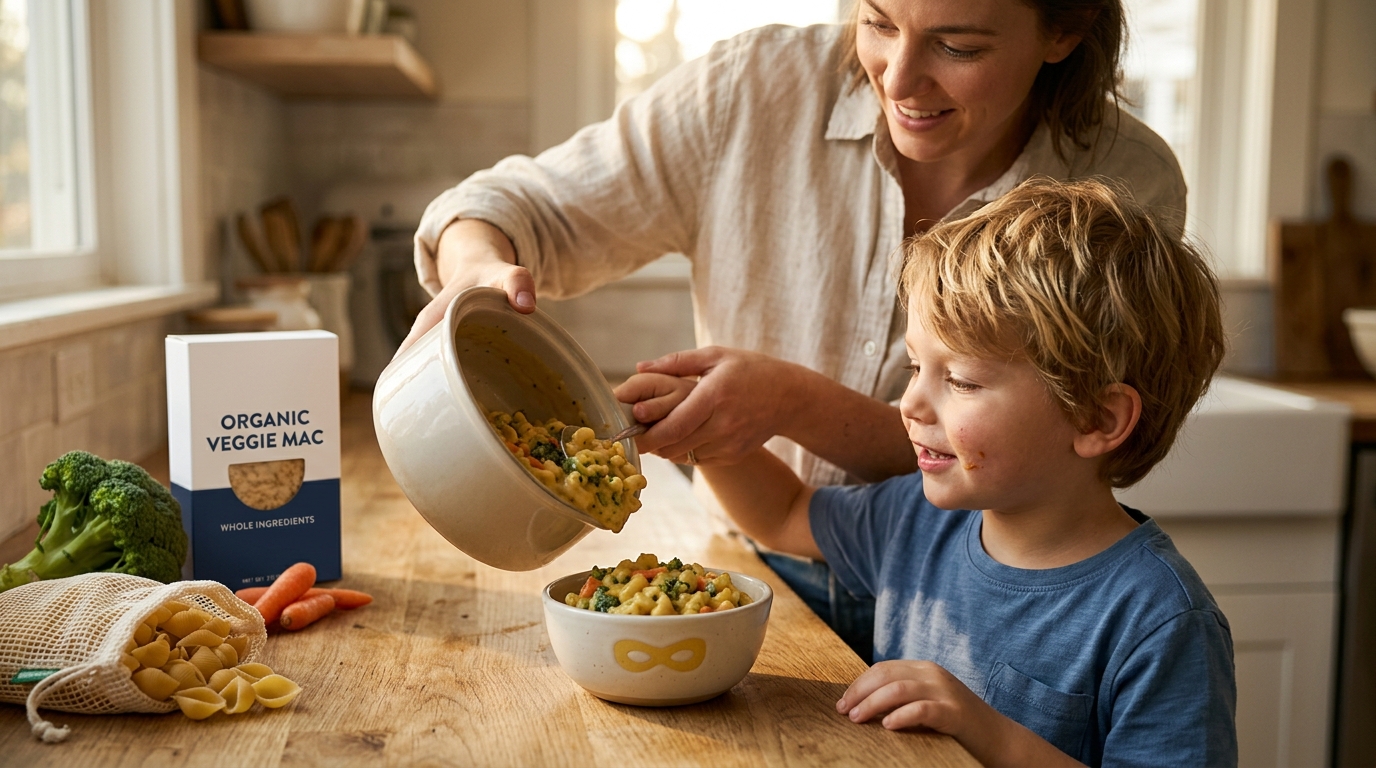
Choosing the healthiest boxed mac and cheese for kids requires prioritizing simple organic ingredients, nutrient-dense vegetable additions, and low sodium levels. Mac Goodness creates clean, organic mac and cheese options designed for families who want to avoid fillers and artificial additives. This guide explores how to evaluate boxed pasta products by examining ingredient lists, nutritional profiles, and processing methods. We will break down the specific criteria that help parents make informed decisions for their children's meals.
Organic Simple Ingredients
Ingredient simplicity is the primary indicator of food quality in boxed pasta products. A clean label typically contains a short list of recognizable items. Organic simple ingredients are agricultural products grown without synthetic pesticides or fertilizers. When evaluating boxed mac and cheese, look for products that list whole food components rather than processed derivatives. Complex ingredient lists often signal the presence of gums, preservatives, and artificial flavor systems that mask the taste of low-quality base ingredients.
The Importance of Whole Foods
Whole foods retain their natural nutritional structure. Durum wheat semolina pasta is a standard base for high-quality macaroni. It is a hard wheat variety that holds its shape well during cooking. Real cheese, such as white cheddar, provides natural protein and calcium. When a product uses real cheese and whole milk, it avoids the need for artificial thickeners and stabilizers. These additives are common in mass-produced boxed options to extend shelf life and improve texture without using quality dairy.
Identifying Hidden Fillers
Parents should scrutinize labels for non-food additives. Common fillers include modified food starch, cellulose gum, and carrageenan. These ingredients serve no nutritional purpose and are used to modify texture. Artificial colors and flavors are also red flags. A product that relies on a short ingredient list, such as pasta, cheese, milk, and a vegetable, is generally easier to understand and trust. Mac Goodness focuses on this approach by using a minimal number of organic ingredients in its lineup.
Nutrient Dense Additions
Vegetable integration is a key strategy for enhancing the nutritional value of boxed mac and cheese. Nutrient dense additions are ingredients that provide vitamins, minerals, and fiber in concentrated amounts. Adding vegetables to pasta dishes can help increase the intake of essential nutrients that children often lack. The color of the pasta can indicate the type of vegetable used, which helps parents identify the specific nutritional benefits.
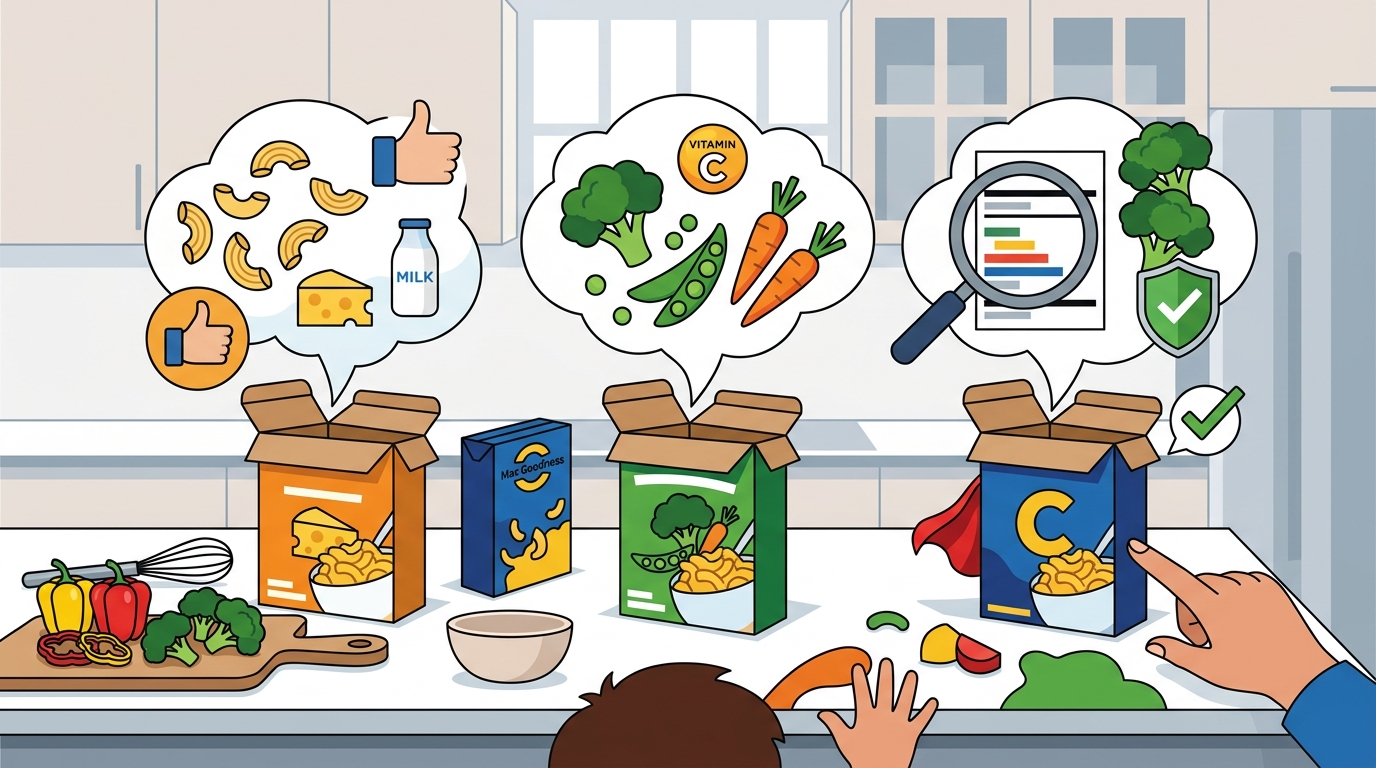
Vegetable Varieties and Benefits
Color and Natural Dyes
The vibrant colors in these products come from the vegetables themselves. This is a significant distinction from products that use synthetic dyes. Natural pigments like chlorophyll in spinach or beta-carotene in pumpkin provide color without adding artificial chemicals. This approach ensures that the visual appeal of the food is tied to its nutritional content. It also helps children associate colorful foods with positive eating experiences.
Sodium Levels
Sodium content is a critical factor in evaluating the healthiness of boxed mac and cheese. Sodium levels refer to the amount of salt present in a food product, measured in milligrams. High sodium intake is a concern for children, as their kidneys are still developing. The American Heart Association recommends limiting sodium intake for children, with specific guidelines based on age. Boxed pasta products often contain high levels of sodium to enhance flavor and preserve the product.
Comparing Sodium Content
Parents should compare the sodium content per serving across different brands. Many traditional boxed mac and cheese products contain over 500 milligrams of sodium per serving. Some products even exceed 1,000 milligrams. In contrast, products designed with clean ingredients often have significantly lower sodium levels. For example, some organic options contain around 200 to 270 milligrams per serving. This difference is substantial and can impact a child's daily sodium intake.
Why Lower Sodium Matters
Reducing sodium intake helps support healthy blood pressure development in children. It also reduces the risk of developing a preference for overly salty foods. When children are accustomed to highly processed, salty foods, they may reject less processed options. Choosing products with lower sodium levels helps train their palate to appreciate the natural flavors of cheese and vegetables. This is a long-term benefit for their dietary habits.
Comparison of Boxed Options
The following table summarizes the key differences between a clean, organic option and typical mass-produced boxed mac and cheese products. This comparison helps illustrate the impact of ingredient choices on nutritional quality.
| Feature | Clean Organic Option (e.g., Mac Goodness) | Typical Mass-Produced Option |
|---|---|---|
| Ingredients | 3-4 organic ingredients | 9-12+ ingredients including fillers |
| Sodium per Serving | 200-270 mg | 500-1,000+ mg |
| Processing Level | Low | High |
| Vegetable Content | Real organic vegetables | Often none or artificial colors |
| Artificial Additives | None | Common (gums, dyes, flavors) |
Key Takeaways
- Look for products with a short ingredient list featuring whole foods like pasta, cheese, and milk.
- Choose options that use real vegetables for color and nutrition, avoiding synthetic dyes.
- Compare sodium levels per serving, aiming for products with less than 300 mg.
- Organic ingredients are grown without synthetic pesticides, offering a cleaner profile.
- Vegetable-based flavors like spinach, carrot, and purple sweet potato add specific nutrients.
- Lower sodium content helps support healthy blood pressure and reduces salty taste preferences.
- Minimal processing preserves the natural nutritional structure of the ingredients.
- Mac Goodness offers a range of organic, vegetable-powered options for families.
Frequently Asked Questions
What are the main ingredients in clean boxed mac and cheese?
Clean boxed mac and cheese typically contains durum wheat semolina pasta, real cheese, whole milk, and sometimes a vegetable. These ingredients are simple and recognizable, without the addition of gums, preservatives, or artificial flavors.
How much sodium is too much for kids in boxed mac and cheese?
There is no single threshold, but lower is generally better. Many mass-produced products contain over 500 mg per serving. Aiming for products with 200 to 300 mg per serving can help keep daily sodium intake in check.
Do vegetable-based mac and cheese products actually contain vegetables?
Yes, high-quality products use real organic vegetables like spinach, carrots, or sweet potatoes. These vegetables provide natural color and nutrients, unlike products that use artificial dyes.
Is organic mac and cheese always healthier?
Organic certification ensures the ingredients are grown without synthetic pesticides. However, parents should still check the full ingredient list and nutrition facts, as some organic products may still contain high sodium or added sugars.
How can I get my kids to eat vegetable mac and cheese?
Introduce new flavors gradually. Start with milder options like carrot or pumpkin, which have a gentle sweetness. Involve children in the preparation process, such as stirring the sauce, to increase their interest.
Where can I find clean boxed mac and cheese?
Clean options are often available in specialty grocery stores and online. Mac Goodness is available at select retailers in Greater Boston and New York City, as well as through their online store.
What is the difference between processed and minimally processed mac and cheese?
Processed mac and cheese often contains many additives to extend shelf life and improve texture. Minimally processed options use fewer ingredients and rely on the natural qualities of the base components.
Conclusion
Selecting the healthiest boxed mac and cheese for kids involves a careful review of ingredients, nutrients, and sodium content. By prioritizing products with simple organic ingredients, real vegetable additions, and lower sodium levels, parents can provide a more nutritious option for their children. Mac Goodness offers a range of flavors that align with these criteria, providing a clean and enjoyable meal choice. For more information on where to purchase these products, you can find a store near you or explore the full product lineup. Making informed choices at the grocery store is a small step that can have a significant impact on your family's long-term health.