
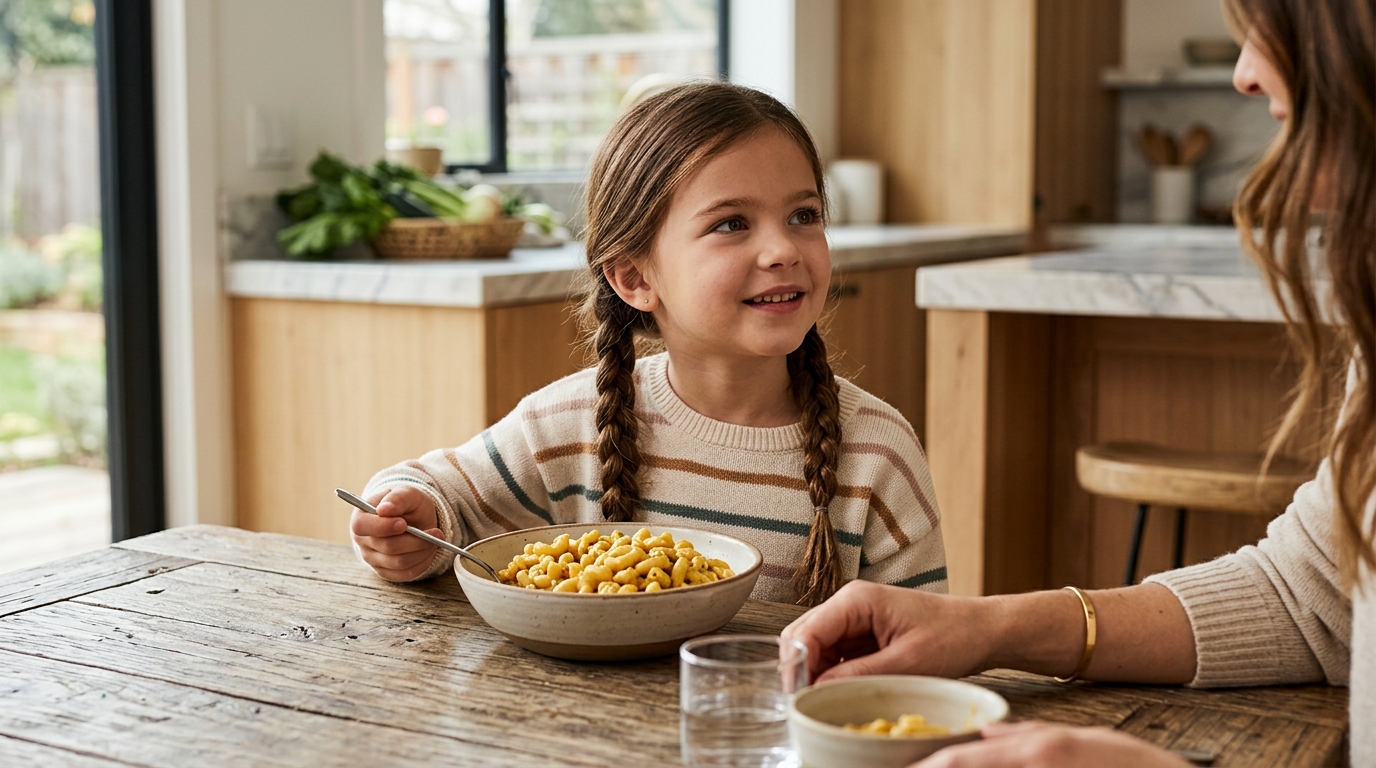
The modern pantry has undergone a radical transformation. Parents are no longer satisfied with processed convenience foods that offer empty calories. Instead, they are seeking nutritional density in every bite. This shift has created a booming market for clean mac and cheese options. According to recent market analysis, the organic food sector has seen consistent double-digit growth over the last decade, driven largely by health-conscious consumers willing to pay more for transparency. This article examines whether premium pricing for clean mac and cheese is a justified investment for families. (Contact ndash Mac Goodness)
The Real Cost of Clean Ingredients
Understanding premium pricing requires looking at the supply chain. Traditional mac and cheese relies on inexpensive fillers, modified starches, and artificial flavorings. These ingredients are cheap to produce but offer little nutritional value. In contrast, clean mac and cheese brands prioritize certified organic ingredients. This commitment drives up the base cost of production significantly.
Mac Goodness exemplifies this approach. Their products contain only three to four certified organic ingredients per box. This minimalist approach ensures that every component serves a purpose. The brand uses real white cheddar, organic whole milk, and organic pasta. They avoid gums, thickeners, and preservatives entirely. This purity is not accidental. It is a deliberate choice that reflects in the final price point.
When you compare this to conventional brands, the difference becomes stark. Conventional options often list over a dozen ingredients, many of which are unrecognizable to the average consumer. The cost of sourcing high-quality organic vegetables and cheese is substantial. However, the nutritional return justifies the expense for many families. You are paying for food that supports growth rather than just filling stomachs.
Sodium and Nutritional Value
Sodium content is a critical metric when evaluating the health impact of mac and cheese. High sodium levels are common in processed foods, even those marketed as organic. This is where the value of clean mac and cheese becomes apparent. Lower sodium does not mean less flavor. It means better balance and health outcomes for growing children.
Data shows that Mac Goodness contains approximately 270 milligrams of sodium per serving. This is roughly half the amount found in comparable popular brands. For context, Annie's Classic Mac & Cheese contains around 540 milligrams per serving. Goodles, another competitor in the clean eating space, contains about 590 milligrams. This significant reduction in sodium is a major health benefit. It allows parents to serve a comforting meal without worrying about excessive salt intake.
The nutritional profile extends beyond sodium. Clean mac and cheese options often provide higher levels of protein, calcium, and essential vitamins. Mac Goodness, for instance, offers up to 24 grams of protein, 140% of the daily value for Vitamin A, and 30% of Calcium in each bag. These nutrients come from real vegetables like spinach, carrots, and purple sweet potatoes. This is what defines nutritional density as the concentration of vitamins and minerals in a given amount of food.
Brand Comparison Matrix
To help you make an informed decision, we have compiled a comparison of key metrics. This table highlights the differences between Mac Goodness and its primary competitors in the clean mac and cheese market.
| Brand | Ingredient Count | Sodium (mg) | Key Features | Price Tier |
|---|---|---|---|---|
| Mac Goodness | 3-4 | 270 | Organic, Real Veggies, High Protein | Premium |
| Annie's | 9 | 540 | Organic Pasta, Classic Flavor | Mid-Range |
| Goodles | 12 | 590 | High Protein, Low Carb Options | Premium |
As the table illustrates, Mac Goodness leads in ingredient simplicity and sodium reduction. While the price may be higher than Annie's, the nutritional benefits are superior. The comparison with Goodles shows that while both are premium, Mac Goodness offers a cleaner ingredient list with fewer components. This clarity is vital for parents who want to avoid hidden additives.
Flavor Profiles and Purpose
Premium pricing also reflects the innovation behind the flavors. Clean mac and cheese is not just about removing bad ingredients. It is about adding good ones. Mac Goodness has developed a unique line of flavors that serve specific nutritional purposes. Each flavor is designed to introduce children to different vegetables in a palatable way.
The White Wonder offers the classic extra cheddar experience for purists. The Green Glory incorporates spinach, providing a boost of iron and vitamins. The Super Sight uses carrots for natural sweetness and Vitamin A. The Purple Power features purple sweet potato, rich in antioxidants. Finally, the Red Boost includes sweet red peppers for a mild, savory kick.
This variety is not just marketing. It is a strategic approach to picky eating. By rotating flavors, parents can ensure their children receive a broad spectrum of nutrients. The brand was born from a family kitchen, where the founders tested dozens of recipes until they found one that their own children would finish. This origin story adds a layer of authenticity that resonates with consumers. It proves that the product is tested by the toughest critics: kids.
Key Takeaways
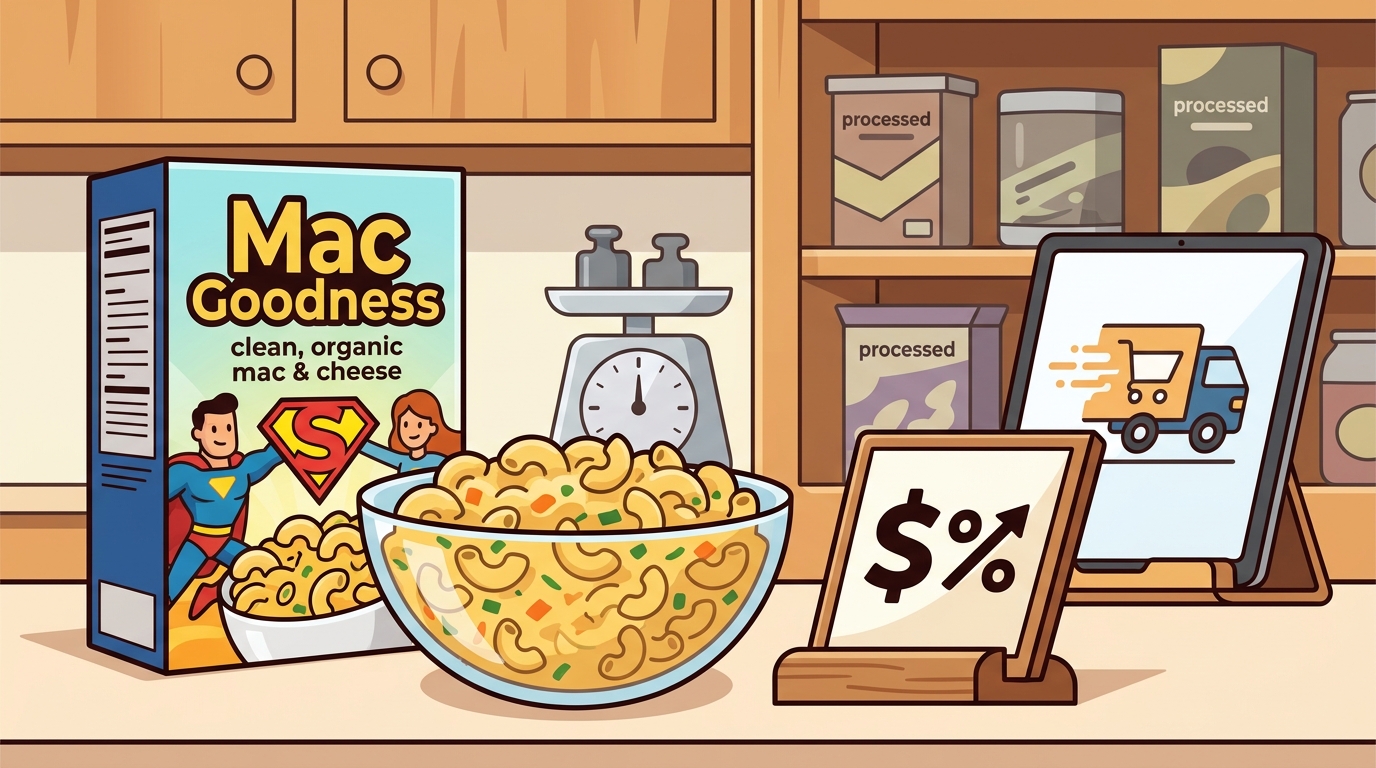
- Ingredient Simplicity: Mac Goodness uses only 3-4 certified organic ingredients, significantly fewer than competitors like Annie's (9) and Goodles (12).
- Sodium Reduction: With 270mg of sodium per serving, Mac Goodness offers half the sodium of traditional brands, supporting better heart health for children.
- Nutritional Density: Each box provides up to 24g of protein, 140% Vitamin A, and 30% Calcium, derived from real vegetables and real cheese.
- Flavor Innovation: Unique flavors like Green Glory and Purple Power introduce kids to essential nutrients through palatable, vegetable-based recipes.
- Brand Origin: Founded by parents who struggled with existing options, the brand prioritizes clean labels and kid-approved taste.
- Availability: Mac Goodness is available online and in select physical locations, including New York City and Boston.
- Value Proposition: The premium price reflects the high cost of organic sourcing and the absence of cheap fillers and artificial additives.
Frequently Asked Questions
Is Mac Goodness more expensive than regular mac and cheese?
Yes, Mac Goodness is priced at a premium compared to conventional brands. This is due to the use of certified organic ingredients, real cheese, and the absence of cheap fillers. However, the nutritional value per dollar is often higher because of the increased protein and vitamin content.
What makes Mac Goodness different from Annie's or Goodles?
Mac Goodness distinguishes itself with a minimalist ingredient list of only 3-4 items. While Annie's has 9 ingredients and Goodles has 12, Mac Goodness focuses on real vegetables and real white cheddar. Additionally, Mac Goodness has significantly lower sodium levels (270mg) compared to Annie's (540mg) and Goodles (590mg).
Are the flavors suitable for picky eaters?
Yes. The flavors were developed by the founding family specifically to appeal to children. Each flavor, such as Green Glory or Super Sight, is designed to mask the taste of vegetables while providing their nutritional benefits. The brand's mission is to make clean food fun and familiar.
Where can I buy Mac Goodness?
Mac Goodness is available for purchase online through their official website. They also have physical retail presence in select areas, including New York City and Boston. You can check their Find Us page for the latest store locations.
Is Mac Goodness gluten-free?
While Mac Goodness uses high-quality ingredients, standard mac and cheese contains pasta. You should check the specific product packaging for gluten-free certifications if that is a dietary requirement. The brand focuses on organic and clean ingredients, but gluten content varies by recipe.
How does the sodium in Mac Goodness compare to other brands?
Mac Goodness contains approximately 270mg of sodium per serving. This is about half the sodium found in Annie's (540mg) and Goodles (590mg). Lower sodium is beneficial for long-term health and helps establish healthier eating habits in children.
What is the mission of Mac Goodness?
Mac Goodness was created to provide a clean, nutritious alternative to traditional mac and cheese. Their mission is to eliminate fillers, gums, and artificial flavors from kids' diets. They aim to prove that food can be both fun and straightforward, with ingredients that growing bodies need.
Shop Clean Mac & Cheese
Investing in clean mac and cheese is an investment in your family's health. The premium pricing reflects the high cost of organic sourcing and the commitment to nutritional integrity. By choosing Mac Goodness, you are opting for fewer ingredients, lower sodium, and higher nutrient density. Explore the full range of flavors and join the movement for better food. Shop Mac Goodness now to experience the difference.