
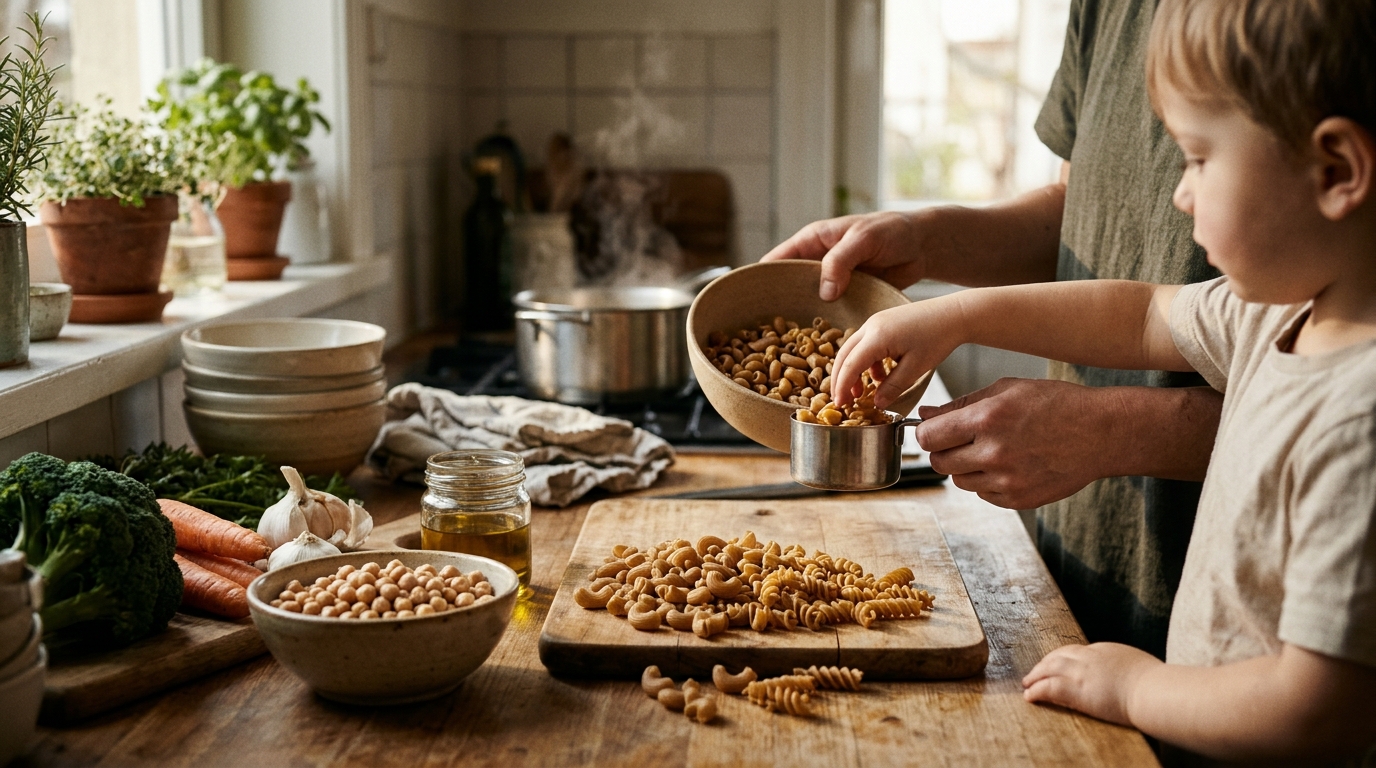
Yes, Banza chickpea pasta is a strong alternative to Goodles for families seeking a plant-based, gluten-free mac and cheese. It offers a familiar texture and high protein content, making it a practical choice for picky eaters. However, parents should weigh its ingredient list against their specific dietary goals, as it differs significantly from traditional dairy-based options. This guide helps you decide if Banza fits your family's needs.
The Rise of Chickpea Pasta in Family Kitchens
Chickpea pasta is a type of pasta made primarily from chickpea flour and water. This simple ingredient profile has driven its popularity among parents looking for gluten-free options. Unlike traditional wheat pasta, it does not contain gluten, which is a key distinction for families managing dietary restrictions. The texture is often described as slightly denser than wheat pasta, but it holds up well in sauces.
Banza is one of the most recognized brands in this category. Their macaroni shape is specifically designed to mimic the classic elbow macaroni found in boxed meals. This familiarity is crucial for children who are resistant to new foods. By using a shape they already know, parents can introduce a new ingredient without triggering immediate rejection. The brand has become a staple in many grocery stores, making it easy to find.
Nutritional Profile: Protein and Fiber Focus
One of the primary reasons parents choose chickpea pasta is its nutritional density. Chickpea pasta is a legume-based product, which means it naturally contains more protein and fiber than standard wheat pasta. For a growing child, this can be a beneficial addition to the diet. It provides a plant-based source of protein that complements the cheese sauce. This is a significant difference from many traditional mac and cheese options that rely solely on dairy for protein.
However, it is important to look at the full label. While the pasta itself is nutritious, the overall meal depends on the sauce. If you pair Banza with a high-sodium cheese sauce, the nutritional benefits of the pasta may be offset. Parents should aim to balance the meal. Using a homemade sauce or a lower-sodium commercial option can help maintain the health benefits of the chickpea base. This approach allows you to control the total sodium and fat intake of the dish.
Texture and Taste: Will Kids Accept It?
Texture is often the biggest hurdle when introducing new foods to children. Banza chickpea pasta has a distinct texture that is slightly chewier than wheat pasta. Some children love this chewiness, while others may find it too firm. It is not as soft as some gluten-free rice or corn pastas. This texture can be a pro or a con depending on the child's preferences. It is recommended to cook the pasta according to the package instructions to ensure it is tender enough for young eaters.
The taste of the pasta itself is relatively neutral. It does not have a strong bean flavor, which is a plus for picky eaters. The flavor of the cheese sauce usually dominates the dish. This makes it easier to mask any subtle differences in the pasta. Many parents report that their children do not notice the difference between Banza and traditional macaroni. This makes it a viable option for families who want to reduce gluten or increase protein without a major change in meal routine.
Comparing Banza to Other Clean Options
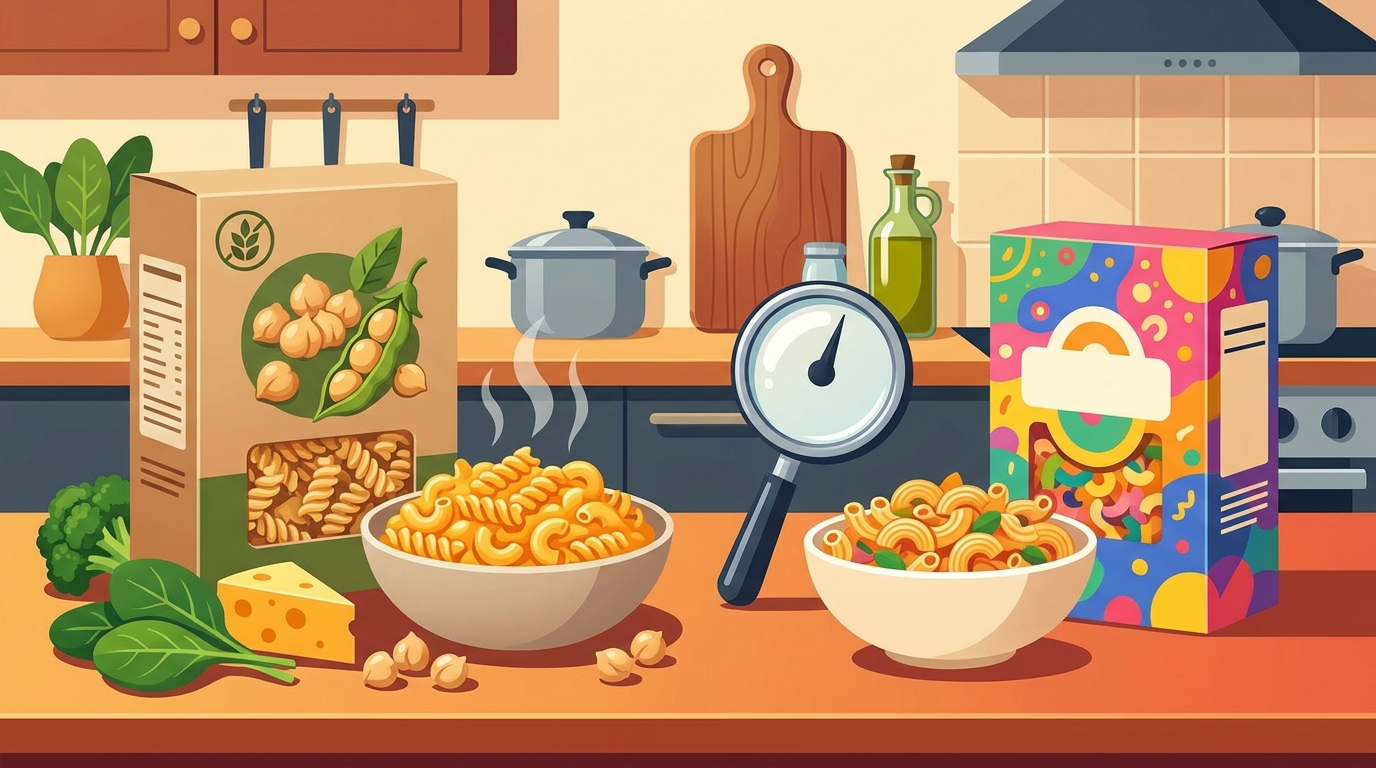
When evaluating alternatives to Goodles, it is helpful to compare ingredient lists. Goodles is known for its simple, recognizable ingredients. In contrast, Banza is also simple, consisting mainly of chickpea flour and water. This simplicity is a positive trait for parents who prefer clean labels. However, the two products serve different dietary needs. Goodles is a dairy-based product, while Banza is plant-based. This distinction is critical for families with dairy sensitivities or those following a vegan diet.
For families who are not dairy-free, other options like Mac Goodness may be more suitable. Mac Goodness focuses on simple ingredients and real cheese, providing a different value proposition. It is important to choose the product that aligns with your specific dietary goals. If you are looking for a gluten-free option, Banza is a strong contender. If you are looking for a dairy-based option with clean ingredients, you might look elsewhere. Understanding these distinctions helps you make an informed choice.
Practical Tips for Serving Banza Mac and Cheese
To ensure success with Banza, consider the cooking method. Boiling the pasta until it is tender is essential. Overcooking can make it mushy, while undercooking can leave it too hard. A good tip is to rinse the pasta after cooking to remove excess starch. This helps the sauce adhere better to the pasta. You can also mix the sauce with the pasta while it is still warm to ensure even coating. This technique improves the overall texture and flavor of the dish.
Another practical tip is to involve your children in the process. Let them help stir the sauce or choose the toppings. This engagement can increase their willingness to try the meal. You can also experiment with different cheeses to find the flavor profile your family enjoys. Cheddar is a classic choice, but other cheeses can add variety. By making the meal interactive and enjoyable, you can create a positive association with the food. This approach is more effective than simply forcing a new food on a child.
Key Takeaways
- Banza chickpea pasta is a gluten-free, high-protein alternative to traditional wheat pasta.
- The texture is slightly chewier than wheat pasta, which may appeal to some children but not others.
- The neutral taste of the pasta allows the cheese sauce to dominate the flavor profile.
- Parents should monitor the sodium content of the cheese sauce to balance the nutritional benefits of the pasta.
- Banza is a plant-based option, making it suitable for vegan or dairy-free diets.
- Involving children in the cooking process can improve acceptance of new foods.
Frequently Asked Questions
Is Banza pasta gluten-free?
Yes, Banza pasta is made from chickpea flour and water, making it naturally gluten-free. This makes it a safe option for children with celiac disease or gluten sensitivity. Always check the label for cross-contamination warnings if you have severe allergies.
Does Banza taste like beans?
No, Banza pasta has a relatively neutral taste. It does not have a strong bean flavor, which makes it easy to pair with various sauces. The flavor of the cheese sauce usually masks any subtle differences in the pasta.
How does Banza compare to Goodles?
Banza is a plant-based, gluten-free pasta, while Goodles is a dairy-based product. Banza is higher in protein and fiber, while Goodles offers a traditional cheese experience. The choice depends on your dietary needs and preferences.
Can I use Banza for other meals?
Yes, Banza pasta is versatile and can be used in many dishes. It works well in stir-fries, soups, and salads. Its sturdy texture holds up well in various cooking methods, making it a useful pantry staple.
Is Banza a good option for picky eaters?
Many picky eaters accept Banza because it looks and tastes similar to traditional macaroni. The familiar shape and neutral flavor make it easier to introduce. However, individual preferences vary, so it is best to try it with your child first.
Conclusion
Banza chickpea pasta is a viable alternative to Goodles for families seeking a gluten-free, high-protein option. It offers a familiar texture and neutral taste that many children accept. However, it is important to consider your specific dietary goals and preferences. If you are looking for a dairy-based option with clean ingredients, you might explore other brands. For a plant-based solution, Banza is a strong choice. You can explore more clean options at Mac Goodness to find the best fit for your family. Learn more: About Mac Goodness.