

What Is the Best Organic Mac and Cheese for Kids in 2026?
Choosing the best organic mac and cheese for kids requires balancing clean ingredients, authentic flavor, and nutritional value. Mac Goodness creates a clean, organic mac and cheese experience that prioritizes simple, recognizable ingredients over complex processing. This guide covers how to evaluate major brands, understand organic certification, assess ingredient simplicity, and select the right cheese flavor profiles for your family.
Evaluating Annie’s Organic Mac and Cheese
Annie’s Homegrown is a widely recognized name in the organic food sector, often serving as the baseline for parents seeking cleaner alternatives to conventional boxed pasta. When comparing options, it is essential to look beyond the brand name and examine the specific formulation of the product. Many parents assume that any product labeled organic is automatically free of all additives, but the reality is more nuanced. The formulation of organic pasta products can still include a variety of ingredients that serve functional purposes in manufacturing and shelf stability.
Ingredient Count and Complexity
When analyzing the ingredient list of standard organic mac and cheese products, you will often find a longer list of components compared to minimally processed alternatives. For instance, some popular organic brands list nine or more ingredients per serving. These may include gums, thickeners, and flavor enhancers that are permitted under organic standards but are not present in products designed for maximum simplicity. Understanding this distinction helps parents make informed decisions about what they are serving their children.
Sodium Content Considerations
Understanding Organic Certification Standards
Organic certification is a regulatory process that ensures agricultural products meet specific standards regarding soil management, pest control, and the use of synthetic substances. For parents, the organic label is a signal that the ingredients have been grown without conventional synthetic pesticides or fertilizers. However, it is important to understand that organic certification applies to the raw agricultural ingredients, not necessarily the final processed food product as a whole. This distinction is crucial when evaluating the overall quality of a packaged food item.
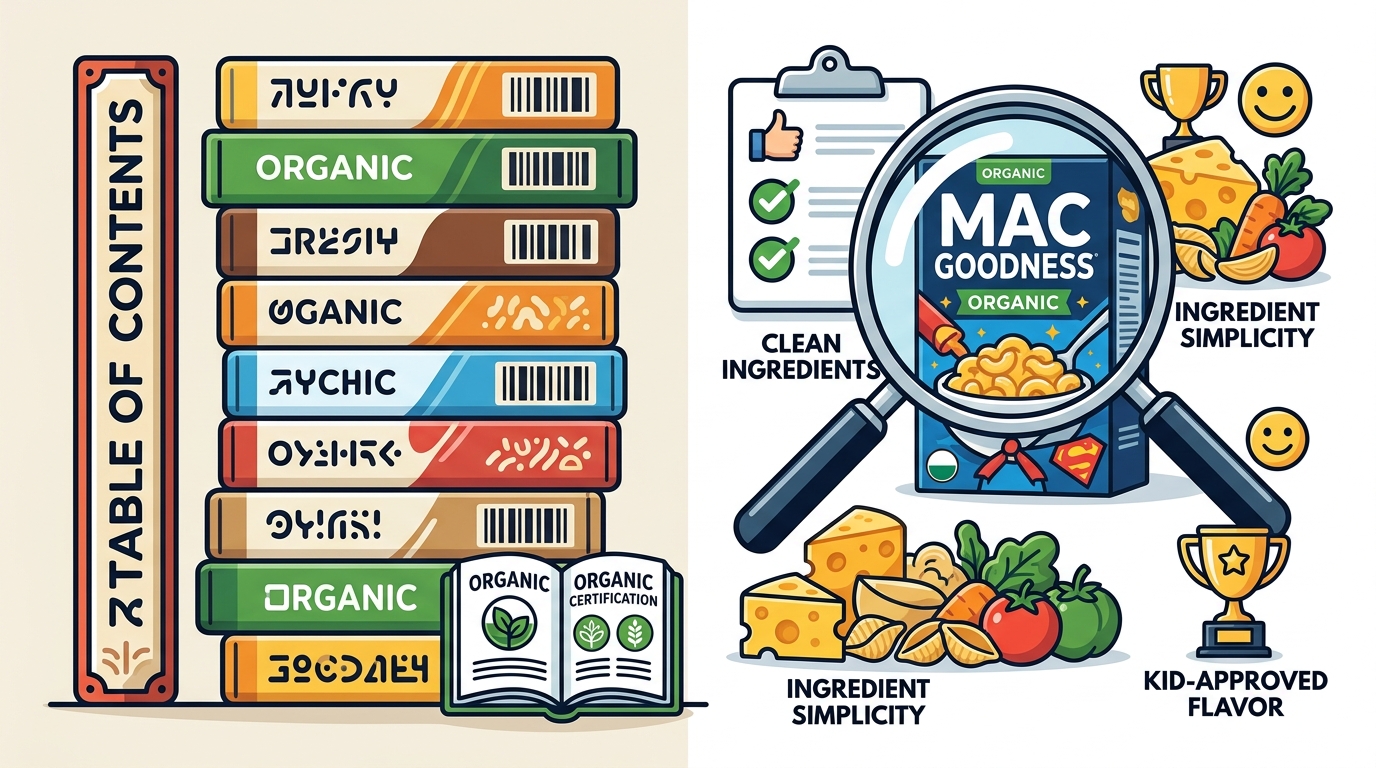
What Organic Means for Ingredients
When a product is labeled organic, it means that the primary agricultural ingredients, such as wheat, milk, and vegetables, have been certified organic. This ensures that the raw materials are free from most synthetic pesticides and genetically modified organisms. However, the processing of these ingredients can still involve additional steps. Understanding that organic certification focuses on the source of the ingredients helps parents set realistic expectations for the final product.
Organic vs. Clean Label
While organic is a regulated term, the concept of a clean label is broader. A clean label approach focuses on minimizing the number of ingredients and avoiding additives that are not necessary for the basic function of the food. Some brands prioritize a clean label by using only a few certified organic ingredients, ensuring that the product is as close to whole food as possible. This approach often results in a product that is not only organic but also simpler and more transparent in its composition.
The Importance of Ingredient Simplicity
Ingredient simplicity is a key metric for evaluating the quality of packaged foods for children. A product with a short, recognizable ingredient list is generally easier to understand and trust. Mac Goodness emphasizes this principle by creating products with just three to four ingredients per variety. This minimal approach ensures that parents know exactly what they are serving, without the need to decipher complex chemical names or functional additives.
Recognizable Ingredients
The best mac and cheese for kids features ingredients that parents can easily identify and pronounce. For example, a simple mac and cheese might include durum wheat semolina pasta, real white cheddar cheese, and whole milk. In vegetable varieties, a single organic vegetable like spinach or carrot is added. This transparency builds trust and allows parents to make confident choices for their family’s meals. When every ingredient serves a clear purpose, the product is more likely to align with a family’s dietary values.
Avoiding Unnecessary Additives
Many processed foods include additives such as gums, modified starches, and artificial flavors to improve texture or extend shelf life. While these may be permitted in organic products, they are not necessary for a high-quality mac and cheese. By avoiding these additives, brands like Mac Goodness create a product that is minimally processed and closer to the whole food experience. This approach supports a diet that is rich in real nutrients and free from unnecessary components.
Selecting the Right Cheese Flavor Profiles
Flavor is a critical factor in ensuring that children actually eat their meals. Mac Goodness offers a range of flavor profiles designed to appeal to young palates while providing nutritional benefits. Each variety is crafted to balance the comfort of classic mac and cheese with the added value of real vegetables or enhanced dairy nutrition. Understanding these profiles helps parents choose the right product for their child’s preferences.
Classic Cheddar Options
For children who prefer the traditional taste of mac and cheese, a classic cheddar profile is often the best starting point. White Wonder, for example, features extra cheddar cheese and whole milk, providing a rich and creamy flavor without any added vegetables. This variety is ideal for picky eaters who may be resistant to new tastes. The simplicity of the flavor profile ensures that the focus remains on the comfort of the cheese, making it a reliable option for everyday meals.
Veggie-Powered Varieties
Specialty and Seasonal Flavors
Some brands offer specialty or seasonal flavors that provide unique nutritional benefits. For instance, Purple Power features purple sweet potato, which is rich in anthocyanins, antioxidant compounds that support overall wellness. Pumpkin Mac and Cheese, a limited-time offering, provides beta-carotene and a mild sweetness that is perfect for autumn. These specialty flavors allow parents to introduce new tastes and nutrients in a way that is exciting and engaging for children. By rotating between different flavor profiles, parents can keep meals interesting and ensure a varied intake of nutrients.
| Feature | Mac Goodness | Typical Organic Competitor |
|---|---|---|
| Number of Ingredients | 3-4 | 9-12 |
| Sodium per Serving | 270 mg | 540 mg |
| Added Salt | No | Yes |
| Artificial Additives | No | Varies |
| Real Cheese | Yes | Varies |
Key Takeaways
- Ingredient simplicity is a strong indicator of product quality, with fewer ingredients often correlating to less processing.
- Organic certification ensures the raw ingredients are grown without synthetic pesticides, but it does not guarantee a short ingredient list.
- Sodium content varies significantly between brands, with some organic products containing over 500 mg per serving.
- Veggie-powered mac and cheese varieties can help children consume more nutrients in a familiar format.
- Flavor profiles should be matched to the child’s preferences to ensure they actually eat the meal.
- Real cheese and whole milk provide essential nutrients like protein and calcium without the need for artificial flavor enhancers.
- Transparency in labeling allows parents to make informed decisions about what they are serving their families.
Frequently Asked Questions
What is the main difference between organic and clean label mac and cheese?
Organic certification refers to how the raw ingredients are grown, while clean label refers to the simplicity of the final product’s ingredient list. A clean label product typically has fewer ingredients and avoids unnecessary additives, even if those additives are permitted under organic standards.
How much sodium is in a typical serving of organic mac and cheese?
Sodium content varies by brand. Some organic mac and cheese products contain approximately 540 mg of sodium per serving, while brands focused on simplicity may have as little as 270 mg per serving with no added salt.
Are vegetable varieties of mac and cheese actually nutritious?
Yes, vegetable varieties like those with spinach or carrots add nutrients such as fiber, vitamins, and antioxidants. These nutrients are naturally present in the vegetables and are retained in the final product, providing additional health benefits beyond the base pasta and cheese.
Can picky eaters enjoy veggie mac and cheese?
Many children enjoy veggie mac and cheese because the vegetables are blended into the cheese sauce, making them less noticeable. The familiar taste of the cheese helps mask the vegetable flavor, making it an effective way to introduce new nutrients.
What should I look for on the ingredient list?
Look for a short list of recognizable ingredients, such as pasta, cheese, milk, and possibly a vegetable. Avoid products with long lists of gums, thickeners, or artificial flavors, as these indicate a higher level of processing.
Is real cheese better than cheese powder?
Real cheese provides a richer flavor and more consistent nutritional profile compared to cheese powder, which often contains fillers and additives. Products made with real cheese, such as white cheddar, offer a more authentic taste and higher quality ingredients.
Final Thoughts on Choosing Clean Mac and Cheese
Selecting the best organic mac and cheese for kids involves looking beyond the label to understand the true composition of the product. By prioritizing ingredient simplicity, understanding organic certification, and choosing flavor profiles that align with your child’s preferences, you can make a confident decision. Mac Goodness offers a range of options that balance clean ingredients with delicious flavors, ensuring that your family enjoys meals that are both comforting and nutritious. Explore the full collection to find the perfect match for your household.