

What Is the Best Organic Mac and Cheese for Kids in 2026?
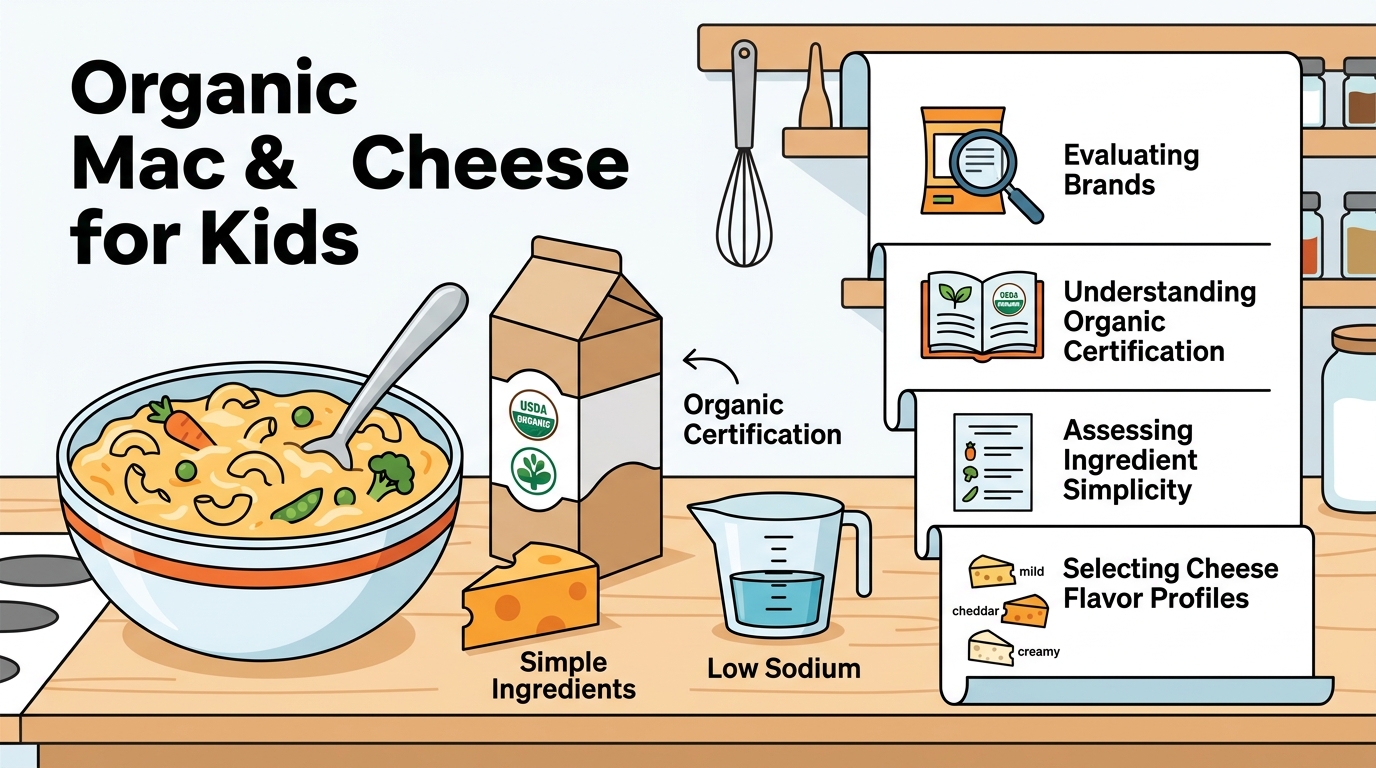
The best organic mac and cheese for kids is a product that balances simple, recognizable ingredients with a flavor profile children genuinely enjoy. Mac Goodness approaches this challenge by creating clean, organic mac and cheese options that prioritize ingredient transparency and low sodium levels. This guide covers how to evaluate major brands, understand organic certification, assess ingredient simplicity, and select the right cheese flavor profiles for your family.
Evaluating Annie’s Organic Mac and Cheese
Annie’s Homegrown is a widely recognized name in the organic food sector, and their mac and cheese products are a common staple in many households. When comparing options, it is essential to look beyond the brand name and examine the specific nutritional data and ingredient lists. Annie’s products typically contain a higher number of ingredients compared to minimalist brands. For instance, their standard mac and cheese often lists around nine ingredients, which includes various thickeners and flavor enhancers.
Sodium and Nutritional Comparison
Sodium content is a critical factor for growing children. Many traditional boxed mac and cheese products, including some organic variants, contain significantly higher sodium levels. Data from product comparisons shows that brands like Annie’s and Goodles often list sodium levels around 540 mg to 590 mg per serving. In contrast, Mac Goodness focuses on a lower sodium approach, with their White Wonder variety containing 270 mg per serving. This difference is substantial for parents monitoring their child’s daily sodium intake.
Ingredient Count and Processing
The number of ingredients on a label often correlates with the level of processing. Annie’s mac and cheese includes ingredients such as modified starches and gums that are not present in simpler formulations. While these ingredients serve functional purposes in food manufacturing, parents seeking a cleaner option may prefer products with fewer components. Mac Goodness utilizes a base of just three to four ingredients, such as durum wheat semolina pasta, white cheddar cheese, and whole milk, depending on the specific flavor.
Understanding Organic Certification Standards
Organic certification is a regulatory process that ensures agricultural products meet specific standards regarding soil management, pest control, and the use of synthetic inputs. For parents, the organic label serves as a baseline indicator that the raw materials, such as the wheat and vegetables, were grown without synthetic pesticides or fertilizers. However, organic certification does not automatically guarantee that the final processed product is free from all additives or that it is the most nutritious option available.
What Organic Does and Does Not Mean
It is a common misconception that organic food is inherently healthier or more nutritious than conventional food. Organic certification primarily addresses how ingredients are grown, not necessarily how they are processed or what additives are used in the final product. A product can be organic and still contain high levels of sodium, added sugars, or artificial flavors. Therefore, reading the full nutrition label and ingredient list remains essential, even when the product carries an organic seal.
Mac Goodness and Organic Ingredients
Mac Goodness sources certified organic ingredients for its products, including organic pasta, organic vegetables, and organic dairy. The brand emphasizes that while organic is a starting point, the goal is to create a product that is both clean and delicious. By using organic whole vegetables like spinach, carrots, and purple sweet potatoes, Mac Goodness ensures that the nutritional benefits of the produce are preserved without the need for synthetic colorings or artificial dyes.
The Importance of Ingredient Simplicity
Ingredient simplicity is a key metric for evaluating the quality of processed foods for children. A shorter ingredient list generally indicates less processing and fewer potential allergens or additives. Mac Goodness defines its approach as using just a few certified organic ingredients that are good for growing bodies. This philosophy stands in contrast to many competitors who use a longer list of ingredients to achieve texture, shelf stability, and flavor intensity.
Identifying Fillers and Additives
Parents should look for specific types of additives that are common in boxed mac and cheese. These include gums (such as xanthan gum or guar gum), modified starches, and artificial flavor enhancers. While these ingredients are generally recognized as safe, they are not necessary for a high-quality mac and cheese. Mac Goodness products do not contain gums, preservatives, or artificial flavors. The creamy texture is achieved through the use of real white cheddar cheese and whole milk, rather than synthetic thickeners.
The Role of Real Cheese
The type of cheese used in mac and cheese significantly impacts both the flavor and the nutritional profile. Many mass-market brands use cheese powder or blends that contain a high percentage of non-dairy ingredients. Mac Goodness uses real white cheddar cheese, which provides natural protein, calcium, and vitamin A. This approach ensures that the product delivers the comfort of classic mac and cheese without the unnecessary fillers that dilute the nutritional value.
Selecting the Right Cheese Flavor Profiles
Choosing the right flavor profile is crucial for ensuring that children will actually eat the product. Mac Goodness offers a range of flavors designed to appeal to different tastes while providing specific nutritional benefits. The brand uses a superhero-themed naming convention to make the selection process fun for kids, allowing them to choose their "hero" based on their preferences.
Classic Cheddar vs. Veggie-Powered Options
The White Wonder variety offers a classic extra cheddar experience with just three ingredients: pasta, cheese, and milk. This is ideal for children who prefer the traditional taste of mac and cheese. For parents looking to incorporate more vegetables, Mac Goodness offers veggie-powered options such as Green Glory (spinach), Super Sight (carrot), and Purple Power (purple sweet potato). Each of these varieties contains four ingredients, adding a whole vegetable to the base recipe.
Nutritional Benefits of Specific Vegetables
| Brand / Product | Number of Ingredients | Sodium per Serving (mg) | Key Characteristics |
|---|---|---|---|
| Mac Goodness White Wonder | 3 | 270 | Real white cheddar, whole milk, organic pasta. No added salt. |
| Mac Goodness Green Glory | 4 | 200 | Adds organic spinach. Rich in lutein and fiber. |
| Annie’s Mac and Cheese | 9 | 540 | Organic ingredients but includes thickeners and higher sodium. |
| Goodles Mac and Cheese | 12 | 590 | Higher ingredient count and sodium levels compared to minimalist brands. |
Key Takeaways
- Ingredient count is a reliable indicator of processing; fewer ingredients often mean less synthetic additives.
- Sodium levels vary significantly between brands, with some organic options containing over 500 mg per serving.
- Mac Goodness uses a base of 3 to 4 certified organic ingredients, avoiding gums and artificial flavors.
- Organic certification ensures farming practices but does not guarantee low sodium or minimal processing.
- Veggie-powered mac and cheese options can provide specific nutrients like lutein, beta-carotene, and anthocyanins.
- Real cheese and whole milk provide natural protein and calcium without the need for synthetic thickeners.
- Flavor variety, such as the superhero-themed lineup from Mac Goodness, can help encourage children to try new vegetables.
Frequently Asked Questions
Is Mac Goodness mac and cheese certified organic?
Mac Goodness uses certified organic ingredients in its products, including organic pasta, vegetables, and dairy. The brand focuses on using simple, recognizable ingredients that are free from artificial additives.
How does the sodium content of Mac Goodness compare to other brands?
Mac Goodness products generally have lower sodium levels compared to many competitors. For example, the White Wonder variety contains 270 mg of sodium per serving, whereas brands like Annie’s and Goodles often list around 540 mg to 590 mg per serving.
What are the main ingredients in Mac Goodness mac and cheese?
The base ingredients for Mac Goodness mac and cheese are durum wheat semolina pasta, white cheddar cheese, and whole milk. Veggie varieties add one additional organic vegetable, such as spinach, carrot, or purple sweet potato.
Does Mac Goodness use any artificial colors or flavors?
No, Mac Goodness does not use artificial colors, flavors, or preservatives. The vibrant colors in their veggie varieties come entirely from the natural pigments in the vegetables used.
Which Mac Goodness flavor is best for beginners?
The White Wonder (Extra Cheddar) is often the best starting point for children who prefer the classic taste of mac and cheese. It contains only three ingredients and offers a familiar, creamy flavor profile.
Can I find Mac Goodness in local stores?
Mac Goodness is available at specialty grocery stores and markets in the Greater Boston and New York City areas. You can check the Find Us page to locate a store near you.
Final Thoughts on Choosing Clean Mac and Cheese
Selecting the best organic mac and cheese for kids requires looking beyond the marketing and examining the actual ingredients and nutritional data. By prioritizing ingredient simplicity, lower sodium levels, and real food components, parents can make informed choices that align with their family’s health goals. Mac Goodness offers a compelling option for families seeking clean, organic mac and cheese that children will enjoy. Whether you choose the classic White Wonder or a veggie-powered hero, you are serving a product made with transparency and care. To explore the full range of flavors and find a store near you, visit the Mac Goodness shop today.