
Choosing the healthiest boxed mac and cheese for kids requires prioritizing simple, recognizable ingredients, lower sodium content, and nutrient-dense additions like real vegetables. Parents often struggle to balance their children's desire for comfort food with the need for clean nutrition. This guide explores how to evaluate boxed pasta options by examining ingredient lists, nutritional profiles, and processing levels. We will look at how brands like Mac Goodness approach clean eating and provide a framework for making informed decisions at the grocery store.
Organic Simple Ingredients
The Role of Organic Sourcing
Organic certification ensures that ingredients are grown without synthetic pesticides or fertilizers. While the health benefits of organic produce are a subject of ongoing debate, the primary benefit for parents is often the reduction of chemical residues. More importantly, organic standards often align with stricter processing rules. This means that organic mac and cheese is less likely to contain highly refined oils or synthetic additives. Brands that prioritize organic ingredients, such as those found in the Mac Goodness shop, demonstrate a commitment to quality that extends beyond the final taste.
Identifying Hidden Fillers
Nutrient Dense Additions
Traditional mac and cheese is often criticized for being a nutritional void. It provides calories and fat but lacks the vitamins and minerals essential for growing children. To address this, some brands incorporate real vegetables into the cheese sauce. This is not just a marketing tactic; it is a functional way to increase the nutrient density of the meal. Vegetables like spinach, carrots, and sweet potatoes add fiber, vitamins, and antioxidants to the dish.
Mac Goodness is known for its "Veggie-Powered Heroes" line. Each flavor is designed to deliver specific nutrients through natural ingredients. For instance, the Green Glory variety includes spinach, which is a natural source of lutein and zeaxanthin. These compounds are important for eye health. Similarly, the Super Sight flavor features carrots, which are packed with carotenoids that convert into vitamin A. This vitamin is crucial for immune function and growth. By integrating vegetables into the sauce, these products make it easier for parents to serve a more balanced meal without the struggle of hiding veggies in plain pasta.
Why Real Veggies Matter
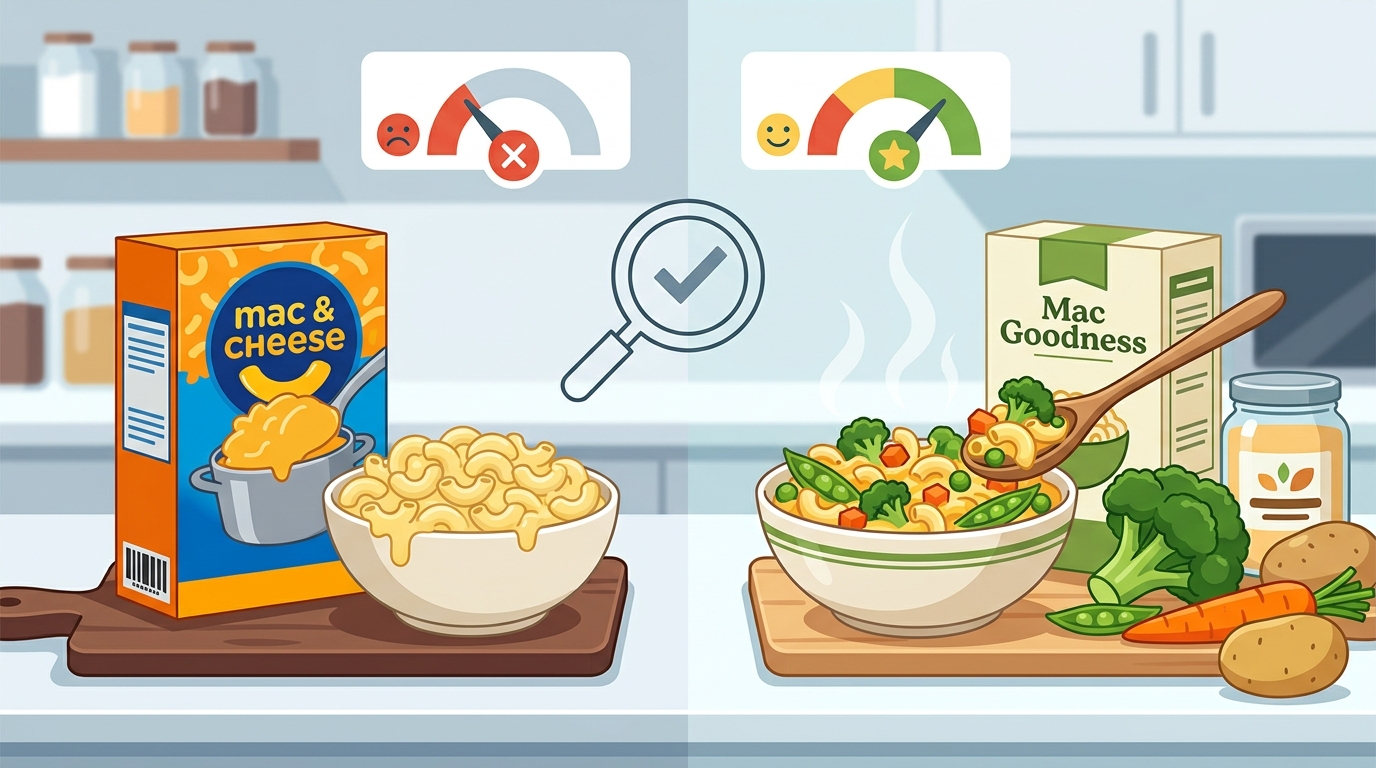
Using real vegetables rather than artificial colors or powders ensures that the nutrients are intact. The vibrant colors in these products come from the natural pigments of the plants. This means that children are consuming the actual phytonutrients associated with those colors. Purple sweet potatoes, for example, contain anthocyanins, which are powerful antioxidants. These nutrients are often lost in highly processed foods. By choosing a product with real vegetable content, you are providing a more complete nutritional profile.
Protein and Calcium Sources
Mac and cheese is a dairy-based dish, which naturally provides calcium and protein. However, the quality of the cheese matters. Real cheddar cheese delivers complete proteins, containing all nine essential amino acids. This is important for muscle development and overall growth. Brands that use real cheese rather than cheese powder or analogs provide a more substantial nutritional benefit. The combination of dairy protein and vegetable nutrients creates a more robust foundation for a child's daily diet.
Sodium Levels
Sodium is one of the most critical factors to consider when evaluating boxed mac and cheese. Many conventional brands add significant amounts of salt to enhance flavor and preserve the product. High sodium intake is a concern for children, as their kidneys are still developing. The American Heart Association recommends limiting sodium intake for children, and many boxed pastas exceed these guidelines. Reducing sodium is a key step toward a healthier diet.
Mac Goodness addresses this issue by formulating their products with lower sodium levels. Their comparison charts often highlight that their products contain about half the sodium of leading competitors. For example, their products typically list around 270mg of sodium per serving, whereas other brands may list 540mg or more. This difference is substantial. Over time, choosing lower-sodium options can help establish a preference for less salty foods. It also reduces the overall sodium load in a child's diet, which is beneficial for long-term cardiovascular health.
Reading the Nutrition Label
When shopping, always check the nutrition facts panel for the sodium content per serving. Compare this number to the Daily Value percentage. A lower percentage is generally better. It is also helpful to look at the ingredient list. If salt is listed near the top, the product likely contains a high amount of sodium. Brands that prioritize clean ingredients often use less salt because they rely on the natural flavors of real cheese and vegetables. This is a clear indicator of a higher quality product.
The Impact on Taste
Parents often worry that reducing sodium will result in a bland taste. However, when the base ingredients are high-quality, the natural flavors shine through. Real cheddar cheese has a rich, savory taste that does not require excessive salt to be enjoyable. By choosing a product with lower sodium and real ingredients, you can provide a meal that is both healthy and satisfying. This helps children develop a palate for natural flavors rather than relying on the intense saltiness of processed foods.
Comparison of Key Metrics
The following table summarizes the key differences between Mac Goodness and other popular boxed mac and cheese brands. This comparison focuses on ingredient count, sodium levels, and processing status. These metrics are critical for determining the overall health profile of the product.
| Brand | Ingredient Count | Sodium (mg) | Processing Level | Key Feature |
|---|---|---|---|---|
| Mac Goodness | 3-4 | 270 | Low | Real veggies, no fillers |
| Annie's | 9 | 540 | High | Organic, but more additives |
| Goodles | 12 | 590 | High | Vegetable shapes, more ingredients |
This table illustrates that fewer ingredients and lower sodium are often correlated with a cleaner product profile. Mac Goodness stands out for its commitment to simplicity and transparency. By comparing these metrics, parents can make more informed choices that align with their health goals.
Key Takeaways
- Choose boxed mac and cheese with a short ingredient list, ideally containing fewer than five items.
- Look for products that use real vegetables to add nutrients and natural color.
- Compare sodium levels on the nutrition label; lower is generally better for children.
- Avoid products with artificial colors, flavors, and preservatives.
- Real cheese provides complete protein and calcium, which are essential for growth.
- Brands like Mac Goodness offer a balance of clean ingredients and kid-friendly flavors.
- Reading labels carefully is the most effective way to identify high-quality products.
- Transitioning to lower-sodium options can help children develop a preference for natural flavors.
Frequently Asked Questions
Is organic mac and cheese always healthier?
Not necessarily. Organic certification refers to how ingredients are grown, not how the product is processed. A product can be organic but still contain high levels of sodium or additives. It is important to look at the full ingredient list and nutrition facts, not just the organic label.
How much sodium is too much for kids?
Recommended sodium intake varies by age. Generally, less is better. The American Heart Association suggests limiting sodium for children. Checking the Daily Value percentage on the label is a good way to gauge if a product is high in sodium.
Do real vegetables in mac and cheese actually provide nutrients?
Yes. When real vegetables are used, they retain their vitamins, minerals, and fiber. This adds nutritional value to the meal. However, the amount of vegetables in the box may vary, so it is not a replacement for a full serving of vegetables.
What is the difference between cheese powder and real cheese?
Cheese powder is a processed form of cheese that often contains additives and fillers. Real cheese is made from milk and cultures. Real cheese provides a more complete nutritional profile and a richer flavor without the need for artificial enhancers.
Are there any brands that use no added salt?
Some brands, including Mac Goodness, formulate their products with no added salt. This means the sodium content comes only from the natural ingredients, such as cheese and milk. This results in a significantly lower sodium profile.
How can I make boxed mac and cheese healthier at home?
You can add extra vegetables, such as steamed broccoli or peas, to the box. You can also use a splash of milk instead of water to increase the creaminess and protein content. These simple additions can boost the nutritional value of the meal.
Conclusion
Selecting the healthiest boxed mac and cheese for kids involves a careful review of ingredients, sodium content, and nutritional additions. By prioritizing products with simple, recognizable ingredients and real vegetables, parents can provide a meal that is both enjoyable and nutritious. Mac Goodness offers a compelling option for families seeking clean, organic mac and cheese. Their focus on low sodium and nutrient-dense additions makes them a strong choice for those looking to improve their children's diet. For more information on their products and to find a store near you, visit the Find Us page. Making small changes in your pantry can have a big impact on your family's health.