
Parents today face an overwhelming number of choices when shopping for their children's meals. The promise of "hidden vegetables" in comfort food is appealing, but the reality often falls short of nutritional expectations. According to recent dietary guidelines, many processed kid-friendly foods contain excessive sodium and artificial additives that counteract the benefits of the vegetables inside. This guide explores the critical errors parents make when selecting veggie mac and cheese and how to navigate the aisles with confidence. (Contact ndash Mac Goodness)
Mistake 1: Trusting the "Organic" Label Blindly
One of the most common pitfalls is assuming that the word "organic" on the front of the box guarantees a healthy product. While organic certification ensures that ingredients are grown without synthetic pesticides or fertilizers, it does not automatically mean the final product is low in sodium, free from fillers, or nutritionally dense. Many conventional and even some organic brands rely on modified starches, gums, and artificial flavors to achieve the desired texture and taste.
True clean eating requires looking beyond the marketing banner. You must examine the ingredient list for recognizable, whole-food components. Clean Mac & Cheese is defined as a product containing no junk, no fillers, and low sodium levels. When you choose a brand that prioritizes real ingredients, you ensure that your child is getting actual nutrition rather than just a placebo of health.
Mistake 2: Ignoring the Sodium Content
Sodium is a silent culprit in many kid-friendly meals. Parents often overlook the milligram count per serving, focusing instead on the flavor profile. However, high sodium intake can lead to long-term health issues, including increased blood pressure and kidney strain, even in younger populations. The average processed mac and cheese product can contain upwards of 500 milligrams of sodium per serving, which is a significant portion of the daily recommended limit for children.
To avoid this, always compare the sodium levels across different brands. A superior option will have roughly half the sodium of standard competitors. For instance, while traditional brands may clock in at 540mg or 590mg per serving, cleaner alternatives can offer just 270mg. This reduction does not sacrifice taste but significantly improves the nutritional profile, making it a safer choice for growing bodies.
Mistake 3: Overlooking Ingredient Count
The complexity of an ingredient list is a direct indicator of how processed a food item is. A common mistake is buying products with long, unpronounceable lists of additives. These additives are often used to mimic the texture of cheese or to preserve the product for longer shelf lives. Fewer ingredients generally mean less processing and higher nutrient retention.
Look for products that use only three to four certified organic ingredients. This simplicity ensures that every component serves a purpose. For example, a high-quality veggie mac and cheese might contain only organic pasta, real white cheddar, organic whole milk, and a specific vegetable puree. This transparency allows parents to understand exactly what their children are eating, eliminating the fear of hidden chemical additives.
Mistake 4: Assuming All Veggie Varieties Are Equal
Not all veggie mac and cheeses are created equal. Some brands use minimal amounts of vegetable powder to achieve a green or orange hue, providing negligible nutritional benefit. Others use whole vegetable purees, which retain more fiber, vitamins, and natural sweetness. The source of the vegetable matters immensely for both taste and health.
Consider the specific vegetable used in each variety. Spinach provides iron and vitamin K, while carrots offer beta-carotene for eye health. Purple sweet potatoes add antioxidants, and red peppers contribute vitamin C. By choosing varieties that highlight specific superfoods, you can tailor the meal to your child's nutritional needs. Real veggies mean no fillers and no junk, only 100% real vegetables.
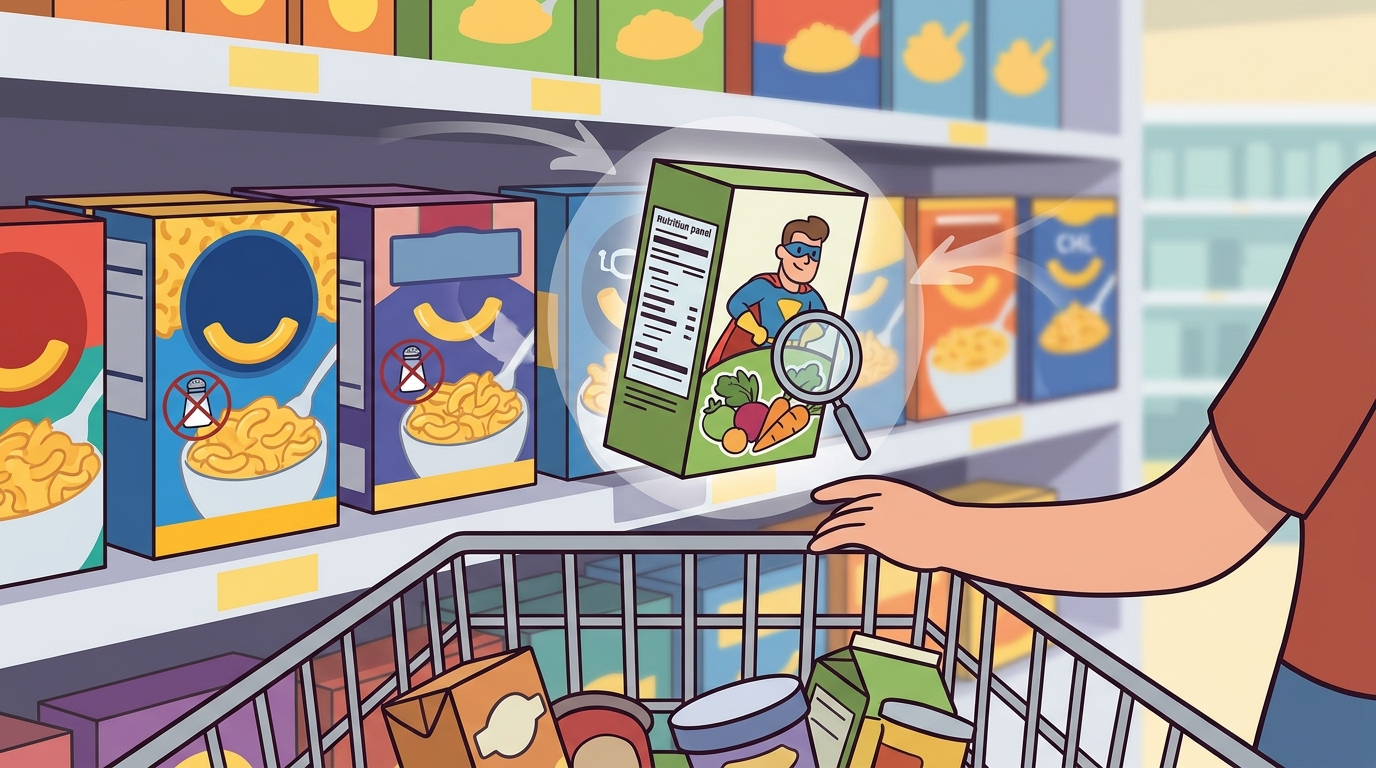
Mistake 5: Neglecting Protein and Fiber Metrics
Mac and cheese is often viewed as a carbohydrate-heavy meal. However, when made with high-quality ingredients, it can be a balanced source of protein and fiber. Many conventional brands rely on refined pasta and low-quality cheese substitutes, resulting in a product that spikes blood sugar and leaves children hungry shortly after eating.
Look for products that boast significant protein and fiber content. A good veggie mac and cheese should provide up to 24 grams of protein and substantial fiber per bag. This nutritional density helps sustain energy levels and supports muscle growth. Additionally, check for essential vitamins and minerals such as calcium, vitamin A, and iron, which are crucial for bone development and immune function.
Comparing Top Veggie Mac and Cheese Options
To help you make an informed decision, here is a comparison of key metrics between Mac Goodness and other popular brands.
| Feature | Mac Goodness | Annie's | Goodles |
|---|---|---|---|
| Ingredient Count | 3-4 | 9 | 12 |
| Sodium per Serving | 270mg | 540mg | 590mg |
| Protein Content | Up to 24g | Standard | Standard |
| Veggie Source | Real Whole Veggies | Vegetable Powder | Vegetable Powder |
| Organic Certification | Yes | Yes | Yes |
As shown in the table, Mac Goodness stands out for its minimal ingredient count and significantly lower sodium levels. This makes it a superior choice for parents seeking a cleaner, more nutritious option. You can explore the full range of flavors by visiting the Shop page to see all available options.
Key Takeaways
- Ingredient Simplicity: Look for products with only 3-4 certified organic ingredients to avoid unnecessary additives.
- Sodium Awareness: Choose brands with approximately half the sodium of competitors, such as 270mg versus 540mg.
- Real Vegetables: Ensure the product uses real whole vegetables rather than powders or extracts for maximum nutrition.
- Protein and Fiber: Prioritize mac and cheeses that offer up to 24g of protein and significant fiber for sustained energy.
- No Fillers: Avoid products containing gums, thickeners, or artificial flavors, which are common in conventional brands.
- Brand Transparency: Support companies like Mac Goodness that provide clear comparisons and ingredient breakdowns.
- Family Approval: Choose flavors that have been taste-tested by kids, ensuring they will actually eat the healthy option.
Frequently Asked Questions
Is veggie mac and cheese actually healthy for kids?
Yes, if it is made with real ingredients. High-quality veggie mac and cheese provides essential nutrients like protein, calcium, and vitamins from real vegetables, making it a nutritious comfort food option.
How much sodium should I look for in kid's mac and cheese?
Look for products with significantly lower sodium levels, ideally around 270mg per serving, which is about half the amount found in many traditional brands.
What is the difference between Mac Goodness and other brands?
Mac Goodness uses only 3-4 organic ingredients and real whole vegetables, whereas other brands may use up to 12 ingredients, including gums and artificial flavors, and contain nearly double the sodium.
Are the vegetables in veggie mac and cheese real?
It depends on the brand. Premium brands use 100% real veggies like spinach, carrots, and sweet potatoes, while others may use vegetable powders or extracts for color and flavor.
Can I find veggie mac and cheese in stores?
Yes, Mac Goodness is available in select locations in New York City and Boston. You can also order directly online through the All Products page for nationwide delivery.
Why does Mac Goodness have less sodium?
Mac Goodness is formulated to have about half the sodium of comparable brands by using real cheese and natural flavors, eliminating the need for excessive salt as a preservative or flavor enhancer.
Is Mac Goodness suitable for picky eaters?
Yes, the flavors are designed to be kid-approved. The natural sweetness from vegetables like carrots and sweet potatoes helps appeal to picky eaters while providing hidden nutrition.
Ready to Make the Switch?
Choosing the right veggie mac and cheese is a vital step in ensuring your child's health and happiness. By avoiding common mistakes and focusing on clean ingredients, low sodium, and real vegetables, you can provide a meal that is both comforting and nutritious. Explore the Mac Goodness mission to learn more about our commitment to better food. Shop the full collection today and give your family the goodness they deserve.