
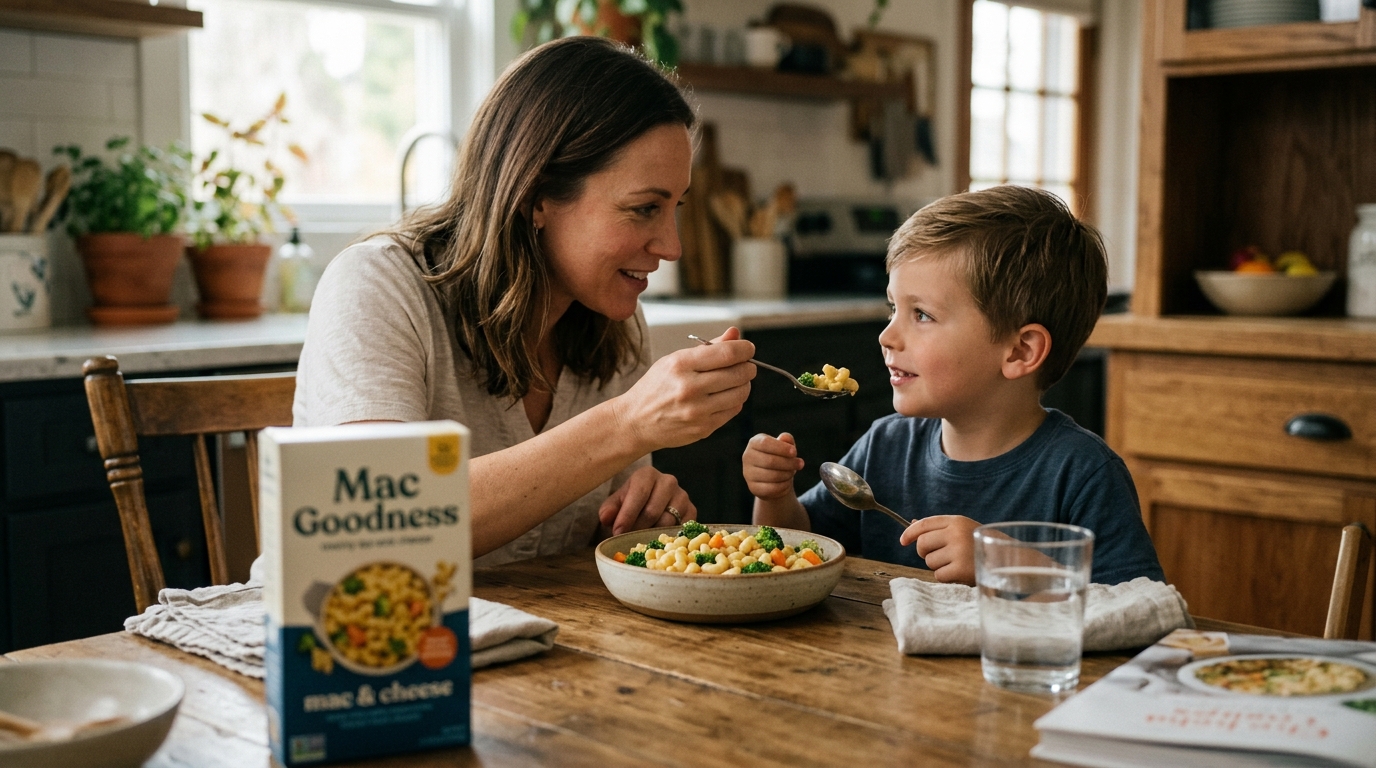
Choosing the right dinner for your family is a daily challenge. When it comes to comfort foods like macaroni and cheese, the aisle can feel overwhelming. Many parents assume that "organic" or "natural" labels guarantee a healthy choice. However, data shows that a significant number of popular boxed mac and cheese products contain hidden fillers, excessive sodium, and artificial ingredients that undermine their health benefits. According to recent nutritional analyses, standard boxed mac and cheese can contain up to 590 milligrams of sodium per serving. This high sodium content is a primary concern for pediatric health experts who recommend limiting salt intake for growing children. By understanding these pitfalls, you can make smarter choices that support your family's well-being without sacrificing taste.
Mistake 1: Trusting the "Organic" Label Blindly
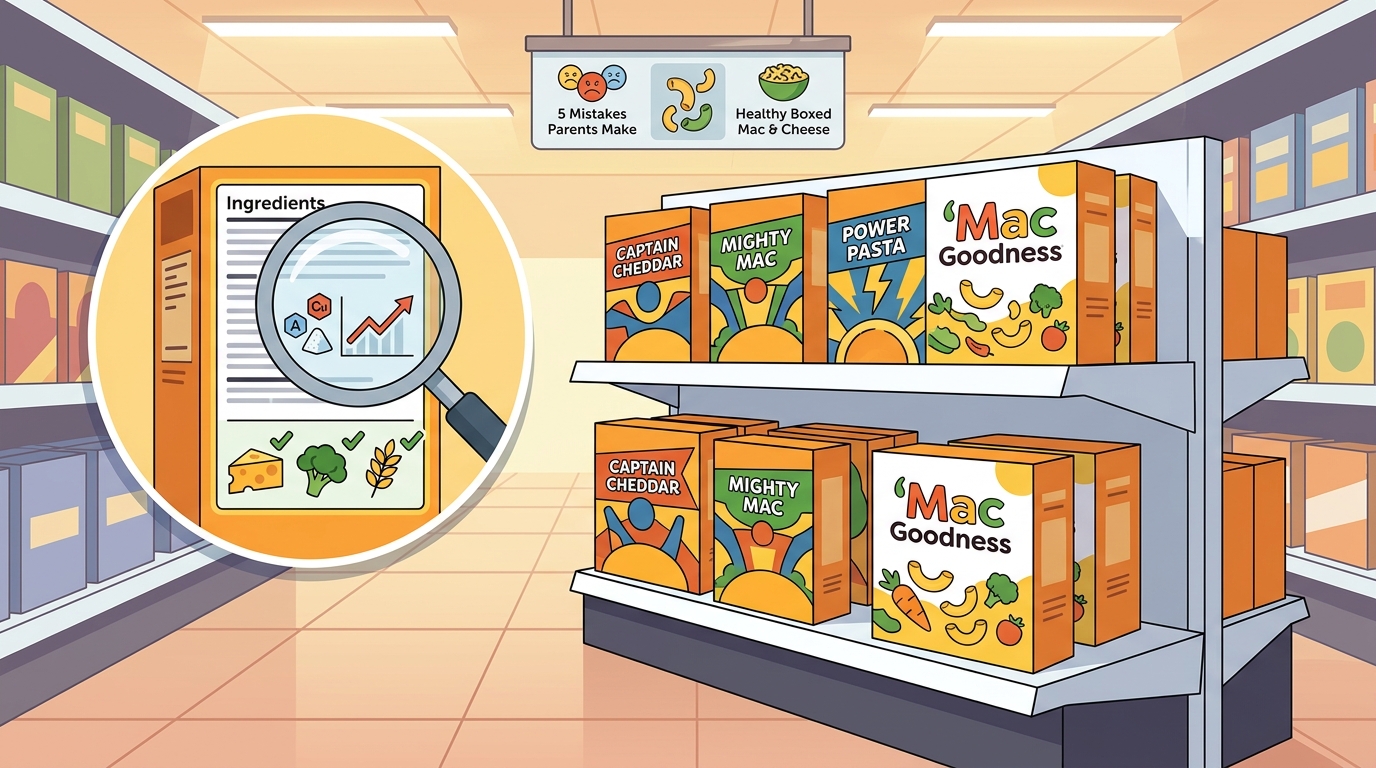
One of the most common errors parents make is assuming that the word "organic" on the front of the box automatically means the product is healthy. While organic certification ensures that ingredients are grown without synthetic pesticides or fertilizers, it does not regulate the nutritional profile of the final product. A box can be fully organic yet still contain high levels of sodium, refined grains, or unnecessary additives.
Organic certification is a farming standard, not a health guarantee. You must look deeper into the ingredient list to ensure the product aligns with your nutritional goals. For instance, some organic brands rely heavily on processed cheese powders that lack the nutritional density of real dairy. It is crucial to read the back of the box just as carefully as the front. This diligence ensures you are getting actual nutrition rather than just a marketing claim.
Mistake 2: Ignoring the Sodium Count
Sodium is a silent contributor to poor health in children. Many traditional boxed mac and cheese brands use salt as a primary flavor enhancer to mask the taste of processed cheese. The average serving of conventional boxed mac and cheese can contain between 540 and 590 milligrams of sodium. This amount represents a substantial portion of a child's daily recommended limit.
High sodium intake is linked to increased blood pressure and can establish unhealthy taste preferences early in life. According to the American Heart Association, children aged 4 to 8 should consume no more than 1,000 milligrams of sodium per day. A single box of mac and cheese can provide half of that daily limit. Choosing low-sodium options is essential for maintaining long-term cardiovascular health. Look for brands that explicitly state they use less sodium than competitors.
Overlooking Hidden Fillers and Gums
Texturizers and thickeners are often used to create a creamy sauce without using real cheese. Ingredients like xanthan gum, guar gum, and modified food starch are common in many boxed mac and cheese products. These fillers can cause digestive discomfort in sensitive children and offer zero nutritional value.
Real cheese provides natural creaminess and essential nutrients like calcium and protein. When a product relies on gums to achieve its texture, it is often a sign of lower quality ingredients. Clean mac and cheese should have a short ingredient list that you can pronounce. Avoid products that list multiple types of gums or starches in the top three ingredients. This approach ensures you are feeding your family real food rather than processed substitutes.
Choosing Artificial Colors Over Real Veggies
Artificial colors are frequently added to boxed mac and cheese to create an appealing yellow hue. These dyes, such as Yellow 5 and Yellow 6, are derived from petroleum and have no place in a healthy diet. Some parents mistakenly believe that bright colors indicate richness or flavor, but they often signal artificial processing.
Real vegetables provide natural color and a boost of vitamins. For example, carrots provide beta-carotene, which converts to vitamin A in the body. Spinach adds iron and fiber without altering the taste significantly. Purple sweet potatoes offer anthocyanins, which are powerful antioxidants. By choosing mac and cheese made with real vegetable purees, you eliminate artificial dyes while adding nutritional depth. This strategy turns a comfort food into a nutrient-dense meal.
Neglecting Protein and Fiber Content
Mac and cheese is often viewed as a carbohydrate-heavy dish. However, a healthy version should provide significant protein and fiber to keep children full and energized. Many standard boxes contain less than 10 grams of protein per serving. This low protein content means children may feel hungry again shortly after eating.
Protein is critical for muscle development and growth in children. Fiber supports digestive health and helps regulate blood sugar levels. A high-quality boxed mac and cheese should offer at least 15 to 24 grams of protein per serving. Additionally, incorporating whole grain pasta or vegetable-based ingredients can increase the fiber content. Checking the nutrition facts panel is the only way to verify these values. Prioritizing protein and fiber ensures the meal serves as a balanced foundation for your child's diet.
Comparing Top Brands
Not all boxed mac and cheeses are created equal. The differences in ingredient quality, sodium levels, and nutritional value can be stark. The table below compares key metrics for Mac Goodness against popular competitors to highlight the impact of ingredient choices.
| Brand | Ingredient Count | Sodium per Serving | Protein per Serving | Key Differentiator |
|---|---|---|---|---|
| Mac Goodness | 3-4 | 270mg | Up to 24g | Real veggies, no fillers |
| Annie's Homegrown | 9 | 540mg | 10g | Organic pasta, but higher sodium |
| Goodles | 12 | 590mg | 14g | High protein, but more ingredients |
As the table illustrates, Mac Goodness stands out by using fewer than five ingredients while delivering significantly less sodium. This comparison demonstrates that simplicity in ingredients often leads to better health outcomes. You can explore our full comparison page to see how we stack up against other brands.
Key Takeaways
- Read the Sodium Label: Standard boxes can contain up to 590mg of sodium, which is half a child's daily limit.
- Check Ingredient Count: Fewer than five ingredients usually indicates a cleaner, less processed product.
- Look for Real Cheese: Avoid products with gums and thickeners as primary texturizers.
- Prioritize Protein: Aim for at least 15 grams of protein per serving to ensure satiety.
- Choose Real Veggies: Carrots, spinach, and sweet potatoes provide natural color and vitamins.
- Verify Organic Claims: Organic certification does not guarantee low sodium or high nutrition.
- Shop Smart: Visit our shop page to find flavors that meet your family's needs.
Frequently Asked Questions
Is organic mac and cheese always healthy?
No. Organic certification refers to how ingredients are farmed, not their nutritional content. Some organic brands still contain high sodium and artificial additives.
How much sodium should kids have in mac and cheese?
Children should ideally consume less than 300 milligrams of sodium per serving of mac and cheese to stay within daily health guidelines.
What are the best vegetables to add to mac and cheese?
Carrots, spinach, and purple sweet potatoes are excellent choices because they blend seamlessly into the sauce and provide essential vitamins.
Does Mac Goodness contain any artificial colors?
No. Mac Goodness uses real vegetables for color and flavor, ensuring no artificial dyes are present in any of our products.
How does Mac Goodness compare to Goodles?
Mac Goodness uses fewer ingredients and has significantly less sodium than Goodles, while still providing high protein content from real cheese.
Where can I buy Mac Goodness in stores?
Mac Goodness is available in select locations in New York City and Boston. You can also find us near you online.
Is Mac Goodness safe for toddlers?
Yes. Our recipes are designed with simple, recognizable ingredients that are safe and nutritious for growing children.
Find Your Perfect Mac & Cheese
Stop settling for boxes filled with fillers and excessive salt. Choose a mac and cheese that supports your family's health and tastes great. Explore our collection of hero-approved flavors today. From White Wonder to Green Glory, we have a solution for every palate. Shop now and taste the difference real ingredients make.