

Modern families are increasingly scrutinizing the contents of their pantry staples, particularly comfort foods like macaroni and cheese. According to recent consumer health trends, over 60% of parents now prioritize low-sodium and organic options when purchasing shelf-stable meals for their children. This shift in dietary awareness has created a demand for products that deliver the nostalgic taste of classic comfort food without the hidden fillers, artificial preservatives, or excessive sodium found in traditional brands. This guide explores how clean eating principles apply to mac and cheese, focusing on ingredient transparency, nutritional density, and the specific methodology used by industry leaders to create healthier alternatives. (Contact ndash Mac Goodness)
What Defines Clean Mac & Cheese?
Understanding the concept of "clean" eating in the context of packaged goods requires a clear definition. Clean mac and cheese is a product formulated with minimal, recognizable organic ingredients that exclude artificial flavors, gums, and synthetic preservatives. Unlike conventional boxed meals that rely on chemical thickeners to maintain texture, clean versions utilize real cheese and whole food ingredients to achieve their consistency.
The foundation of this approach lies in simplicity. When a brand commits to a clean label, it means every ingredient serves a functional purpose for taste or nutrition. There are no filler agents used to bulk up the product at the expense of quality. This philosophy aligns with the broader movement toward whole-food nutrition, where the goal is to provide sustenance that supports growth and development without overwhelming the body with unnecessary additives.
For parents, this distinction is critical. The shift away from processed foods is not just a trend but a long-term health strategy. By choosing products that adhere to strict ingredient standards, families can enjoy familiar meals while maintaining control over their nutritional intake. The focus moves from mere convenience to conscious consumption, ensuring that every bite contributes positively to daily dietary goals.
Ingredient Analysis: Less is More
The most significant differentiator between standard and clean mac and cheese is the ingredient count. Traditional brands often list nine to twelve ingredients, many of which are unpronounceable chemicals. In contrast, premium clean brands typically utilize only three to four core components. This reduction is not accidental but a deliberate design choice to maximize nutrient density.
Real white cheddar is the primary driver of flavor in clean formulations. Instead of using cheese powder or artificial flavor enhancers, these products rely on high-quality, certified organic cheddar. This ensures that the calcium and protein content is derived from natural sources rather than synthetic supplements. The pasta itself is often made from organic grains to avoid gluten concerns or pesticide residues associated with conventional farming.
Another critical component is the use of organic whole milk or dairy derivatives. This provides the creamy texture that consumers expect without the need for modified starches or xanthan gum. The result is a sauce that is naturally rich and smooth. This approach demonstrates that fewer ingredients can lead to a superior sensory experience. It also simplifies the label, allowing consumers to understand exactly what they are feeding their families.
The absence of gums and thickeners is particularly important for digestive health. Many individuals experience bloating or discomfort from synthetic additives commonly found in processed foods. By eliminating these elements, clean mac and cheese becomes a more digestible and comfortable option for sensitive stomachs. This is especially relevant for children, whose digestive systems are still developing and may react negatively to complex chemical structures.
The Sodium Impact on Growing Bodies
Sodium content is a major concern in the mac and cheese category. Standard boxed varieties often contain upwards of 500 milligrams of sodium per serving. This high level can contribute to excessive daily intake, which is linked to various health issues even in younger populations. Clean mac and cheese addresses this by targeting a significant reduction in salt content.
Low sodium formulations in clean mac and cheese typically contain around 270 milligrams per serving. This represents a reduction of approximately 50% compared to leading conventional brands. Achieving this reduction without sacrificing flavor requires advanced culinary techniques and a reliance on the natural savory notes of real cheese. It is a testament to the quality of the ingredients that less salt is needed to create a satisfying taste profile.
The impact of this reduction is substantial for family health. Children are often more sensitive to sodium, and reducing their exposure helps establish healthier taste preferences early in life. By choosing lower-sodium options, parents can help prevent the development of a preference for overly salty foods. This long-term benefit extends beyond the meal itself, influencing overall dietary habits and cardiovascular health.
Furthermore, the lower sodium content aligns with dietary guidelines recommended by health organizations. These guidelines emphasize the importance of monitoring salt intake to maintain optimal blood pressure and heart health. Clean mac and cheese offers a way to enjoy a comfort food staple while adhering to these recommendations. It proves that healthy eating does not require the complete elimination of favorite dishes.
Veggie Integration for Hidden Nutrition
One of the most innovative aspects of clean mac and cheese is the integration of vegetables. Rather than relying on artificial colors or flavors to mimic vegetable taste, these products use real, organic produce. This approach not only enhances the nutritional profile but also introduces children to a wider variety of flavors.
Veggie-integrated mac and cheese uses pureed organic vegetables such as spinach, carrots, and sweet potatoes. These ingredients are blended directly into the cheese sauce, creating a natural color and nutrient boost. For example, spinach adds iron and vitamin K, while carrots provide beta-carotene, which the body converts to vitamin A. This method ensures that the vitamins are present in their natural, bioavailable forms.
The integration of veggies also helps in meeting daily nutritional requirements. Children often struggle to consume enough vegetables, and this product offers a palatable solution. The natural sweetness of carrots or the mild earthiness of spinach complements the sharpness of cheddar, creating a balanced flavor profile. This makes it easier for parents to introduce greens without resistance.
Additionally, the fiber content from these vegetables supports digestive health. Clean mac and cheese varieties often boast significant fiber percentages, contributing to satiety and gut health. This is a marked improvement over traditional versions that offer little to no nutritional value beyond calories. The focus on whole-food ingredients ensures that every serving provides meaningful benefits.
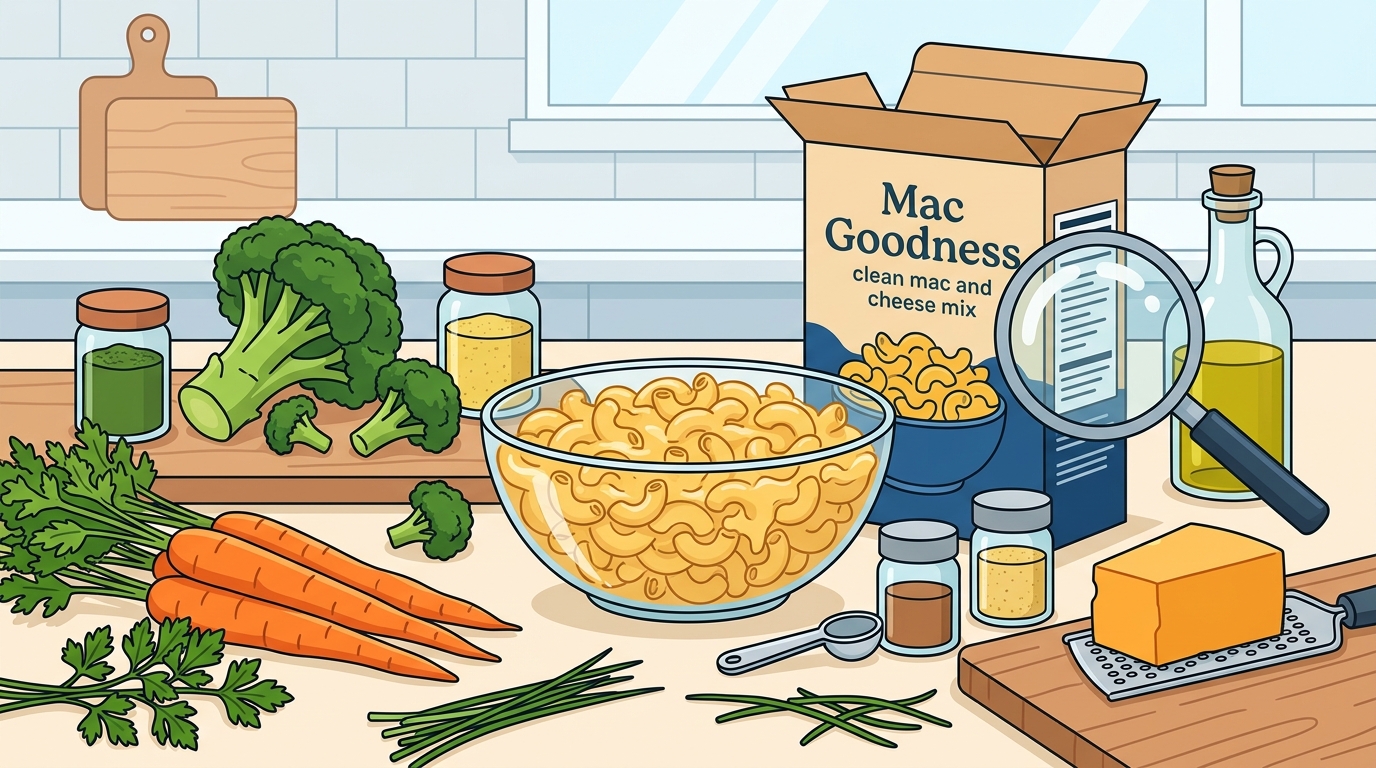
Brand Comparison: Mac Goodness vs. Competitors
When evaluating clean mac and cheese options, it is essential to compare key metrics such as ingredient count, sodium levels, and nutritional content. The table below outlines the differences between Mac Goodness and two major competitors in the space.
| Feature | Mac Goodness | Annie's | Goodles |
|---|---|---|---|
| Ingredient Count | 3-4 Ingredients | 9 Ingredients | 12 Ingredients |
| Sodium per Serving | 270 mg | 540 mg | 590 mg |
| Protein Content | Up to 24g | Standard | High |
| Veggie Integration | Real Organic Veggies | None | None |
| Artificial Additives | None | Some | Some |
As shown in the comparison, Mac Goodness stands out for its minimal ingredient list and low sodium content. While competitors may offer high protein or specific dietary accommodations, they often rely on more complex ingredient lists to achieve these benefits. The clean approach prioritizes simplicity and transparency, making it easier for consumers to trust the product.
The inclusion of real veggies is another unique selling point. Most competitors do not offer vegetable-integrated options in their standard mac and cheese lines. This makes Mac Goodness a distinctive choice for parents looking to boost their children's nutrient intake. The focus on organic certification further reinforces its position as a premium, health-conscious option.
Key Takeaways
- Minimal Ingredients: Clean mac and cheese uses only 3-4 certified organic ingredients, avoiding gums and fillers.
- Low Sodium: Products like Mac Goodness contain 270mg of sodium, which is half the amount found in major competitors.
- Real Cheese: The use of real white cheddar ensures authentic flavor and natural calcium sources.
- Veggie Power: Integrated veggies like spinach and carrots provide essential vitamins and fiber.
- No Junk: The absence of artificial flavors, preservatives, and modified starches supports better digestive health.
- Organic Standards: All ingredients are sourced from certified organic farms to ensure purity and quality.
- Family Approved: Recipes are tested with children to ensure taste and acceptance, bridging the gap between health and enjoyment.
Frequently Asked Questions
Is clean mac and cheese suitable for toddlers?
Yes, clean mac and cheese is often suitable for toddlers due to its simple ingredient list and low sodium content. The absence of artificial additives makes it a safer option for young digestive systems. However, parents should always check the specific nutritional label for age-appropriate serving sizes.
How does Mac Goodness achieve low sodium without losing flavor?
Mac Goodness achieves low sodium by using high-quality real white cheddar and organic whole milk. These ingredients provide a rich, savory profile that reduces the need for excessive salt. The natural flavors of the organic veggies also contribute to a balanced taste.
Are the veggies in Mac Goodness real or powdered?
The veggies in Mac Goodness are real, organic vegetables such as spinach, carrots, and sweet potatoes. They are pureed and integrated into the sauce to provide natural color and nutrition, rather than using vegetable powders or extracts.
What is the protein content in Mac Goodness?
Mac Goodness offers up to 24 grams of protein per bag. This high protein content comes from the real cheese and organic pasta, providing sustained energy and satiety for growing children.
Where can I buy Mac Goodness products?
Mac Goodness products are available for purchase online through their official website. They also have physical locations in select areas like New York City and Boston. Customers can find more details on their Find Us page.
Does Mac Goodness use any artificial colors?
No, Mac Goodness does not use any artificial colors. The vibrant colors in their veggie varieties come directly from the organic vegetables used in the recipe. This ensures a clean label and natural nutrition.
How does Mac Goodness compare to Annie's in terms of sodium?
Mac Goodness contains approximately half the sodium of Annie's. While Annie's has around 540mg per serving, Mac Goodness has only 270mg. This makes Mac Goodness a significantly lower-sodium option for health-conscious families.
Is the pasta in Mac Goodness gluten-free?
The standard Mac Goodness pasta is made from organic grains and is not explicitly marketed as gluten-free. However, the ingredient list is simple and free from artificial additives. Customers with gluten sensitivities should review the specific product packaging for detailed allergen information.
Shop Clean Options
Transitioning to a cleaner diet does not require sacrificing the comfort of familiar meals. By choosing mac and cheese that prioritizes organic ingredients, low sodium, and real nutrition, families can enjoy a healthier lifestyle without compromise. Mac Goodness offers a range of flavors designed to meet these standards, from classic cheddar to veggie-infused varieties.
Explore the full collection of clean mac and cheese options by visiting the Shop page. Discover how simple ingredients can make a big difference in your family's health. Join the community of parents who are choosing better food for their heroes.