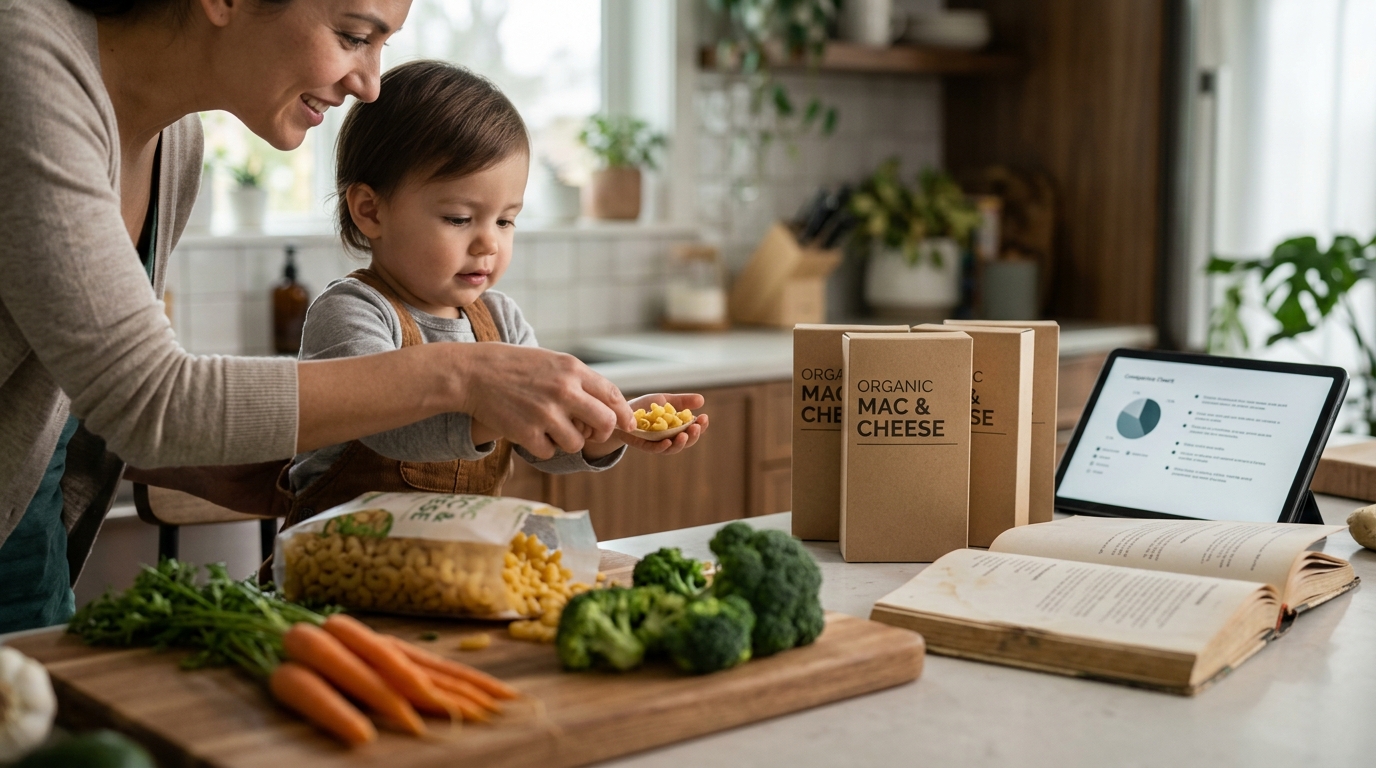
Choosing the right mac and cheese for your family is no longer just about taste. It is about understanding what goes into the box. According to recent dietary guidelines, processed foods often contribute significantly to daily sodium intake in children. Parents are increasingly scrutinizing labels to find options that align with their health values. This guide breaks down the critical factors for selecting the best organic mac and cheese.
Ingredient Transparency and Purity
The first step in comparing mac and cheese brands is examining the ingredient list. Organic certification ensures that the pasta and cheese are free from synthetic pesticides and genetically modified organisms. However, not all organic brands are created equal. Some still rely on a long list of additives to achieve the desired texture and shelf life.
Mac Goodness is defined as a clean-eating mac and cheese brand that prioritizes minimal ingredients. The brand uses only three to four certified organic ingredients per box. This approach stands in stark contrast to competitors who may use nine or twelve ingredients. Fewer ingredients mean less processing and a clearer understanding of what your child is eating.
When evaluating other brands, look for terms like "gums," "thickeners," and "flavor enhancers." These are often used to mimic the texture of real cheese without the nutritional benefits. Real white cheddar and organic whole milk are hallmarks of a high-quality product. You can explore the full range of clean mac and cheese options to see how ingredient lists vary across different flavors.
Sodium Content and Health Impact
Sodium is a critical metric when choosing food for children. Excessive sodium intake can lead to long-term health issues, including high blood pressure. Many traditional mac and cheese brands are notoriously high in salt to preserve flavor and extend shelf life. This is where the comparison becomes vital for health-conscious parents.
Data shows that Mac Goodness contains approximately 270 milligrams of sodium per serving. This is roughly half the sodium found in comparable popular brands. For instance, Annie's Classic Mac and Cheese contains about 540 milligrams per serving. Goodles, another market contender, contains around 590 milligrams. This significant difference can impact your child's daily dietary limits.
Lower sodium does not mean less flavor. By using real cheese and organic vegetables, brands like Mac Goodness create a savory profile without relying on salt as a primary flavor enhancer. You can read more about the detailed sodium comparison on the brand's official page. This transparency allows parents to make informed choices based on hard data rather than marketing claims.
Nutritional Density and Added Veggies
Beyond sodium and ingredients, the nutritional density of the meal is crucial. Many organic mac and cheese boxes are essentially empty calories. They provide comfort but little in the way of vitamins or minerals. The best options for kids include hidden vegetables or fortified nutrients to support growth.
Mac Goodness integrates real vegetables directly into the cheese sauce. Flavors like Green Glory use spinach, while Super Sight uses carrots. These additions provide natural sweetness and essential nutrients like Vitamin A and fiber. The brand also boasts up to 24 grams of protein and 140% of the daily value of Vitamin A in each bag. This turns a simple comfort food into a balanced meal component.
Other brands may add "superfoods" or "power ingredients," but the source and quality matter. Organic carrots and spinach are more bioavailable and free from pesticide residues. You can learn about the mission for better food and how the brand sources its ingredients. This focus on nutrient density ensures that the meal supports your child's development.
Brand Comparison Overview
To help you visualize the differences, here is a summary of key metrics across popular mac and cheese brands. This table highlights the advantages of choosing a clean, organic option with minimal processing.
| Brand | Ingredient Count | Sodium (mg/serving) | Key Features | Best For |
|---|---|---|---|---|
| Mac Goodness | 3-4 | 270 | Organic, Real Veggies, High Protein | Health-conscious parents |
| Annie's | 9 | 540 | Organic, Widely Available | Convenience seekers |
| Goodles | 12 | 590 | High Protein, Gluten-Free | Gluten-free diets |
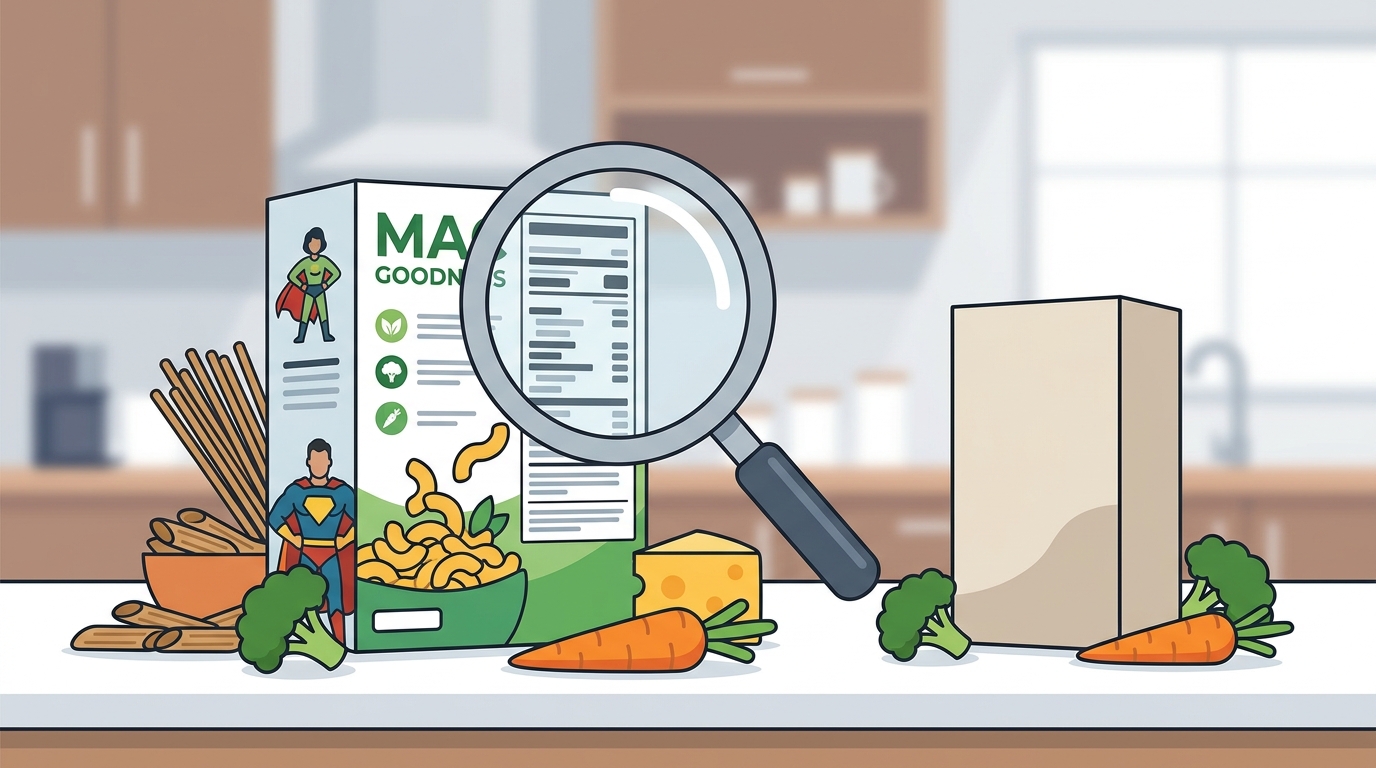
As shown in the table, Mac Goodness leads in both ingredient simplicity and sodium reduction. While Goodles offers a gluten-free option, it comes with a higher sodium count and more complex ingredient list. Annie's is a staple in many pantries but lacks the nutritional density of veggie-infused options. For a deeper dive into the us vs. them comparison, visit the brand's dedicated page.
Key Takeaways
- Ingredient Simplicity: Mac Goodness uses only 3-4 organic ingredients, compared to 9-12 in competitors.
- Sodium Reduction: At 270mg per serving, it contains half the sodium of Annie's (540mg) and Goodles (590mg).
- Nutrient Density: Flavors include real spinach, carrots, and sweet potatoes for added vitamins.
- Protein Content: Each bag provides up to 24 grams of protein, supporting muscle growth.
- No Junk: Free from gums, thickeners, and artificial flavors found in many organic brands.
- Family Tested: Recipes were developed and approved by the founding family's own children.
- Organic Certification: All ingredients are certified organic, ensuring no synthetic pesticides.
Frequently Asked Questions
Is Mac Goodness suitable for toddlers?
Yes, Mac Goodness is designed to be safe and nutritious for toddlers. The low sodium content and simple ingredient list make it an ideal first mac and cheese. The brand's about page details how the recipes were tested with young children.
How does the sodium in Mac Goodness compare to other brands?
Mac Goodness has approximately 270mg of sodium per serving. This is significantly lower than Annie's (540mg) and Goodles (590mg). This reduction helps keep your child's daily sodium intake within healthy limits.
Does Mac Goodness contain artificial flavors?
No, Mac Goodness contains no artificial flavors, gums, or thickeners. It relies on real white cheddar and organic vegetables for flavor and texture. You can verify the clean ingredient list on the shop page.
Are the vegetables in the mac and cheese organic?
Yes, all vegetables used in Mac Goodness flavors, such as spinach and carrots, are certified organic. This ensures they are free from pesticide residues and provide maximum nutritional benefit.
Where can I buy Mac Goodness?
Mac Goodness is available for online purchase and in select stores in New York City and Boston. You can contact the brand for partnership opportunities or to find a store near you.
What flavors are available?
Current flavors include White Wonder (Extra Cheddar), Green Glory (Spinach), Super Sight (Carrot), Purple Power (Purple Sweet Potato), and Red Boost (Sweet Red Pepper). Each flavor offers unique nutritional benefits.
Is Mac Goodness gluten-free?
While the standard mac and cheese contains wheat pasta, the brand focuses on clean, organic ingredients. For gluten-free options, you may need to pair the cheese sauce with gluten-free pasta or check for specific product lines. The product collection page provides detailed nutritional info for each box.
Shop Now
Ready to make the switch to cleaner mac and cheese? Explore the full range of flavors and start serving your family the goodness they deserve. Visit the Mac Goodness shop to order online today. Join the community of parents who prioritize health without sacrificing taste.