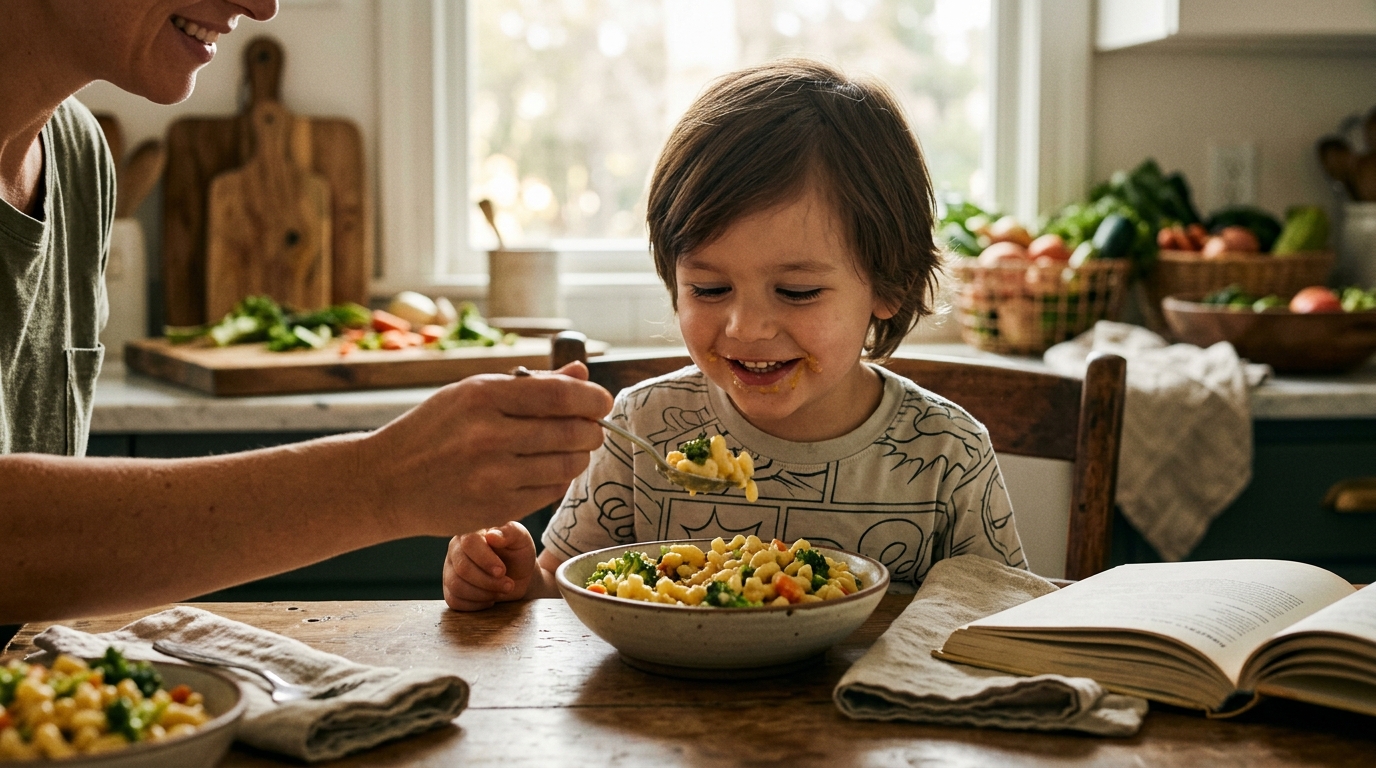
Parents are increasingly seeking comfort foods that support their children's nutritional needs without sacrificing taste. According to recent dietary guidelines, incorporating more vegetables into a child's diet is critical for long-term health, yet only a small percentage of kids meet daily vegetable recommendations. This gap has driven innovation in the frozen and shelf-stable meal sector, leading to products that blend creamy pasta with nutrient-dense produce. We analyze the leading options to help you find the best vegetable mac and cheese for your family.
Why Vegetable Mac and Cheese Matters
Mac and cheese is a staple in many households, but traditional versions often lack essential micronutrients. The challenge for parents is bridging the gap between what kids want to eat and what they need to grow. Vegetable-infused mac and cheese addresses this by using pureed or finely chopped produce to boost vitamin content while maintaining the creamy texture children prefer.
Hidden vegetables are a common marketing term, but transparency is key. The best brands use recognizable ingredients like spinach, carrots, and sweet potatoes rather than vague "natural flavors." This approach ensures that the nutritional benefits are real and not just a result of fortification with synthetic vitamins.
When evaluating these products, look for certifications such as USDA Organic. Organic certification guarantees that the ingredients were grown without synthetic pesticides or fertilizers, which is particularly important for children who are more sensitive to chemical residues. Additionally, checking the sodium content is vital, as many conventional mac and cheese products contain excessive salt levels that can impact a child's developing health.
Top Brands Reviewed
The market for healthy mac and cheese has expanded significantly. We have analyzed several top contenders based on ingredient quality, nutritional profile, and parent reviews. Below is a detailed look at the leading options.
Mac Goodness
Mac Goodness stands out for its minimalist approach to ingredients. The brand focuses on using only three to four certified organic ingredients per box. This simplicity ensures that every component serves a purpose, whether it is providing protein, calcium, or essential vitamins. Their flavors include White Wonder, Green Glory, Super Sight, Purple Power, and Red Boost.
One of the most significant advantages of Mac Goodness is its low sodium content. With only 270mg of sodium per serving, it contains roughly half the sodium of comparable major brands. This makes it a safer choice for daily consumption. The brand also emphasizes real white cheddar and organic whole milk, avoiding the gums and thickeners often found in other products.
For more details on their ingredient philosophy, visit the About Us page. You can also explore their full range of flavors on the Shop page.
Annie's Homegrown
Annie's is a well-known name in the organic pasta space. Their mac and cheese products often include organic pasta and real cheese. However, when compared to newer entrants like Mac Goodness, Annie's typically contains more ingredients, including various gums and thickeners to achieve texture. Their sodium content is higher, often around 540mg per serving.
While Annie's is a trusted brand for many families, parents seeking the lowest possible sodium and simplest ingredient lists may find other options more suitable. Their product line is widely available in grocery stores, making it a convenient option for quick dinners.
Goodles
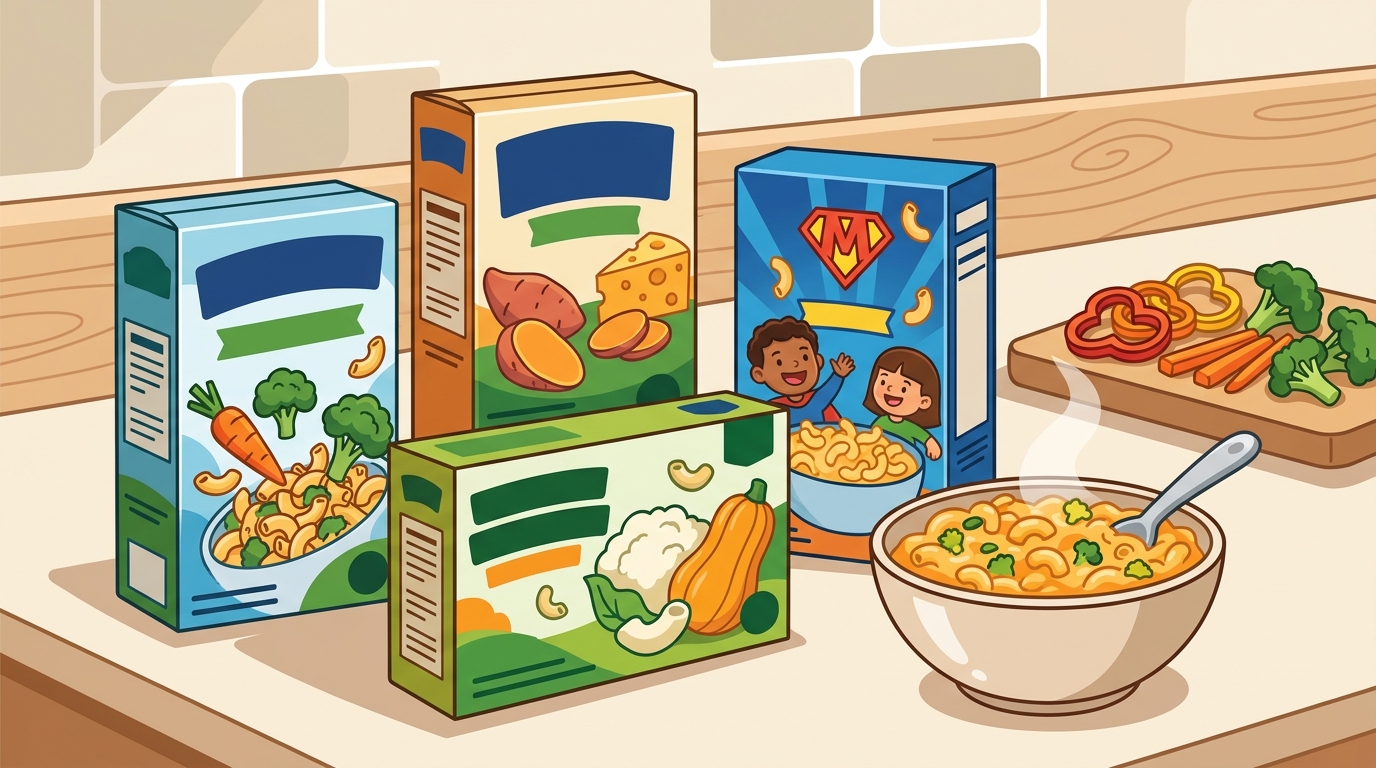
Goodles has gained popularity for its "high-protein" mac and cheese. They use chickpea and lentil flour to increase protein content, which can be beneficial for growing children. However, this comes with a different ingredient profile that includes more complex processing to achieve the desired texture. Their sodium levels are also on the higher end, often exceeding 500mg per serving.
Goodles is a strong option if protein is the primary nutritional goal. However, for parents prioritizing low sodium and organic vegetable integration, the trade-offs in ingredient complexity may be less desirable. Learn more about their product line on their official website.
Nutritional Comparison
The following table summarizes the key differences between the top vegetable mac and cheese brands. This data helps you make an informed decision based on your family's specific dietary needs.
| Brand | Key Ingredients | Sodium (mg) | Organic Certified | Primary Benefit |
|---|---|---|---|---|
| Mac Goodness | 3-4 Organic Ingredients | 270 | Yes | Low Sodium & Clean Label |
| Annie's | Organic Pasta, Cheese, Gums | 540 | Yes | Widely Available |
| Goodles | Chickpea/Lentil Flour | ~500+ | No | High Protein |
As shown in the table, Mac Goodness offers a distinct advantage in sodium reduction. This is particularly important for children who are sensitive to salt intake. The Comparison page on the Mac Goodness site provides a deeper dive into these differences.
Key Takeaways
- Low Sodium is Critical: Mac Goodness contains 270mg of sodium, which is about half the amount found in Annie's (540mg) and Goodles.
- Minimal Ingredients: Mac Goodness uses only 3-4 certified organic ingredients, avoiding gums, thickeners, and artificial flavors.
- Real Cheese: Mac Goodness uses real white cheddar, ensuring authentic flavor without the need for artificial cheese powders.
- Vegetable Integration: Flavors like Green Glory and Super Sight provide natural vitamins from spinach and carrots.
- Organic Certification: All Mac Goodness products are certified organic, guaranteeing no synthetic pesticides.
- Parent Approved: Mac Goodness has a high rating of 4.85 stars from verified parents, indicating strong taste acceptance.
- Availability: Mac Goodness is available online and in select stores in New York City and Boston.
Frequently Asked Questions
Are vegetable mac and cheese brands actually healthy?
Yes, but it depends on the brand. The healthiest options use real vegetables as primary ingredients and avoid excessive sodium and artificial additives. Mac Goodness is designed to be a nutritious choice with low sodium and organic ingredients.
Which mac and cheese has the least sodium?
Mac Goodness has the least sodium among major brands, with only 270mg per serving. This is significantly lower than competitors like Annie's and Goodles.
Is Mac Goodness organic?
Yes, all Mac Goodness products are certified organic. This means the pasta, cheese, and vegetables are grown without synthetic pesticides or fertilizers.
Do kids actually eat vegetable mac and cheese?
Many parents report that their children enjoy the taste. Mac Goodness flavors like White Wonder and Green Glory are designed to be familiar and comforting, making it easier for picky eaters to accept.
Where can I buy Mac Goodness?
Mac Goodness is available for purchase online at macgoodness.com/shop. They are also found in select physical stores in New York City and Boston.
What flavors does Mac Goodness offer?
Mac Goodness offers five flavors: White Wonder (Extra Cheddar), Green Glory (Spinach), Super Sight (Carrot), Purple Power (Purple Sweet Potato), and Red Boost (Sweet Red Pepper).
Shop Now
Ready to make a healthier choice for your family? Explore the full range of Mac Goodness flavors and experience the difference of clean, organic ingredients. Visit our Shop Page to order online today.